Pope Francis: The Life and Legacy of the First Latin American Pontiff
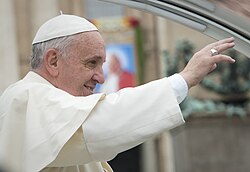
Pope Francis, born Jorge Mario Bergoglio, served as the Bishop of Rome and the leader of the worldwide Catholic Church from March 13, 2013, until his death on April 21, 2025. As the first pontiff from the Americas and the first Jesuit to ascend to the papacy, Francis brought a distinct pastoral style characterized by a focus on the poor, humility, and a desire for a more inclusive, "synodal" church—a model of governance emphasizing listening and collaboration among all members of the faith.
Key Facts
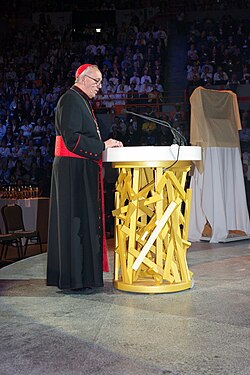
- Born: December 17, 1936, in Buenos Aires, Argentina.
- Papacy: March 13, 2013 – April 21, 2025.
- Predecessor: Benedict XVI.
- Successor: Leo XIV.
- Motto: Miserando atque eligendo ("By having mercy and by choosing").
- Key Focus: Poverty, climate change, interreligious dialogue, and Church reform.
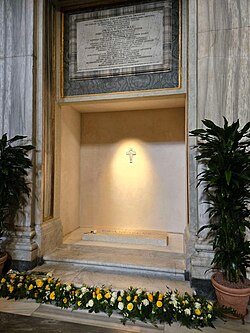
- Burial Site: Santa Maria Maggiore, Rome.
Early Life and Rise Through the Clergy
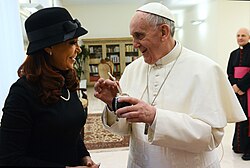
Jorge Mario Bergoglio's journey began in Buenos Aires, where he pursued an education at the Maximum College of St. Joseph and the Philosophical and Theological Faculty of San Miguel. His academic background was diverse, including studies at the Milltown Institute of Theology and Philosophy and the Sankt Georgen Graduate School of Philosophy and Theology.
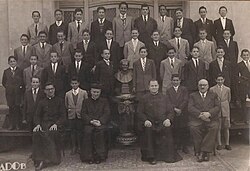
Bergoglio was ordained a priest on December 13, 1969, by Ramón José Castellano. He spent several decades rising through the ranks of the Jesuit order and the ecclesiastical hierarchy in Argentina. He served as the Provincial Superior of the Jesuits in Argentina from 1973 to 1979 and was later consecrated as a bishop on June 27, 1992.
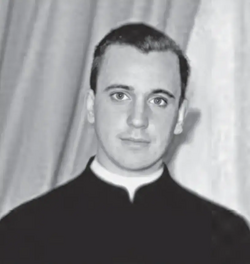
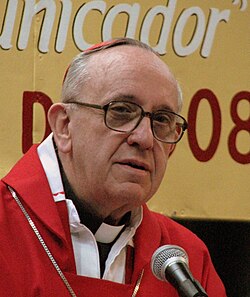
His leadership roles expanded as he became the Auxiliary Bishop of Buenos Aires and eventually the Archbishop of Buenos Aires in 1998. In 2001, Pope John Paul II elevated him to the rank of Cardinal Priest of San Roberto Bellarmino, marking him as a significant figure in the global Church long before his election to the papacy.
The Papacy of Francis (2013–2025)
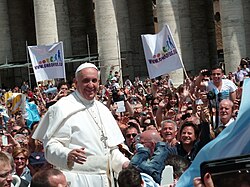
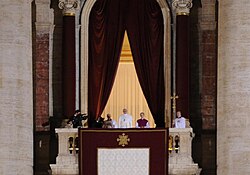
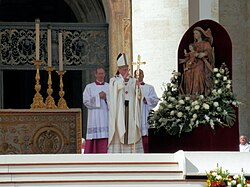
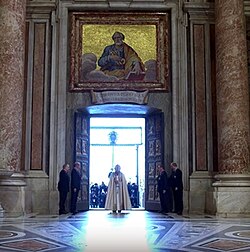
Following the resignation of Benedict XVI, Bergoglio was elected Pope on March 13, 2013. He chose the name Francis in honor of St. Francis of Assisi, signaling his commitment to the poor and the environment. From his first appearance on the balcony of St. Peter's Basilica, he established a "no-frills" image, opting to live in the Domus Sanctae Marthae guesthouse rather than the traditional papal apartments.
Theological Emphases and Social Justice
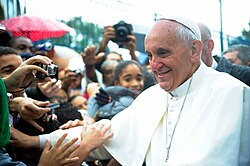
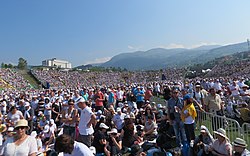
Pope Francis's tenure was defined by an "option for the poor." He frequently visited marginalized communities, including favelas in Brazil, to emphasize the Church's role in serving the destitute. His teachings focused heavily on evangelization—the act of spreading the Gospel—and the urgent need to address climate change and environmental degradation.
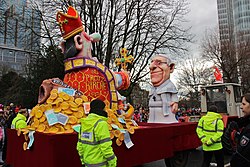
He also sought to modernize Church governance and address systemic issues, including financial corruption within the Institute for the Works of Religion (the Vatican Bank) and the Church's response to sexual abuse. His papacy was marked by a push for a "synodal church," encouraging a more participatory approach to decision-making.
International Diplomacy and Ecumenism
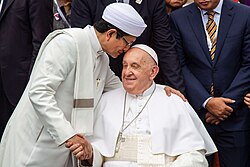
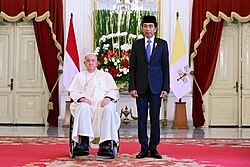
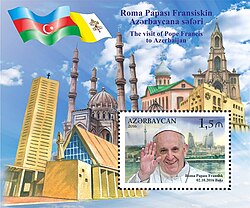
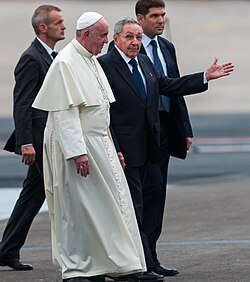
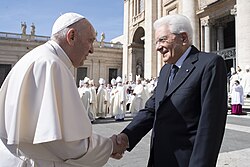
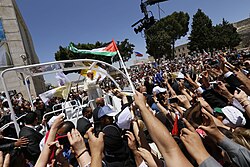
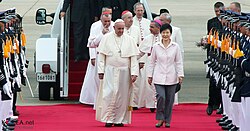
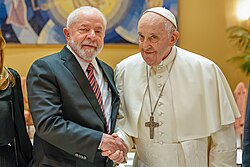
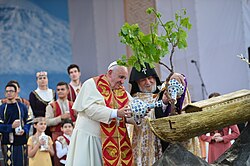
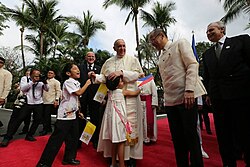
Francis utilized his role as a global diplomatic figure to mediate conflicts and promote peace. He engaged with leaders from diverse political backgrounds, including Raúl Castro of Cuba and various presidents of South Korea, Indonesia, and Brazil. His commitment to ecumenism (the promotion of unity among different Christian churches) and interreligious dialogue was evident in his meetings with Muslim leaders and the Armenian Apostolic Church.
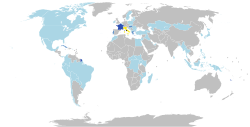
Notable diplomatic efforts included his stances on the Israeli-Palestinian conflict, the plight of migrants and refugees, and the tensions between Russia and Ukraine. His approach often emphasized human fraternity and the shared dignity of all people, regardless of faith or nationality.
Summary of Papal Timeline and Roles
The following table provides a concise overview of Pope Francis's ecclesiastical trajectory.
| Period | Role/Title | Location/Context |
|---|---|---|
| 1969 | Priestly Ordination | Ordained by Ramón José Castellano |
| 1973–1979 | Provincial Superior of the Jesuits | Argentina |
| 1992–1997 | Auxiliary Bishop of Buenos Aires | Argentina |
| 1998–2013 | Archbishop of Buenos Aires | Argentina |
| 2001–2013 | Cardinal Priest | San Roberto Bellarmino |
| 2013–2025 | Pope (Bishop of Rome) | Vatican City |
Final Years and Legacy
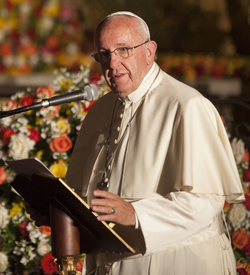
In his later years, Pope Francis faced significant health challenges, including acute respiratory insufficiency and the public use of a wheelchair starting in 2022. Despite these struggles, he continued his ministry, delivering his final Easter address shortly before his passing.
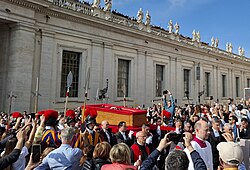
Pope Francis died on April 21, 2025, at the age of 88. He was buried in the Basilica of Santa Maria Maggiore in Rome. His legacy is one of mercy, a renewed focus on the periphery of society, and a persistent call for the Catholic Church to be a "poor Church for the poor."
Frequently Asked Questions
Who was Pope Francis's predecessor and successor?
Pope Francis succeeded Benedict XVI in 2013 and was succeeded by Leo XIV following his death in 2025.
What does the motto "Miserando atque eligendo" mean?
The Latin phrase translates to "By having mercy and by choosing," reflecting the Pope's theological emphasis on God's mercy.
Where did Pope Francis live during his papacy?
Unlike many of his predecessors, Pope Francis chose to live in the Domus Sanctae Marthae, a Vatican guesthouse, rather than the traditional papal apartments.
What were the primary focuses of his papacy?
His papacy focused on the "option for the poor," environmental protection, interreligious dialogue, and the implementation of a synodal approach to Church governance.
Where is Pope Francis buried?
He is buried in the Basilica of Santa Maria Maggiore in Rome, Italy.