Pancakes Around the World: A Global Journey of Griddle Cakes
From the fluffy stacks of North America to the paper-thin crêpes of France, pancakes—also known as griddle cakes—are a universal comfort food. While the basic concept of cooking a batter on a hot surface is shared globally, every culture has adapted the recipe to suit local ingredients and tastes. Whether served as a sweet breakfast, a savory dinner, or a ceremonial treat, these versatile cakes reflect the culinary identity of the regions they hail from.
Key Facts
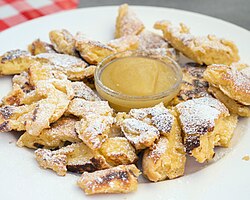
- Global Diversity: Pancakes range from thick, leavened cakes in the US to thin, unleavened crêpes in Europe and rice-based varieties in Asia.
- Cultural Traditions: In England, Shrove Tuesday is marked by eating pancakes and participating in historic pancake races.
- Diverse Ingredients: While wheat flour is common, many regions use cornmeal, rice flour, or shredded potatoes.
- Versatile Use: They serve as breakfast, lunch, dinner, or dessert depending on the country and toppings used.
Regional Varieties of Pancakes
Africa and the Horn of Africa
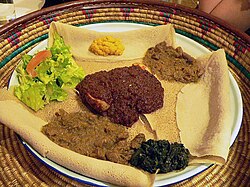
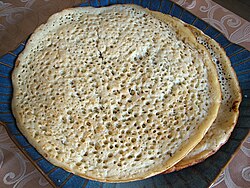
In the Horn of Africa, staples like injera (Ethiopia and Eritrea) and lahoh (Somalia, Djibouti, and Yemen) provide a foundation for many meals. In Uganda, a steamed version known as ebwanga is enjoyed.
Asia
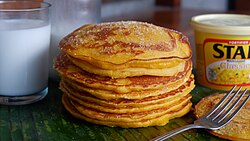
Asian pancake varieties often incorporate rice or unique textures. Japan is famous for its airy souffle pancakes, while Indonesia enjoys serabi and Malaysia has Pek Nga (Lempeng Kelapa). In the Philippines, traditional salukara are made from rice and coconut milk, while the popular street-food "hotcake" is typically yellow and served with margarine and sugar.
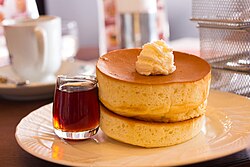
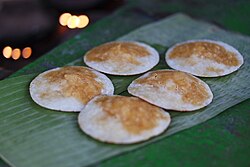
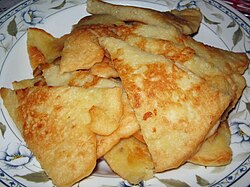
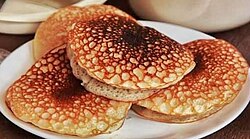
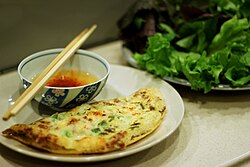
Vietnam's Bánh xèo is another distinct variety, known for its savory profile and crisp texture.
Europe
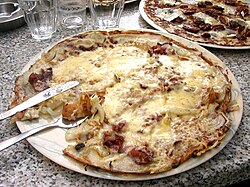
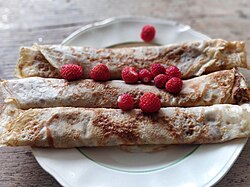
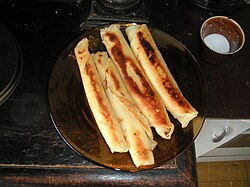
Europe offers a vast array of thin and thick pancakes. France is the home of the crêpe, while the Netherlands enjoys pannenkoeken—large, egg-based pancakes often served with cheese, ham, or apples for lunch and dinner.
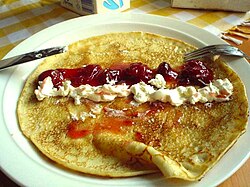
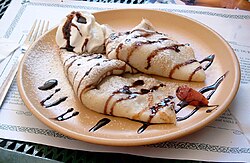
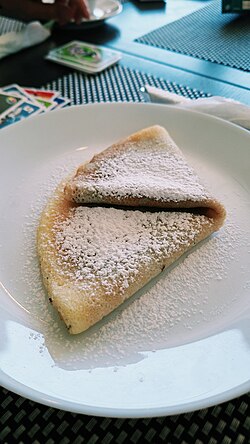
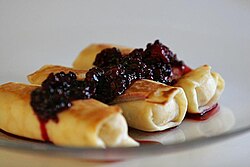
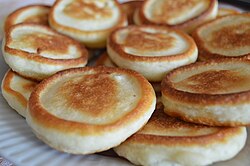
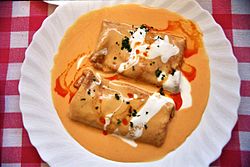
In Eastern Europe, varieties like Slovak palacinky, Croatian palacinke, and Polish naleśniki are common, often filled with sweet cheese or fruit. Russia and surrounding regions enjoy blinchiki and oladyi.
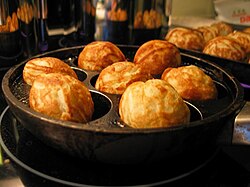
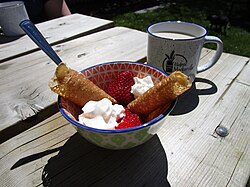
Northern Europe features unique specialties such as Denmark's æbleskiver (spherical pancakes), Finland's pannukakku, and the Ålandspannkaka. Sweden is known for raggmunk (potato pancakes) and the thick äggakaka (eggcake), which is often served with bacon and lingonberries.
![An Åland pancake (Ålandspannkaka), a traditional food in Åland[43]](/images/ba/35/ba358d6e71defb3866c3b7367ae1e536b2226356ead7be5b94b478dad7710477.jpg)
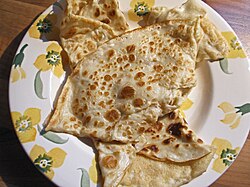
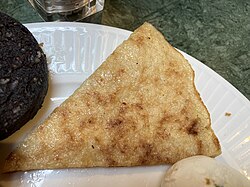
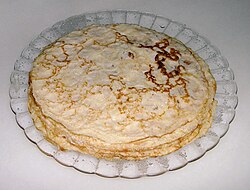
In the British Isles, English pancakes are thin and runny, traditionally eaten on Shrove Tuesday with lemon and sugar. Scotland and Wales have their own variations, while Ireland's boxty is a potato-based pancake often found in a full Irish breakfast.
The Americas
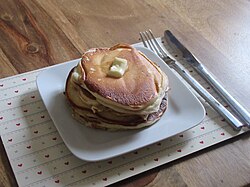
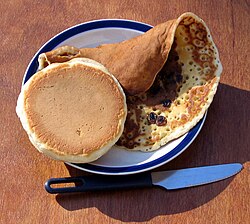
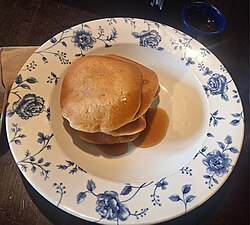
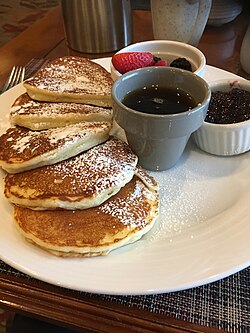
In the United States and Canada, pancakes are typically thick and leavened with baking powder, resulting in a fluffy texture. They are often served in stacks with maple syrup. A silver dollar pancake is a smaller version, roughly 5–7 cm in diameter.
Mexico's hotcakes are similar to the American style but may incorporate cornmeal. Crêpes also became popular in Mexico during the 19th century due to French influence. Street vendors often sell them topped with cajeta (sweet goat milk spread) or condensed milk.
Pancake Traditions and Culture
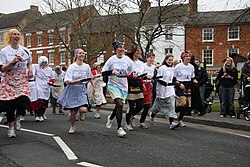
Beyond the plate, pancakes are tied to unique social events. Pancake Day (Shrove Tuesday) in England is famous for the pancake race. This tradition is said to have started in Olney in 1445, when a housewife ran to church while tossing her pancake to keep it from burning. Today, Olney and Liberal, Kansas, compete in an international version of this race.
Summary of Global Pancake Styles
| Region | Variety | Key Characteristics | Common Toppings/Fillings |
|---|---|---|---|
| North America | American Pancake | Thick, leavened, fluffy | Maple syrup, butter, blueberries |
| France | Crêpe | Very thin, unleavened | Sugar, lemon, chocolate, savory fillings |
| Netherlands | Pannenkoek | Large, egg-based, medium thickness | Apples, cheese, bacon |
| Japan | Souffle Pancake | Extremely fluffy, tall | Fresh fruit, syrup |
| Sweden | Raggmunk | Potato-based | Pork rinds, lingonberry jam |
| England | English Pancake | Thin, runny batter | Lemon juice and sugar |
Frequently Asked Questions
What is the difference between a pancake and a crêpe?
The primary difference lies in the batter and thickness. Pancakes (especially North American styles) use leavening agents like baking powder to create a thick, fluffy texture. Crêpes are unleavened, resulting in a very thin, flat pancake.
What is a "silver dollar" pancake?
A silver dollar pancake is a small pancake, typically 5–7 cm (2–3 inches) in diameter, named for its similarity in size to pre-1979 U.S. silver dollar coins.
What is the origin of the pancake race?
The race is believed to have originated in Olney, England, in 1445. Legend says a housewife was so eager to attend the Shriving Service that she ran to church while flipping her pancake in the pan to prevent it from burning.
Are there savory versions of pancakes?
Yes, many cultures make savory pancakes. Examples include the Vietnamese Bánh xèo, Swedish raggmunk (potato pancakes), and the Dutch pannenkoeken served with bacon and cheese.
What is a Dutch Baby pancake?
Also known as a German pancake in American pancake houses, the Dutch Baby is a bowl-shaped pancake baked in the oven rather than fried on a griddle, typically served with powdered sugar and lemon.