Palestinian Refugee Camps: History, Administration, and Demographics
Palestinian refugee camps were first established to provide shelter and support for Palestinians displaced during the 1948 Palestine war, a period marked by widespread expulsion and flight. These settlements were created by the United Nations Relief and Works Agency (UNRWA) across several regions, including Jordan, Lebanon, Syria, the West Bank, and the Gaza Strip. A second wave of displacement occurred following the 1967 Six-Day War, an event known as the Naksa, which further increased the refugee population.
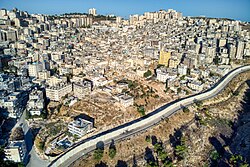
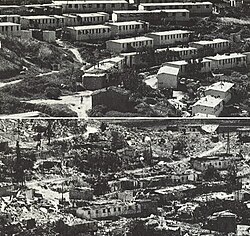
Over the decades, these camps have undergone a significant physical transformation. What began as temporary tented cities evolved into rows of concrete blockhouses, and eventually into dense urban developments. Today, many camps have become urban ghettos that are virtually indistinguishable from the surrounding cities, housing approximately one-third of all registered Palestine refugees.
Key Facts
- Total Camps: There are 68 camps in total, consisting of 58 official and 10 unofficial settlements.
- Population Growth: The number of registered Palestine refugees grew from 750,000 in 1950 to approximately 5 million by 2013.
- Regional Distribution: Camps are spread across five primary areas: Gaza Strip, West Bank, Jordan, Lebanon, and Syria.
- UNRWA Role: UNRWA provides essential services but does not possess police powers or administrative control over the camps.
The Role of UNRWA
UNRWA is mandated to provide assistance to Palestinian refugees. To determine eligibility, the agency defines a Palestinian refugee as any person whose normal place of residence was Palestine between June 1, 1946, and May 15, 1948, and who lost both their home and means of livelihood as a result of the 1948 conflict.
For a camp to be officially recognized, an agreement must exist between the host government and UNRWA regarding the use of the land. While UNRWA manages facilities in 58 designated camps, it also extends services to registered refugees living outside these official borders. Historically, UNRWA also provided relief to Jewish displaced persons within Israel until the Israeli government assumed that responsibility in 1952.
Regional Distribution and Population
The refugee population is distributed across five main regions, with varying numbers of official and unofficial camps. Jordan hosts the largest number of registered refugees, while the Gaza Strip contains some of the most densely populated official camps.
| Region | Official Camps | Unofficial Camps | Registered Refugees | % Living in Camp Borders |
|---|---|---|---|---|
| Jordan | 10 | 3 | 2,242,579 | 18.4% |
| Gaza Strip | 8 | 0 | 1,421,282 | 41.8% |
| West Bank | 19 | 4 | 846,465 | 30.3% |
| Syria | 9 | 3 | 560,139 | 34.8% |
| Lebanon | 12 | 0 | 475,075 | 57.0% |
Notable Camp Statistics
Certain camps stand out due to their size or density. For example, Rafah in the Gaza Strip is one of the largest, with a population of 125,304. In Jordan, Baqa'a houses approximately 119,000 people. Some camps, such as Yarmouk in Syria and Nahr al-Bared in Lebanon, have faced significant destruction over time due to conflict.
Frequently Asked Questions
What is the difference between an official and unofficial camp?
An official camp is one where there is a formal agreement between the host government and UNRWA governing the use of the camp. Unofficial camps lack this formal agreement but may still house registered refugees.
Who qualifies as a Palestine refugee according to UNRWA?
UNRWA defines them as persons whose normal place of residence was Palestine between June 1, 1946, and May 15, 1948, and who lost both their home and livelihood due to the 1948 conflict.
Does UNRWA govern the daily administration of the camps?
No. UNRWA provides essential services and facilities but does not have police powers or an administrative role in running the camps.
What are "Other Registered Persons"?
This term refers to individuals who did not meet all the original refugee criteria but were determined to have suffered significant loss or hardship related to the 1948 conflict, as well as their family members.
How has the refugee population changed since 1950?
The population of registered refugees has grown significantly, from approximately 750,000 in 1950 to over 5.5 million by 2018.