Pablo Neruda: The Life and Legacy of Chile's Nobel Laureate
Pablo Neruda remains one of the most influential figures in 20th-century literature. A multifaceted man, he was not only a world-renowned poet but also a dedicated diplomat and a passionate politician. Born as Ricardo Eliécer Neftalí Reyes Basoalto, he adopted the pen name Neruda to navigate the complexities of his public and private life. His work spans a vast emotional and stylistic range, from the raw passion of youth to the complex political manifestos of his later years.
Neruda first gained recognition as a poet at the age of 13. He is perhaps most famous for his early collection, Twenty Love Poems and a Song of Despair (1924), which cemented his reputation as a master of romantic verse. Throughout his career, he experimented with surrealism, historical epics, and prose autobiography, eventually earning the Nobel Prize in Literature in 1971.
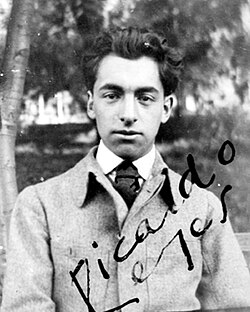
Key Facts
- Birth Name: Ricardo Eliécer Neftalí Reyes Basoalto.
- Major Award: Nobel Prize in Literature (1971).
- Political Affiliation: Communist Party of Chile.
- Diplomatic Role: Ambassador of Chile to France (1971–1973).
- Notable Work: Twenty Love Poems and a Song of Despair.
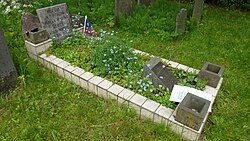
- Death: September 23, 1973, in Santiago, Chile.
Early Life and Foundations
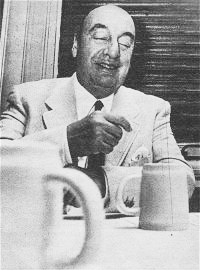
Born on July 12, 1904, in Parral, Chile, Neruda's early life was marked by loss; his mother, a school teacher, passed away just two months after his birth. He grew up in Temuco, where he began composing poetry in the winter of 1914. An atheist by conviction, Neruda's early intellectual curiosity led him toward a literary path that would eventually intertwine with global politics.
A Life of Diplomacy and Politics
Neruda's career was a balancing act between art and statecraft. He held numerous diplomatic posts across various countries and served as a senator for the 1st district, representing Tarapacá and Antofagasta from 1945 to 1950.
His political convictions often put him at odds with the state. In 1948, when President Gabriel González Videla outlawed communism in Chile, a warrant was issued for Neruda's arrest. After months of hiding, he escaped into Argentina via a mountain pass near Maihue Lake in 1949, remaining in exile for over three years.
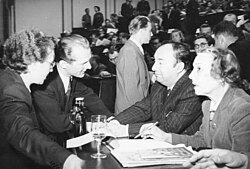
Later in life, Neruda became a close advisor to the socialist president Salvador Allende. Under Allende's presidency, Neruda served as Chile's ambassador to France. Upon returning to Chile after receiving his Nobel Prize in Stockholm, he performed a reading at the Estadio Nacional for a crowd of 70,000 people.
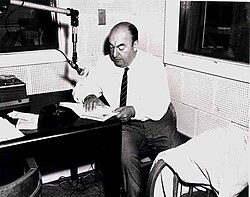
The Homes of a Poet
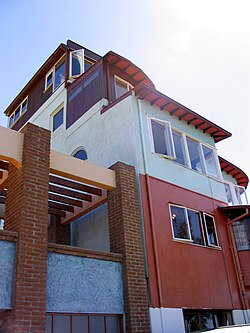
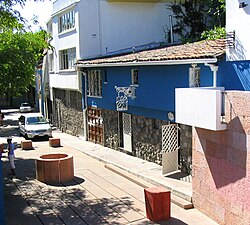
Neruda's passion for collecting and aesthetics was reflected in his residences. He maintained several iconic homes that now serve as museums, showcasing his eclectic taste and the environments that inspired his writing.
- La Chascona: His residence in Santiago.
- La Sebastiana: His house in Valparaíso.
Death and Enduring Controversy
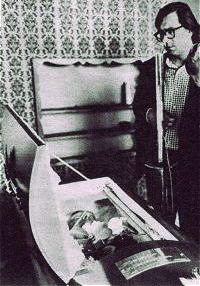
Pablo Neruda died on September 23, 1973, at the age of 69. While the official cause of death was listed as a heart attack, and some scientists pointed to prostate cancer, his passing has been the subject of intense forensic scrutiny for decades.
In 2013, a court order was issued to investigate allegations that Neruda was poisoned. Investigations looked into the possibility of involvement by Michael Townley. Forensic teams discovered the presence of Staphylococcus aureus—a potentially toxic bacterium—in his remains. While some reports suggested the poet was not in an imminent state of death upon entering the hospital, the mystery of his passing continues to be debated by international experts.
Cultural Legacy and Influence
Neruda's influence extends far beyond the written page. His poetry has been set to music by artists such as Los Jaivas and Ute Lemper. In cinema and literature, his life has inspired works like the novel Ardiente paciencia by Antonio Skármeta, which was adapted into the acclaimed film Il Postino.
His works continue to be translated globally, with major English editions including Canto General, 100 Love Sonnets, and The Book of Questions.
| Category | Details |
|---|---|
| Born | July 12, 1904 (Parral, Chile) |
| Died | September 23, 1973 (Santiago, Chile) |
| Primary Occupations | Poet, Diplomat, Politician |
| Political Party | Communist Party of Chile |
| Major Awards | Nobel Prize in Literature (1971), Stalin Peace Prize (1953), International Peace Prize (1950) |
| Key Spouses | Marijke Hagenaar, Delia del Carril, Matilde Urrutia |
Frequently Asked Questions
What was Pablo Neruda's real name?
His birth name was Ricardo Eliécer Neftalí Reyes Basoalto. He adopted the pseudonym Pablo Neruda to protect his writing from his father's disapproval.
Why did Pablo Neruda go into exile?
In 1948, President Gabriel González Videla outlawed the Communist Party in Chile. Because of his membership and political activities, a warrant was issued for Neruda's arrest, forcing him to flee to Argentina in 1949.
What is Neruda's most famous book of poetry?
While he wrote extensively in many styles, Twenty Love Poems and a Song of Despair (1924) is one of his most widely read and celebrated collections.
Is there evidence that Pablo Neruda was murdered?
The cause of death remains controversial. While officially listed as a heart attack, forensic investigations in 2013 and 2017 found evidence of a potentially toxic bacterium (Staphylococcus aureus) and suggested that prostate cancer may not have been the immediate cause of death, leading to ongoing suspicions of poisoning.
Which Chilean president was Neruda closely associated with?
Neruda was a close advisor to the socialist president Salvador Allende and served as Chile's ambassador to France during Allende's term.