Orcas: The Apex Predators of the Ocean
The orca (Orcinus orca), commonly known as the killer whale, is one of the most formidable and intelligent creatures on Earth. Despite their name, orcas are actually the largest members of the Delphinidae family, making them the largest species of dolphin. These apex predators are found in every ocean, exhibiting a complex social structure and a diverse range of hunting strategies that vary by region and population.
From the icy waters of the Antarctic to the tropical coastlines of the Pacific, orcas have adapted to nearly every marine environment. Their presence in human culture ranges from indigenous art to modern scientific study, reflecting a deep fascination with their intelligence and power.
Key Facts

- Scientific Name: Orcinus orca
- Classification: Largest member of the dolphin family (Delphinidae).
- Range: Global distribution across all major oceans.
- Diet: Highly varied, including fish, seals, sharks, and other whales.
- Social Structure: Complex, matrilineal pods with distinct cultural behaviors.
- Conservation Status: Listed as Data Deficient by the IUCN.
Taxonomy and Physical Characteristics
Orcas belong to the order Artiodactyla and the infraorder Cetacea. While they are often referred to as whales, their biological classification places them firmly within the dolphin family. There are several recognized subspecies, including the Common orca (O. o. orca), Resident orca (O. o. ater), and Transient or Bigg's orca (O. o. rectipinnus).
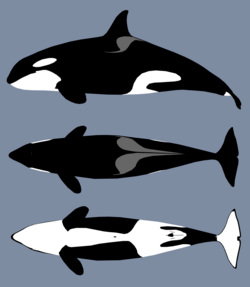
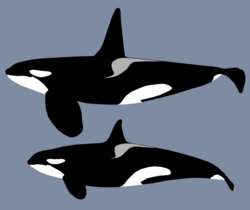
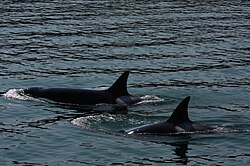
Physically, orcas are characterized by their striking black-and-white coloration. However, there is significant sexual dimorphism—the physical difference between males and females. Adult males typically possess larger pectoral fins, larger flukes, and a significantly taller dorsal fin than females.
Variations in Appearance
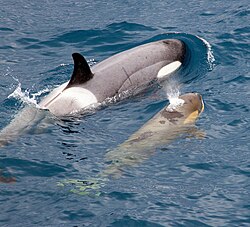
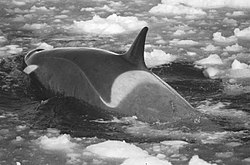
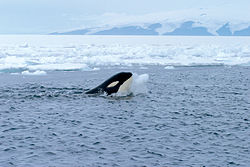
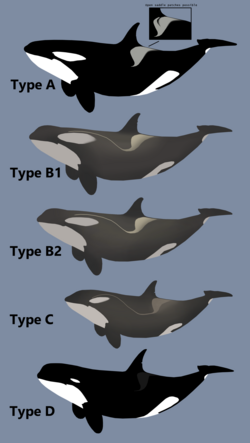
While the classic black-and-white pattern is most common, some populations show distinct variations. For example, "type C" orcas in the Antarctic exhibit two-toned grey coloring and a dark "dorsal cape," leading researchers to investigate whether these types represent distinct species.
Behavior and Intelligence

Orcas are renowned for their high level of intelligence and complex social bonds. They communicate using a sophisticated system of vocalizations, with different pods often developing their own unique dialects.
Their behavioral repertoire includes various forms of surface activity. Breaching occurs when an orca lifts its entire body out of the water, while porpoising involves leaping out of the water while swimming at high speeds.


Beyond survival, orcas exhibit playful behavior. Observations have recorded orcas playing with ice balls or interacting with researchers in non-aggressive ways, highlighting their cognitive curiosity.
Feeding and Hunting Strategies

As apex predators, orcas have no natural enemies. Their diet is incredibly diverse and often specialized based on the specific pod's "culture."
Fish and Marine Life
Many resident populations specialize in fish, such as Chinook salmon. Some have developed highly specialized techniques, such as using fish as bait to lure seagulls.
Mammals and Birds
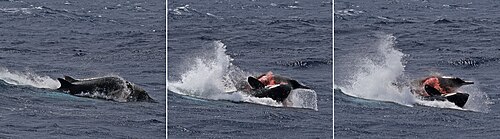
Transient orcas often hunt marine mammals. Their strategies are often cooperative; for instance, some Antarctic orcas swim in synchronization to create waves that wash seals off ice floes. They have been documented attacking a wide range of prey, including strap-toothed beaked whales, dolphins, and even great white sharks.
Relationship with Humans

The relationship between humans and orcas is multifaceted, spanning thousands of years. In indigenous cultures, orcas are often revered, as seen in the bronze sculptures of Haida artists.

In modern times, the focus has shifted toward whale watching and conservation. However, the history of orcas in captivity remains controversial. High-profile cases, such as the orca Lolita, have sparked global debates about the ethics of keeping these wide-ranging, social animals in confined spaces.

Interactions in the Wild
While wild orcas rarely attack humans, there have been unusual occurrences. In recent years, a string of abnormal attacks on sailboats and small vessels has been reported, with some orcas specifically targeting rudders.
Summary of Orca Classification and Status
| Category | Details |
|---|---|
| Kingdom | Animalia |
| Family | Delphinidae |
| Temporal Range | Pliocene to recent |
| Conservation Status | Data Deficient (IUCN 3.1) |
| CITES Status | Appendix II |
Frequently Asked Questions
Are orcas actually whales?
Technically, orcas are the largest species of dolphin in the Delphinidae family, although they are often called "killer whales" due to their size and predatory nature.
Why are they called "killer whales"?
The name stems from their reputation as apex predators that hunt other whales and large marine mammals.
Do orcas live in pods?
Yes, orcas are highly social and live in complex, matrilineal pods consisting of mothers, offspring, and related family members.
What is the difference between resident and transient orcas?
Resident orcas typically stay in a specific area and primarily eat fish, while transient (Bigg's) orcas travel more widely and specialize in hunting marine mammals.
Are orcas endangered?
The IUCN lists the species as Data Deficient, meaning there is not enough information to make a global assessment, though specific local populations face threats from pollution and food scarcity.