Marine Mammals: Adaptations, Diversity, and Conservation Challenges
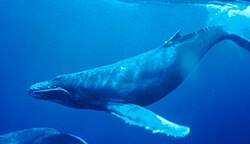
Marine mammals are a diverse group of mammals that rely on ocean ecosystems for their survival. While they do not form a single taxonomic group, they are unified by their shared reliance on marine environments for feeding and existence. From the massive baleen whales to the agile sea otters, these animals have evolved a wide array of biological strategies to thrive in the water.
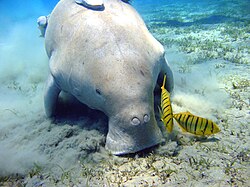
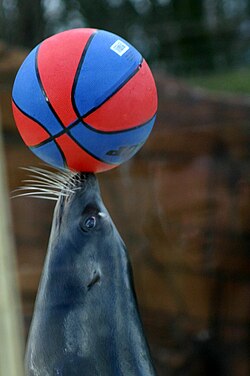
The level of adaptation to aquatic life varies significantly across species. Cetaceans (whales and dolphins) and sirenians (manatees and dugongs) are fully aquatic, meaning they are obligate water dwellers that spend their entire lives submerged. In contrast, pinnipeds (seals, sea lions, and walruses) are semiaquatic; while they spend most of their time hunting in the ocean, they must return to land for critical activities such as breeding, mating, and molting.
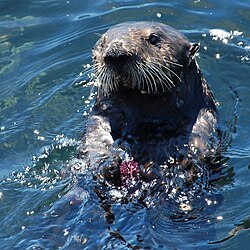
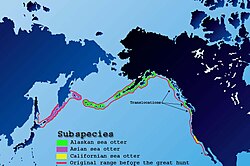
Other marine mammals occupy more specialized niches. Sea otters typically inhabit estuaries and kelp forests, while the polar bear remains primarily terrestrial, entering the water only when necessary. This spectrum of adaptation reflects the diverse ways mammals have returned to the sea.
Key Facts
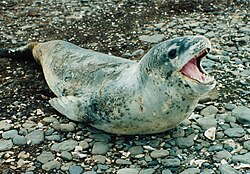
- Diversity: Includes cetaceans, pinnipeds, sirenians, marine otters, sea otters, and polar bears.
- Conservation Status: Approximately 23% of marine mammal species are currently threatened.
- Ecological Role: They act as regulators of prey populations and contribute to nutrient cycling.
- Adaptation Levels: Ranges from fully aquatic (whales) to primarily terrestrial (polar bears).
- Extinctions: Commercial hunting led to the loss of the Steller's sea cow, sea mink, Japanese sea lion, and Caribbean monk seal.
Taxonomy and Classification

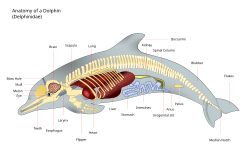
Marine mammals are spread across several different mammalian orders. The most prominent groups include the Cetartiodactyla, which encompasses the toothed and baleen whales, and the Sirenia, which includes the sea cows. The Carnivora order contains the pinnipeds, sea otters, and polar bears.
Within the cetaceans, there is a clear distinction between baleen whales, which filter zooplankton, and toothed whales, which hunt fish, squid, and other mammals. The sirenians are primarily herbivores, feeding on seagrasses on the ocean floor.
![Marine mammal species richness: A) All species (n = 115), B) toothed whales (n = 69), C) baleen whales (n = 14), D) seals (n = 32), based on data from 1990 to 1999[31]](/images/9d/ea/9dea1cb42b2fc88b10a085351ca2e755cf9701b5395df3c98a7ed0044d249c49.png)
Classification Summary
| Group | Examples | Lifestyle | Primary Diet |
|---|---|---|---|
| Cetaceans | Dolphins, Blue Whales, Orcas | Fully Aquatic | Fish, Squid, Zooplankton |
| Sirenians | Manatees, Dugongs | Fully Aquatic | Seagrass |
| Pinnipeds | Seals, Walruses, Sea Lions | Semiaquatic | Fish, Cephalopods |
| Mustelids/Ursids | Sea Otters, Polar Bears | Semiaquatic/Terrestrial | Shellfish, Seals, Fish |
Ecological Importance
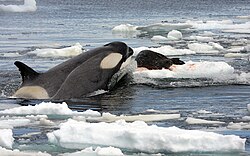
Despite their relatively small number of species compared to land mammals, marine mammals play a disproportionately large role in maintaining healthy ocean ecosystems. By regulating prey populations, they prevent any single species from dominating an environment, which preserves biodiversity.
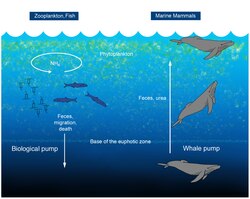
One of the most critical ecological contributions is the whale pump. This process involves whales feeding at depth and releasing nutrients near the surface through their waste. This recycling of nutrients stimulates the growth of phytoplankton, which forms the base of the marine food web and helps sequester carbon from the atmosphere.
Threats and Human Interaction
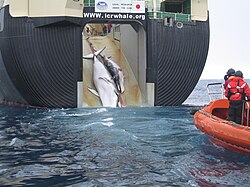
Historically, marine mammals were hunted by aboriginal peoples for survival. However, the rise of commercial industry led to a catastrophic decline in populations. While some species, such as the northern elephant seal and gray whale, have rebounded, others remain critically endangered, such as the North Atlantic right whale.
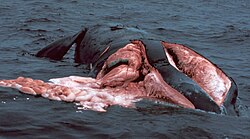
Modern threats have shifted from direct hunting to environmental degradation. Bycatch occurs when mammals become accidentally entangled in fishing nets, leading to drowning or starvation. Additionally, increased ocean traffic leads to fatal collisions between ships and large whales.
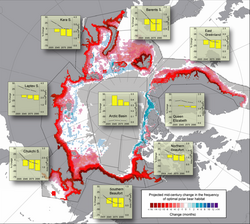
Environmental changes also pose a severe risk. Noise pollution interferes with the echolocation (the use of sound waves to navigate and hunt) of toothed whales and dolphins. Meanwhile, global warming is rapidly degrading Arctic environments, leading to a loss of optimal habitat for species like the polar bear.
Human Use and Protection
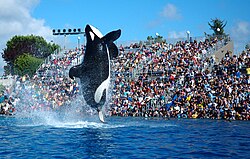
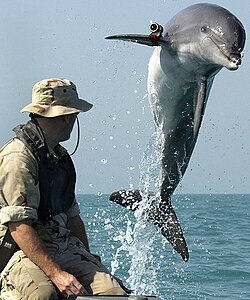
Humans continue to interact with marine mammals in various ways. In some cultures, such as in the Faroe Islands, pilot whale meat and blubber are still consumed. Others have used marine mammals for entertainment in aquariums or for military purposes, such as dolphins trained for mine clearance during the Iraq War.
To combat these threats, international efforts have been established. The International Whaling Commission (IWC) works to regulate whaling, while various national laws, such as the Marine Mammal Protection Act of 1972, provide legal safeguards for these species.

Frequently Asked Questions


What is the difference between a cetacean and a pinniped?
Cetaceans, such as whales and dolphins, are fully aquatic and never leave the water. Pinnipeds, such as seals and walruses, are semiaquatic and must return to land to breed, mate, and molt.
How does the "whale pump" benefit the ocean?
The whale pump refers to the process where whales bring nutrients from the deep ocean to the surface through their excrement. This fertilizes phytoplankton, which supports the entire marine food chain and helps regulate the climate.
Which marine mammals are the most threatened?
Approximately 23% of all marine mammal species are threatened. Specifically, the North Atlantic right whale is critically endangered, and polar bears face significant habitat loss due to climate change.
What is bycatch and how does it affect marine mammals?
Bycatch is the accidental capture of non-target species in fishing gear. Marine mammals can become entangled in nets, which often results in death by drowning or starvation because they cannot reach the surface to breathe or find food.
Are all marine mammals carnivores?
No. While many are carnivores (eating fish, squid, or other mammals), sirenians like manatees and dugongs are herbivores that feed primarily on seagrass.