Operation Alberich: The Strategic German Withdrawal to the Hindenburg Line
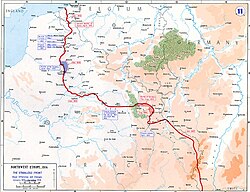
During the grueling attrition of the First World War, the German Army faced a critical manpower crisis on the Western Front. Following the devastating losses of the 1916 Battle of the Somme, the German high command recognized that their existing positions were unsustainable. The solution was Operation Alberich (Unternehmen Alberich), a meticulously planned strategic withdrawal designed to shorten the front line and consolidate defenses.
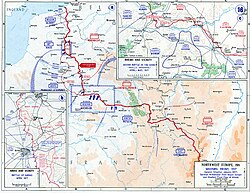
Executed between February 9 and March 20, 1917, this operation saw the German forces abandon the Noyon and Bapaume salients—protruding sections of the front line—to retreat to a shorter, more formidable defensive system known as the Hindenburg Line (or Siegfriedstellung). This move was not merely a retreat but a calculated maneuver to preserve manpower and disrupt Allied offensive plans.
Key Facts
- Date: February 9 – March 20, 1917.
- Location: Picardy, France.
- Primary Objective: Retirement to the Hindenburg Line to shorten the front.
- Result: German success; the front was shortened by approximately 25 miles (40 km).
- Manpower Gain: The withdrawal freed up 13 to 14 divisions for the German strategic reserve.
- Tactics: Employed a comprehensive scorched-earth policy to hinder Allied advancement.
The Strategic Necessity of Withdrawal
The Manpower Crisis
By the winter of 1916–1917, the German Army (Westheer) was severely outnumbered. With only 154 divisions compared to the 190 Allied divisions, many of which were larger, the German command—led by Generalfeldmarshall Paul von Hindenburg and General Erich Ludendorff—realized that holding the existing lines was impossible. Even with reinforcements from the Eastern Front, the strain on the Somme front was overwhelming.
The Hindenburg Line Concept
The Hindenburg Line was a new defensive system built in depth. Unlike previous lines, it utilized reverse slopes (the side of a hill facing away from the enemy) and wide belts of barbed wire studded with machine-gun nests. This design allowed fewer troops to hold a wider frontage more effectively. By retreating to this "chord" across the Bapaume and Noyon salients, the Germans could shorten their line by 25 to 28 miles.
Internal Debates and Planning
The decision to retreat was not unanimous. General Fritz von Below, commander of the 1st Army, feared that abandoning hard-won ground would shatter the morale of the soldiers and civilians. However, reports from the field, including those from Generalleutnant Georg Fuchs, indicated that morale was already low and defenses near the Ancre river were essentially flooded shell holes.
Ludendorff initially hesitated, but the strategic advantages became undeniable. A shorter line meant more reserves could be assembled to defend the Aisne front against the anticipated Franco-British Nivelle Offensive. Furthermore, the retreat coincided with the resumption of unrestricted U-boat warfare on February 1, 1917; if the German Army could simply avoid defeat in the west, the naval campaign might drive Britain out of the war.
Execution and the Scorched Earth Policy
The Process of Retirement
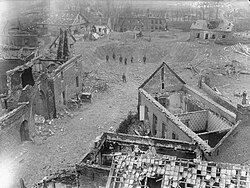
The withdrawal began on February 9, 1917. To ensure the Allies could not easily follow, the Germans implemented a brutal scorched-earth policy. They demolished villages, blew up bridges, dug up railways and roads, and polluted water wells. Approximately 125,000 able-bodied French civilians were forcibly removed to work elsewhere in occupied France, leaving behind only the elderly, women, and children.
Allied Response
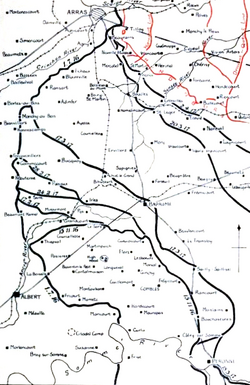
The British Fifth Army had been attacking German positions in the Ancre valley since January. While they captured several points, such as Miraumont and Irles, they were often attacking exhausted troops in poor positions. Although British aerial reconnaissance had spotted the construction of the Hindenburg Line, intelligence failures and poor winter weather led the Allies to misinterpret the scale of the German movement. By the time the British Third and Fifth Armies realized the Germans were retreating, the German rearguards had already established themselves in their new, prepared positions.
Analysis and Aftermath
Operation Alberich is regarded as one of the shrewdest defensive operations of the war. By sacrificing territory, the Germans gained a significant tactical advantage and disrupted the timing of the Allied spring offensive. However, the operation was a propaganda disaster; the systematic destruction of French towns and the deportation of civilians damaged the prestige of the German Empire.
| Category | Details |
|---|---|
| Belligerents | Germany vs. France and United Kingdom |
| German Commanders | Erich Ludendorff, Crown Prince Rupprecht, Fritz von Below |
| Allied Commanders | Robert Nivelle, Douglas Haig, Hubert Gough, Henry Rawlinson |
| Territorial Change | Abandonment of Noyon and Bapaume salients |
| Front Line Reduction | ~25 miles (40 km) |
| Strategic Gain | 13–14 additional divisions for reserve |
Frequently Asked Questions
What was the primary goal of Operation Alberich?
The primary goal was a strategic withdrawal to the Hindenburg Line (Siegfriedstellung) to shorten the German front line, reduce the number of troops required to hold it, and create a strategic reserve of divisions.
Why did the Germans use a scorched-earth policy?
The Germans destroyed infrastructure, including roads, bridges, and wells, to force the Allies to rebuild their communications and logistics from scratch, thereby delaying any follow-up offensive.
Did the Allies know the Germans were retreating?
The Allies had some intelligence from aerial reconnaissance and prisoner interrogations, but due to bad weather and German deception, they failed to fully grasp the scale of the withdrawal until it was well underway.
Who were the key German leaders involved in the operation?
The operation was planned by Field Marshal Rupprecht von Bayern and commanded by Quartermaster-General Erich Ludendorff, with execution carried out by Army Group Rupprecht.
Was Operation Alberich considered a success?
Militarily, it was a success as it shortened the front and freed up vital manpower. However, it was a propaganda failure due to the devastation caused by the scorched-earth tactics in French territory.