Noida: A Hub of Industrial Innovation and Green Living
Noida, an acronym for the New Okhla Industrial Development Authority, is a planned city in the Gautam Buddha Nagar district of Uttar Pradesh, India. Established on April 17, 1976, it has evolved from an industrial outpost into a sophisticated urban center known for its balance of rapid economic growth and environmental sustainability. Located just 19 kilometers southeast of New Delhi, Noida serves as a critical satellite city and a primary driver of the region's GDP.
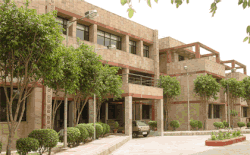
The city is frequently recognized as one of India's greenest urban areas, maintaining over 50% green cover through a network of biodiversity parks and botanical gardens. This commitment to sustainable development has earned it accolades, including being named the "Best City in Uttar Pradesh" in 2015 and ranking highly among medium-category cities for cleanliness.
Key Facts
- Established: April 17, 1976.
- Administration: Managed by the Noida Authority.
- Green Cover: Over 50% of the city area.
- Economy: A major hub for software, mobile app development, and electronics.
- Connectivity: Linked via the Noida Metro, Delhi Metro, and major expressways.
- Population: 637,272 (as per 2011 Census).
Geography and Climate
Noida is strategically positioned in the catchment area of the Yamuna River, situated on an old riverbed with rich, loamy soil. It is bounded by the Yamuna River to the west and southwest, the city of Delhi to the north and northwest, and the Hindon River to the east and southeast.
The city experiences a varied climate with significant seasonal shifts. Summers are hot, with mean daily maximums reaching 39.5°C in May, while winters can be quite cold, with January minimums averaging 7.7°C. The monsoon season brings the heaviest precipitation, particularly in July, which averages 208 mm of rainfall.
Economy and Industrial Growth
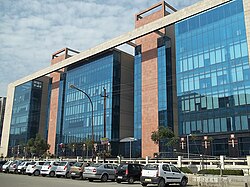
Noida has transitioned into a global technology hub, attracting software and mobile app development giants. Companies such as Microsoft, Arm Holdings, HCL, Samsung, and Barclays have established a significant presence here, contributing to the economy through service exports and product development.
A notable milestone in the city's industrial growth is Samsung's investment of ₹50 billion under the "Make in India" initiative, further cementing Noida's status as a center for electronics manufacturing.
Infrastructure and Transport
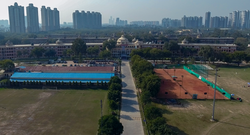
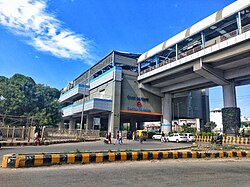
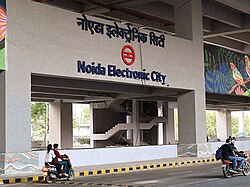
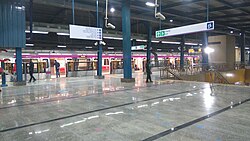
The city's infrastructure is designed for high-capacity movement and connectivity. Transport is anchored by the Noida Metro and the Delhi Metro, providing seamless access to the national capital.
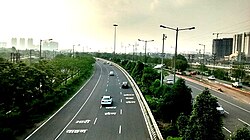
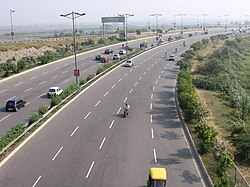
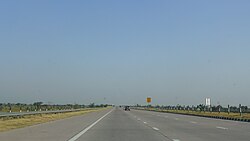
Road connectivity is equally robust, featuring the DND Flyway, which connects Noida to Delhi, and the Noida-Greater Noida Expressway. The Yamuna Expressway also runs through the city, facilitating long-distance travel across the state.
Healthcare and Education
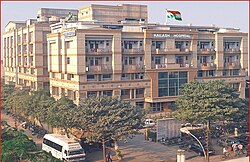
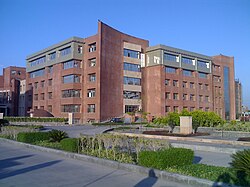
Noida is home to several private super-specialty hospitals, including Kailash Hospitals, Fortis Hospital, Max Super Speciality Hospital, and Yatharth Hospitals. The educational landscape is equally diverse, featuring institutions such as Amity University Uttar Pradesh, Jaypee Institute of Information Technology, and JSS Academy of Technical Education.
Parks, Recreation, and Culture
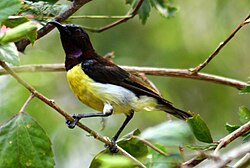
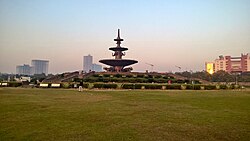
Beyond industry, Noida offers significant recreational spaces. The Noida Botanical Garden, established in 2002, spans 160 acres and houses approximately 7,500 plants, including a seed bank for over 250 species. The Okhla Bird Sanctuary is another primary attraction, serving as a vital habitat for various avian species.

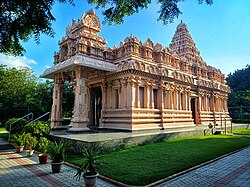
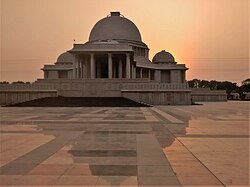
The city also honors its cultural and social history through landmarks like the National Dalit Memorial Park and the Shri Vinayaka Temple.
City Overview Summary
| Category | Details |
|---|---|
| Official Language | Hindi (Official), English (Additional Official) |
| GDP (Gautam Buddha Nagar) | ₹ 1.66 trillion (2021–2022) |
| GDP per capita (Noida) | US$ 8,000 (2020) |
| Literacy Rate | 88.58% |
| Vehicle Registration | UP-16 |
| Telephone Code | 0120 |
Frequently Asked Questions
What does the name NOIDA stand for?
NOIDA stands for the New Okhla Industrial Development Authority, which is the body responsible for the city's management and maintenance.
How green is Noida compared to other Indian cities?
Noida is frequently ranked as one of India's greenest cities, boasting a green cover of over 50%, which includes biodiversity parks and botanical gardens.
Which major tech companies have offices in Noida?
Major global companies including Microsoft, Samsung, HCL, Arm Holdings, and Barclays have established operations in the city.
What are the primary transport options in Noida?
The city is served by the Noida Metro and the Delhi Metro, as well as major road arteries like the DND Flyway and the Noida-Greater Noida Expressway.
What is the literacy rate in Noida?
According to 2011 census data, the literacy rate in Noida is 88.58%, with male literacy at 92.90% and female literacy at 83.28%.