Lucknow: The City of Nawabs and Cultural Capital of Awadh
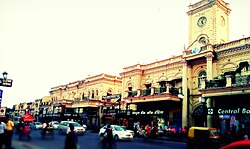
Lucknow, the capital of Uttar Pradesh, is a metropolis where timeless tradition meets modern urbanity. Known by evocative nicknames such as the City of Nawabs, the Golden City of India, and the Constantinople of the East, it serves as the heart of the Awadh region. Named after Lakshmana, the city is celebrated for its sophisticated etiquette, poetic heritage, and a unique blend of Mughal and British colonial architecture.
From the intricate patterns of Chikan embroidery to the aromatic flavors of its world-famous kababs, Lucknow offers a sensory journey through India's rich history. Today, it is not only a center of culture but also a growing economic hub with a nominal GDP of $16 billion.
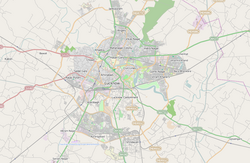
Key Facts
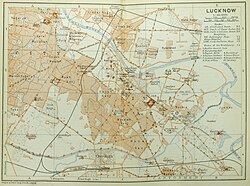
- Official Languages: Hindi and Urdu, with Awadhi spoken regionally.
- Population: 2,902,601 (as of 2011), ranking 11th in India.
- Geography: Located at 26°51′N 80°57′E with an elevation of 123 meters.
- Key Landmarks: Bara Imambara, Rumi Darwaza, and the British Residency.
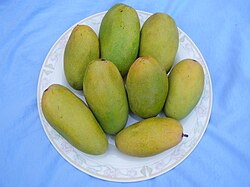
- Specialties: Chikan embroidery, Dasheri mangoes, and Galawati Kababs.
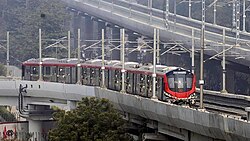
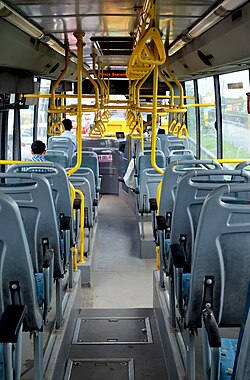
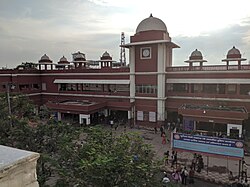
- Transport: Served by the Lucknow Metro and Chaudhary Charan Singh International Airport.
Historical and Architectural Heritage
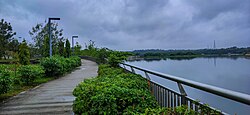
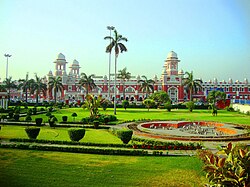
Lucknow's skyline is a testament to its diverse history, particularly the era of the Nawabs and the subsequent British influence. The city's architecture is characterized by the opulent Awadhi style, which blends Persian and Indian elements.
The Nawabi Legacy
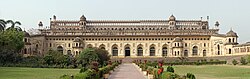
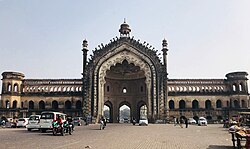
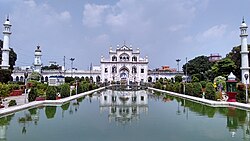
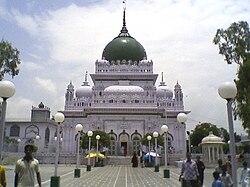
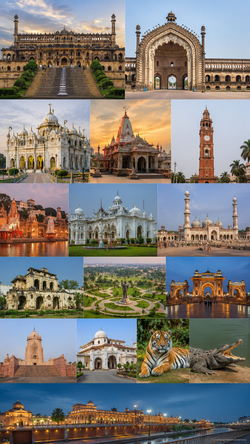
The Bara Imambara is perhaps the city's most famous structure, renowned for its Bhul Bhulaiya (a complex labyrinth) and stunning Awadhi architecture. Nearby, the Rumi Darwaza stands as an iconic gateway, while the Chota Imambara is admired for its exquisite chandeliers and Islamic design.
Colonial History and the 1857 Rebellion
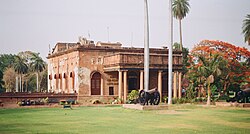
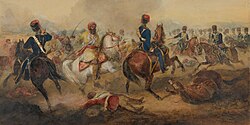
The city also bears the scars of the Indian Rebellion of 1857. The ruins of The Residency provide a poignant look at the gunfire and conflict sustained during this pivotal moment in Indian history.
Culture, Arts, and Cuisine
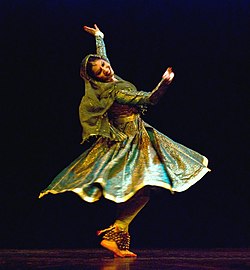
Lucknow is a sanctuary for the arts, particularly poetry and dance. It is the birthplace of the Lucknow style of Kathak, a classical dance form known for its intricate footwork and storytelling.
Traditional Crafts and Attire
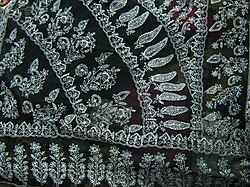
The city is globally recognized for Chikan embroidery, a delicate and traditional hand-embroidery style that remains a staple of local fashion and a major export.
The Flavors of Awadh
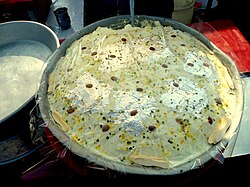
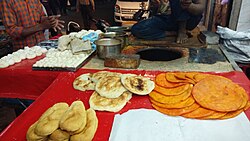
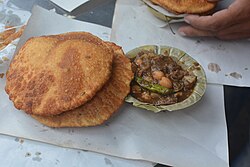
Lucknowi cuisine is legendary for its richness and refinement. The city is famous for its Galawati Kababs (melt-in-the-mouth minced meat), winter delicacies like Malai Makkhan, and a variety of traditional breads including Kulcha, Sheermal, and Naan. For breakfast, locals often enjoy Kachori Sabzi.

Modern Infrastructure and Economy
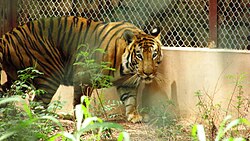
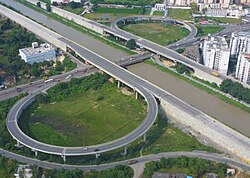
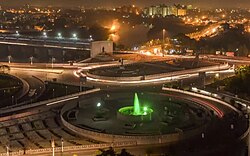
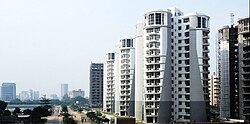
While rooted in history, Lucknow is a rapidly developing metropolis. The city's infrastructure has seen significant upgrades, including the Lucknow Metro and the expansive Cloverleaf Interchange on the Outer Ring Road.
Administration and Education
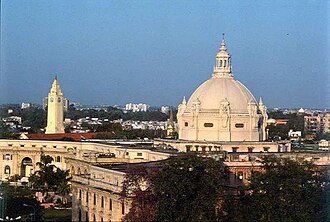
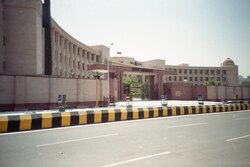
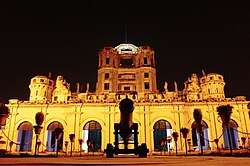
As the state capital, it houses the Vidhan Bavan (the seat of the Uttar Pradesh Legislature) and the Lucknow Bench of the Allahabad High Court. Educationally, the city is home to prestigious institutions like La Martiniere College and King George's Medical University.
Sports and Recreation
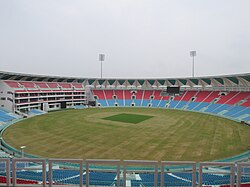
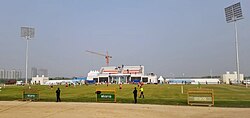
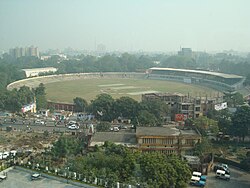
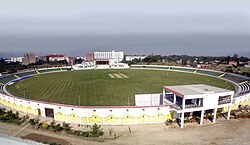
Lucknow has emerged as a sports hub with the BRSABV Ekana Cricket Stadium hosting international matches and the Lucknow Super Giants of the IPL. The city also features the Ekana International Football Stadium and various other sporting venues.
City Overview Summary
| Category | Details |
|---|---|
| Area | 631 sq km (5th largest in India) |
| GDP (Nominal) | $16 Billion |
| Literacy Rate | 85.5% (2011) |
| Major Airport | Chaudhary Charan Singh International Airport |
| Sister City | Brisbane, Australia |
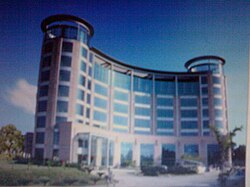
| Key Industry | Chikan Embroidery, IT (TCS Campus), Agriculture (Dasheri Mangoes) |
Frequently Asked Questions
What is the significance of the Bhul Bhulaiya?
The Bhul Bhulaiya is a complex labyrinth of corridors and stairs located within the Bara Imambara, designed to confuse intruders and provide structural support to the massive hall.
What is Chikan embroidery?
Chikan is a traditional and delicate form of hand-embroidery from Lucknow, typically done with white thread on light-colored fabrics like muslin or cotton.
Which are the must-visit historical sites in Lucknow?
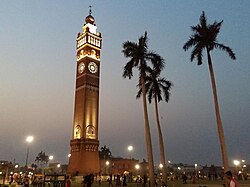
Essential sites include the Bara Imambara, Chota Imambara, Rumi Darwaza, the British Residency, and the Husainabad Clock Tower.
What is Bada Mangal?
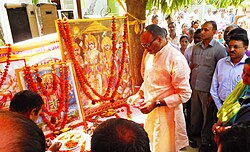
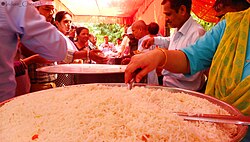
Bada Mangal is a unique ritual specific to Lucknow where free food is distributed to the public as part of the festivities.
What are the most famous foods in Lucknow?
Lucknow is most famous for its Tunday's Galawati Kababs, Malai Makkhan, and the sweet Dasheri mangoes.