NatureScot: Protecting and Enhancing Scotland's Natural Heritage
NatureScot (known in Scottish Gaelic as NàdarAlba) is the executive non-departmental public body of the Scottish Government dedicated to the preservation and enhancement of Scotland's natural heritage. This encompasses the nation's genetic, scenic, and natural diversity, ensuring that the flora, fauna, and geological features of the landscape are protected for future generations.
Operating as the primary adviser to the Scottish Government on nature conservation, wildlife management, and landscape preservation, NatureScot helps the government meet its international and legal obligations, including EU environmental laws such as the Birds and Habitats Directives. The organization works in close collaboration with local authorities, community groups, farmers, and the Joint Nature Conservation Committee (JNCC) to maintain a consistent approach to conservation across the United Kingdom.
Key Facts
- Established: 1992 (originally as Scottish Natural Heritage).
- Headquarters: Great Glen House, Inverness.
- Budget: £68.8 million (2022–23).
- Workforce: 814 employees as of Q4 2024.
- Protected Areas: Approximately 20% of Scotland's land is covered by some form of protected designation.
- National Nature Reserves: 43 reserves covering 154,250 hectares.
Roles and Responsibilities
Under the Natural Heritage (Scotland) Act 1991, NatureScot is tasked with securing the conservation of Scotland's natural heritage—defined as its flora, fauna, geological features, and natural beauty—while fostering public understanding and enjoyment of these assets.
Core Functions
- Policy Advice: Providing expert guidance to the Scottish Government on the development and implementation of nature-related policies.
- Research and Information: Commissioning scientific research and disseminating information about Scotland's natural heritage to the general public.
- Management: Establishing and maintaining designated conservation areas.
- Licensing: Issuing licenses for activities involving protected species that would otherwise be illegal.
Conservation and Protected Areas
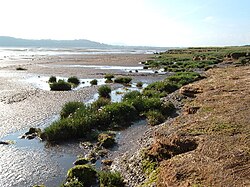
NatureScot manages a complex network of conservation designations. While many of these overlap, they provide critical layers of protection for the environment. Sites of Special Scientific Interest (SSSIs) are particularly prominent, covering 13% of Scotland's total area.
National Nature Reserves (NNRs)
There are 43 NNRs in Scotland, designated under the Wildlife and Countryside Act 1981. These areas protect habitats and species of national importance. While NatureScot manages the majority, others are managed in partnership with organizations such as the National Trust for Scotland, RSPB, and the Scottish Wildlife Trust.
National Scenic Areas (NSAs)
Identified in 1978, there are 40 NSAs covering 13% of Scotland. These are areas of unsurpassed attractiveness and national scenic significance that require conservation as part of the national heritage.
| Designation Type | Scope/Coverage | Primary Purpose |
|---|---|---|
| National Nature Reserves (NNRs) | 43 sites (154,250 ha) | Conservation of habitats/species of national importance |
| Sites of Special Scientific Interest (SSSIs) | 13% of Scotland's area | Protection of specific scientific features |
| National Scenic Areas (NSAs) | 40 areas (13% of land) | Preservation of unsurpassed natural beauty |
| General Protected Areas | ~20% of Scotland's area | Broad environmental and genetic diversity |
Promoting Outdoor Access
Beyond conservation, NatureScot promotes the public's ability to enjoy the outdoors. It manages the Scottish Outdoor Access Code, which provides guidance on the tradition of universal access to land, formally codified by the Land Reform (Scotland) Act 2003.
The agency also supports three regional parks and acts as the custodian of Scotland's Great Trails, providing publicity and funding for official routes, although the physical maintenance of these trails is handled by local authorities.
Governance and History
NatureScot is governed by a board of twelve members, currently chaired by Prof. Colin Galbraith, who determine the organization's strategies and policies. Day-to-day operations are led by a Senior Leadership Team, including interim Chief Executive Nick Halfhide.
The organization was formed in 1992 through the merger of the Nature Conservancy Council for Scotland and the Countryside Commission for Scotland. It operated as Scottish Natural Heritage (SNH) until rebranding as NatureScot on August 24, 2020.

The Move to Inverness
Between 2003 and 2006, the agency relocated its headquarters from Edinburgh to Great Glen House in Inverness. This move was controversial due to estimated costs between £22 million and £40 million and staff disruption. However, the resulting headquarters achieved the highest BREEAM (Building Research Establishment Environmental Assessment Method) rating for a public building in the UK at the time.
Special Projects and Challenges
NatureScot often collaborates with charities and land managers on targeted environmental projects. One notable example is the Stoat Eradication Project in Orkney. Since 2010, alien stoats have threatened native species such as the Orkney vole and various ground-nesting birds.
Launched in 2018 in partnership with the RSPB Scotland and Orkney Islands Council, the project deployed over 5,000 traps. While supported by most islanders, the project faced challenges, including reports of traps killing household pets and incidents of sabotage and theft investigated by Police Scotland.
Frequently Asked Questions
What is the difference between NatureScot and Scottish Natural Heritage?
There is no legal difference; NatureScot is the rebranded name of Scottish Natural Heritage (SNH). The rebranding took effect in August 2020, though the statutory name remains Scottish Natural Heritage.
How much of Scotland is protected by NatureScot?
Approximately 20% of Scotland's total area is covered by some form of protected area designation, with Sites of Special Scientific Interest (SSSIs) alone accounting for 13%.
What is the Scottish Outdoor Access Code?
It is a set of detailed guidelines created by NatureScot to help the public exercise their right of universal access to land in Scotland, as established by the Land Reform (Scotland) Act 2003.
Who manages the National Nature Reserves?
While NatureScot designates and oversees all 43 NNRs, many are managed in cooperation with other bodies, including the National Trust for Scotland, Forestry and Land Scotland, and the RSPB.
What was the purpose of the Orkney stoat project?
The project aimed to eradicate non-native stoats that pose a severe threat to Orkney's native wildlife, including the native Orkney vole, short-eared owls, and hen harriers.