Natural Resources Conservation Service: Protecting America's Land and Water
The Natural Resources Conservation Service (NRCS) serves as a vital pillar of American agriculture and environmental health. As an agency within the United States Department of Agriculture (USDA), the NRCS provides essential technical assistance to farmers, ranchers, and private landowners. Its primary mission is to improve, protect, and conserve natural resources on private lands through cooperative partnerships with state and local agencies.
While the agency's roots are deeply embedded in agricultural land management, its expertise extends far beyond the farm. The NRCS makes significant technical contributions to soil surveying (the detailed mapping and classification of soil types), soil classification, and the improvement of water quality across the nation.
Key Facts
- Parent Agency: United States Department of Agriculture (USDA)
- Founded: September 13, 1933 (originally as the Soil Erosion Service)
- Mission: To conserve and improve natural resources on private lands.
- Workforce: Approximately 11,000 to 12,000 employees.
- Core Services: Technical and financial assistance for soil, water, air, and plant conservation.
A History Rooted in Soil Preservation
The agency's origins can be traced back to the devastating effects of the Dust Bowl in the 1930s. Driven by the need to combat massive soil erosion, soil conservation pioneer Hugh Hammond Bennett led the formation of the Soil Erosion Service on September 13, 1933. Originally part of the Department of the Interior, the service was transferred to the USDA in 1935 and reorganized into the Soil Conservation Service (SCS) via the Soil Conservation and Domestic Allotment Act.
During the period between 1933 and 1942, the SCS managed 500 Civilian Conservation Corps camps dedicated to erosion control. In 1994, during the presidency of Bill Clinton, the agency was renamed the Natural Resources Conservation Service to better reflect its expanding mission beyond simple soil conservation.
Major Programs and the Farm Bill
The NRCS delivers its services through various programs authorized by the Farm Bill, a piece of federal legislation renewed every five years. These programs are voluntary and provide both technical expertise and financial assistance to producers, tribes, and conservation districts.
Core Conservation Programs
- Environmental Quality Incentives Program (EQIP): Provides cost-sharing, technical, and educational assistance to help landowners improve soil, water, grazing lands, wetlands, and wildlife habitats.
- Conservation Stewardship Program (CSP): Designed for producers who maintain high levels of environmental stewardship.
- Regional Conservation Partnership Program (RCPP): Focuses on large-scale projects at the watershed or regional level.
- Agricultural Conservation Easement Program (ACEP): Offers help to maintain land for agriculture or environmental benefits, including the purchase of conservation easements.
- Healthy Forests Reserve Program (HFRP): Assists landowners in restoring and protecting forests to improve biodiversity and enhance carbon sequestration.
Specialized Initiatives
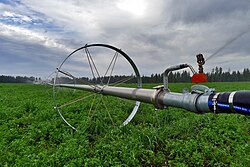
The NRCS also manages targeted projects such as the National Ag Water Management Team (AGWAM), which works in 10 Midwest states to reduce nitrate levels in soil caused by fertilizer runoff. Additionally, the Gulf of Mexico Initiative provides funding to states bordering the Gulf to promote sustainable farming and fishing practices while protecting endangered species.
Technical Resources and Natural Management
The agency maintains a vast repository of scientific data to support land management. This includes the National Cooperative Soil Survey (NCSS) and the Soil Survey Geographic (SSURGO) database, which are essential for understanding soil health and composition.
Water and Watershed Protection
Through various watershed programs, the NRCS works with local governments and tribes to provide:
- Flood mitigation and sediment control
- Water quality improvement and groundwater recharge
- Wetland restoration and fish/wildlife enhancement
- Irrigation and hydropower support
Livestock and Plant Conservation
Effective livestock management is a key focus, as proper waste management systems prevent runoff and soil erosion. Furthermore, the NRCS supports ecosystem health through the PLANTS database and various plant materials centers, such as the Great Basin Plant Materials Center, which helps combat invasive species and restore habitats damaged by natural disasters.
Summary of NRCS Agency Profile
| Category | Details |
|---|---|
| Current Chief | Colton L. Buckley |
| Primary Mission | Conserve natural resources on private lands |
| Key Legislation | The Farm Bill |
| Global Reach | Technical assistance programs on every continent |
Frequently Asked Questions
What is the main difference between the SCS and the NRCS?
The Soil Conservation Service (SCS) was the agency's former name. It was renamed the Natural Resources Conservation Service (NRCS) in 1994 to reflect a broader mission that includes water, air, and plant conservation in addition to soil.
Are NRCS conservation programs mandatory?
No. All conservation programs offered by the NRCS, such as EQIP and CSP, are voluntary for landowners and producers.
How does the NRCS help with water quality?
The agency provides technical assistance for watershed protection, helps manage agricultural drainage to reduce nitrate runoff, and implements initiatives like the Gulf of Mexico Initiative to promote sustainable practices.
Does the NRCS work outside of the United States?
Yes. The NRCS has been involved in international conservation since the 1930s. They provide both short-term and long-term technical assistance to countries worldwide to help prevent soil erosion and improve land management.
What is the role of the National Association of Conservation Districts (NACD)?
The NACD is a non-profit organization that serves approximately 3,000 local conservation districts across the U.S., providing leadership and a unified voice for natural resource conservation.