National Identity: The Psychology and Politics of Belonging
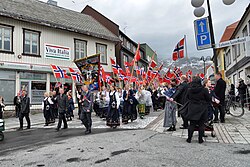
National identity is the profound sense of belonging an individual feels toward one or more states or nations. It is more than just a legal status; it is the perception of a nation as a cohesive whole, defined by distinctive traditions, culture, and language. This identity blends political and cultural elements, often manifesting through common daily experiences such as shared language, national symbols, and a collective history.
Psychologically, national identity functions as an awareness of difference—a mental recognition of "we" versus "they." This feeling can extend beyond legal citizens to include the diaspora of multi-ethnic societies. In some cases, individuals may hold hyphenated ethnicities, representing a confluence of multiple national and ethnic identities within a single person.

Key Facts
- Dual Nature: National identity comprises both cultural elements (traditions, language) and political elements (citizenship, statehood).
- Legal Standing: Under international law, a state's identity is linked to its Constitutional name and is essential for its international juridical personality.
- Human Rights: External interference with a nation's cultural identity or traditions is considered inadmissible and a violation of collective human rights.
- Triggers: National identity often becomes more salient during times of crisis, such as natural disasters or external threats.
The Formation of National Identity
Scholars generally categorize the definition of national identity into three primary schools of thought:
- Essentialists: These theorists view national identity as fixed and innate, rooted in ancestry, ethnicity, a common language, and shared worldviews.
- Constructivists: This group argues that identity is shaped by politics and the exercise of power, where dominant groups define the national identity to maintain their privileged status.
- Civic Identity: This perspective emphasizes common principles regarding rights and the legitimacy of state institutions.

Conceptualizing the Nation
The concept of "the people" serves as the foundation for national identity, though the logic used to define those people varies. Different perspectives offer varying lenses on how a nation is bound together:
- Voluntarist: A group bound together by a commonly willed nation.
- Linguistic: A group defined by sharing the same language.
- Destination: A group united by a common history and a shared mission.
When Identity Becomes Salient
National identity is often most noticeable when a nation faces internal or external enemies or natural disasters. For example, patriotism and a shared sense of being "American" surged in the United States following the terrorist attacks of September 11, 2001. A common threat or goal acts as a powerful catalyst for unity.
However, identity can also be shaped by external perceptions. Research on American students studying abroad found that stereotypes—particularly those related to the 2016 U.S. presidential election—affected how students connected with host cultures. Depending on the interaction, students might distance themselves, assimilate, or challenge their identity in response to these preconceived notions.

Challenges to National Identity
Ethnic Identity and Conflict
In multi-ethnic states, national identity can clash with ethnic identity, leading to ethnonational conflicts. A prominent example is the struggle between the Australian government and the Aboriginal population. For much of the 20th century, the state imposed European-based cultural values and the English language, nearly eradicating Aboriginal cultures. Consequently, many Aboriginal people identify more strongly with their ethnic identity than with the national identity of being Australian.

Immigration and Integration
Increasing immigration forces countries to decide how inclusive their national identity should be. Canada, for instance, maintains high permanent immigration rates and encourages a sense of belonging that includes both native-born citizens and immigrants. In contrast, Russia has seen waves of immigration where newcomers were often perceived as "unwelcome guests" and excluded from the national identity.

Summary of National Identity Perspectives
| Perspective | Primary Driver | Nature of Identity |
|---|---|---|
| Essentialism | Ancestry and Ethnicity | Fixed/Innate |
| Constructivism | Politics and Power | Fluid/Created |
| Voluntarist | Common Will | Chosen |
| Linguistic | Shared Language | Communicative |
Frequently Asked Questions
What is the difference between national and ethnic identity?
National identity is a sense of belonging to a state or nation, often involving political and cultural elements. Ethnic identity is based on shared ancestry, heritage, and cultural traits. While they often overlap, they can conflict in multi-ethnic states.
How does international law view national identity?
International law treats a state's identity as interchangeable with its sovereign identity, linked to its Constitutional name. It protects cultural identity from external interference, viewing such interference as a violation of collective human rights.
Why does national identity increase during a crisis?
Common threats, such as natural disasters or attacks, create a shared goal and a sense of "we," which enhances the salience of national identity and increases patriotism.
Can a person have more than one national identity?
Yes. This is often seen in hyphenated ethnicities or among the diaspora of multi-ethnic states, where individuals blend multiple national or ethnic identities.