Mycology: The Science of Fungi and Their Impact on Humanity
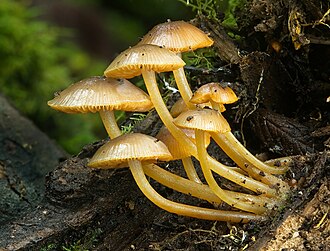
Mycology is the specialized branch of biology dedicated to the study of fungi. This scientific field encompasses a wide array of research, including taxonomy (the classification of organisms), genetics, biochemical properties, and the various ways humans utilize fungi in daily life. From the yeasts that rise our bread to the complex molds used in medicine, fungi play a pivotal role in the Earth's ecosystem and human industry.
Because many plant diseases are caused by fungi, mycology overlaps significantly with phytopathology, the study of plant diseases. Professionals who specialize in this field are known as mycologists.
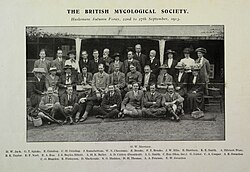
Beyond the laboratory, mycology has a strong community aspect. Enthusiasts and scientists often participate in "forays"—field meetings organized to locate and identify interesting fungal species. This tradition dates back to 1868, when the Woolhope Naturalists' Field Club organized a meeting titled "A foray among the funguses."
Key Facts
- Diverse Utility: Fungi serve as sources of food, tinder, traditional medicine, and entheogens, but can also be sources of poison and infection.
- Medical Importance: Medical mycology focuses specifically on pathogenic fungi that infect animals and humans.
- Industrial Powerhouse: Yeasts, particularly Saccharomyces cerevisiae, are essential for global baking, brewing, and winemaking.
- Pharmaceutical Source: Many critical drugs, including penicillin and ciclosporin, are isolated from fungi.
- Biological Classification: Once considered plants, fungi were reclassified as an independent field in 1969 after discoveries revealed their close evolutionary relationship to animals.
The History of Fungal Study
Human interaction with fungi began in prehistoric times through the collection of mushrooms for food. Some of the earliest written records appear in the works of Euripides (480–406 BC). Later, the Greek philosopher Theophrastos of Eresos (371–288 BC) attempted to classify mushrooms, though he viewed them as plants that lacked certain organs. Pliny the Elder also documented truffles in his encyclopedia, Natural History.
In 1245, the Chinese scholar Chen Renyu authored the Junpu, one of the oldest known books dedicated to describing various mushrooms.
The Dawn of Modern Mycology
The modern era of the science began in 1737 with Pier Antonio Micheli's Nova plantarum genera. This work established the foundations for the systematic classification of fungi, mosses, and grasses, and introduced the genus names Polyporus and Tuber.
In 1753, Carl Linnaeus integrated fungi into his binomial naming system, which assigns every organism a two-word Latin name consisting of a genus and species. While Linnaeus placed fungi in the plant kingdom in his Species Plantarum, his classifications were broad; for instance, he grouped all gilled mushrooms with a stem into the genus Agaricus. While some names, like Agaricus campestris, remain unchanged, others were later refined, such as Agaricus deliciosus becoming Lactarius deliciosus.
Industrial and Medical Applications
The application of mycological knowledge has led to massive biotechnological leaps, particularly in food manufacturing. Over 500 species of yeasts have been cultivated, with Saccharomyces cerevisiae (baker's yeast) being the most prominent.
Fermentation and Economics
Fermentation is one of the oldest methods of food preservation, with evidence in Israel dating back over 13,000 years. By utilizing yeasts and bacteria, humans have extended the shelf life of grains, vegetables, and meats. Today, fermentation is central to the production of alcoholic beverages; approximately 90% of the world's beer is lager and 5% is ale, making beer a crucial export for many national economies.
Drug Discovery and Health
Fungi are a goldmine for pharmaceutical research. When exposed to ultraviolet (UV) light, mushrooms produce significant amounts of vitamin D. Furthermore, several essential drugs have been isolated from molds and other fungi, including:
- Penicillin
- Ciclosporin
- Griseofulvin
- Cephalosporin
- Psilocybin
Summary of Fungal Impact
| Category | Key Examples / Species | Primary Use or Effect |
|---|---|---|
| Food Production | Saccharomyces cerevisiae | Baking, brewing, and winemaking |
| Medicine | Molds (various) | Antibiotics (e.g., Penicillin) |
| Agriculture | Plant Pathogens | Causes of crop diseases (Phytopathology) |
| Health | Pathogenic Fungi | Animal and human infections (Medical Mycology) |
Frequently Asked Questions
Are fungi considered plants?
Historically, fungi were classified as plants. However, following a discovery in 1969 that revealed fungi share a closer evolutionary relationship with animals than with plants, mycology was established as an independent field of study.
What is a mycologist?
A mycologist is a biologist who specializes in the study of fungi, including their genetics, taxonomy, and biochemical properties.
What is the difference between mycology and phytopathology?
Mycology is the general study of all fungi, while phytopathology is the study of plant diseases. They overlap because the majority of plant pathogens are fungal in nature.
How are fungi used in the pharmaceutical industry?
Fungi are used to isolate powerful medicinal compounds. Examples include the antibiotic penicillin and the immunosuppressant ciclosporin, as well as the production of vitamin D when mushrooms are exposed to UV light.
What is a mycological "foray"?
A foray is a field meeting where people gather to search for and identify various species of fungi in their natural habitat.