Muttonbirding: The Tradition of Harvesting Shearwaters in Australia and New Zealand
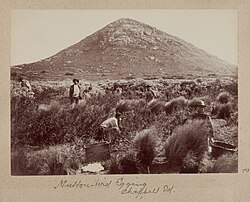
Muttonbirding is the seasonal practice of harvesting the chicks of petrels—specifically species of shearwaters—for their meat, oil, and feathers. This activity is carried out by both recreational and commercial hunters. While the practice of hunting seabirds dates back to prehistoric times, modern muttonbirding primarily refers to the regulated and sustainable harvesting of shearwaters in Australia and New Zealand.
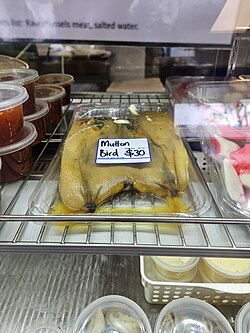
The term "muttonbird" originated among settlers on Norfolk Island, who noted that the meat's strong taste and high fat content were reminiscent of mutton. Other consumers have described the flavor as being more similar to fish or seafood.
Key Facts
- Primary Species: Short-tailed shearwaters (Australia) and Sooty shearwaters (New Zealand).
- Harvest Method: Chicks are extracted by hand from nesting burrows before they fledge.
- New Zealand Scale: Approximately 250,000 sooty shearwaters are harvested annually.
- Management: In New Zealand, the harvest is managed entirely by the Rakiura Māori.
- Historical Impact: Some island populations of seabirds became extinct due to prehistoric and early colonial hunting.
The Biology of Muttonbirds
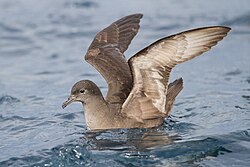
Muttonbirds are seabirds, particularly petrels within the genus Puffinus, known as shearwaters. These birds are prized for their oil and meat, which are obtained by harvesting the young before they leave the nest.
Commonly Harvested Species
- Short-tailed shearwater (yolla): Nests in south-eastern Australia, specifically the Furneaux Group in the eastern Bass Strait.
- Sooty shearwater (tītī): Nests primarily in New Zealand and various islands in the South Atlantic Ocean.
- Wedge-tailed shearwater: Found across tropical and subtropical regions of the Indian and Pacific Oceans.
Other Notable Species
Historically, other species have been targeted. The Manx shearwater was harvested in the North Atlantic, and the Cape Verde shearwater has seen population declines due to over-harvesting. On Norfolk Island, Providence petrels—once called "flying sheep"—were harvested to extinction in the early 19th century, though they still exist on Lord Howe Island. Other species associated with these practices include the Grey-faced petrel (Pterodroma gouldi).
Regional Practices and History
Australia
In Tasmania, the harvesting of short-tailed shearwater chicks has long been a traditional subsistence activity for European settlers and Aboriginal Tasmanians. Licensed commercial harvesting officially began in 1903. However, the industry declined toward the end of the 20th century, driven by a drop in market demand and a decrease in interest among younger Indigenous people, particularly in the Furneaux Group islands.
New Zealand
The harvest of sooty shearwater chicks takes place on 36 islands known as the Tītī or Muttonbird Islands, located around Rakiura (Stewart Island). This practice is managed exclusively by the Rakiura Māori, with evidence suggesting the harvest has occurred since at least the 17th century.
Summary of Muttonbirding Regions
| Feature | Australia | New Zealand |
|---|---|---|
| Primary Species | Short-tailed shearwater (yolla) | Sooty shearwater (tītī) |
| Key Location | Bass Strait / Furneaux Group | Rakiura (Stewart Island) |
| Management | Licensed commercial/traditional | Managed by Rakiura Māori |
| Status | Declining industry | Active (approx. 250,000 birds/year) |
Frequently Asked Questions
Why are these birds called muttonbirds?
The name was coined by settlers on Norfolk Island because the meat's fattiness and strong flavor were compared to mutton.
How are the birds harvested?
Hunters extract the young chicks by hand from their nesting burrows before the birds fledge (leave the nest).
Is muttonbirding sustainable?
While prehistoric hunting led to some extinctions, modern muttonbirding in Australia and New Zealand is described as regulated and sustainable.
Who manages the harvest in New Zealand?
The harvesting of sooty shearwaters on the Tītī Islands is managed entirely by the Rakiura Māori.
What are the birds used for?
The birds are harvested primarily for their meat and oil, though their feathers are also collected.