Moy: A Historic Highland Village in Scotland
Nestled in the scenic Highland region of Scotland, the village of Moy (known in Scottish Gaelic as A' Mhoigh) is a quiet settlement rich in history. Located between the villages of Daviot and Tomatin, Moy is characterized by its proximity to the serene waters of Loch Moy and its deep connections to the Jacobite uprisings of the 18th century.
Historically, the village served as a point of transit, once hosting a railway station on the Inverness and Aviemore Direct Railway, connecting this rural outpost to the wider Scottish rail network.
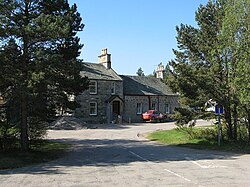
Key Facts
- Location: Situated in the Highland council area, within the Inverness lieutenancy area.
- Geography: Positioned beside Loch Moy, between Daviot and Tomatin.
- Historical Event: Site of the Rout of Moy in February 1746.
- Coordinates: OS grid reference NH771337.
- Administration: Part of the Inverness, Skye and West Ross-shire UK Parliament constituency.
The Rout of Moy: A Night of Deception
Moy is most famous for a daring tactical victory during the Jacobite rising. On February 16, 1746, Charles Edward Stuart spent the night at Moy Hall. To protect the prince from a surprise attack by government troops descending from Inverness, Lady Anne Farquharson-Mackintosh took decisive action.
She dispatched Donald Fraser, a local blacksmith, along with four other retainers to monitor the road from Inverness. When several hundred government troops were detected marching toward the estate, the small group of defenders employed a clever psychological ruse. By beating their swords against rocks, jumping erratically, and shouting the war cries of various clans within the Chattan Confederation (a historic alliance of Highland clans), they created the illusion of a massive ambush.
Deceived by the noise and chaos, the government troops retreated. This strategic victory left Inverness open for the prince to capture the following day. Despite the tension of the encounter, there was only one casualty: the piper for the Hanoverian troops, believed to be a member of the renowned MacCrimmon piping family.
Regional Geography and Administration
Moy is integrated into the administrative framework of the Scottish Highlands. It falls under the jurisdiction of the Highland Council and is served by Scottish police, fire, and ambulance services. For postal purposes, it is associated with the post town of Inverness under the postcode district IV13 7.
| Category | Detail |
|---|---|
| Scottish Gaelic Name | A' Mhoigh |
| Council Area | Highland |
| Distance to Edinburgh | 104 mi (167 km) |
| Distance to London | 435 mi (700 km) |
| Scottish Parliament Constituency | Inverness and Nairn |
Frequently Asked Questions
Where is the village of Moy located?
Moy is located in the Highland region of Scotland, situated between the villages of Daviot and Tomatin, beside Loch Moy.
What was the Rout of Moy?
The Rout of Moy was a 1746 incident where a small group of defenders used noise and war cries to trick several hundred government troops into believing they were being ambushed, allowing Charles Edward Stuart to capture Inverness the next day.
Who was the only casualty of the Rout of Moy?
The only casualty was the piper for the Hanoverian troops, who is thought to have been a member of the MacCrimmon piping family.
Did Moy ever have a railway connection?
Yes, the village previously had a railway station located on the Inverness and Aviemore Direct Railway.
Which clans were involved in the defense of Moy Hall?
The defenders utilized the war cries of different clans belonging to the Chattan Confederation to deceive the government forces.