Moulting in Animals: The Science of Shedding and Growth
In the natural world, growth and survival often require a complete overhaul of the exterior. Moulting (or molting in American English)—also referred to as sloughing, shedding, or ecdysis in invertebrates—is the biological process where an animal casts off parts of its body. This essential mechanism occurs either at specific times of the year or at critical milestones in an animal's life cycle to facilitate growth, health, or camouflage.
Historically, this process was known as "mewing," derived from the French word muer. This term is still preserved in the name of Britain's Royal Mews, which originally served as housing for the King's hawks during their moulting periods before transitioning into horse stables during the Tudor era.
Key Facts
- Diverse Materials: Animals may shed skin (epidermis), hair, feathers, fur, wool (pelage), or an entire exoskeleton.
- Growth Driver: For arthropods, ecdysis is the only way to increase body size since their hard shells do not grow.
- Seasonal Triggers: In mammals, moulting is often triggered by melatonin fluctuations in the pineal gland due to sunlight changes.
- Energy Intensive: In birds, replacing feathers can require significant energy as plumage accounts for 4–12% of their body weight.
- Nutritional Recovery: Some animals, such as lizards and certain amphibians, consume their shed skin to reclaim calcium and other nutrients.
Moulting Across Different Species
Arthropods and Invertebrates
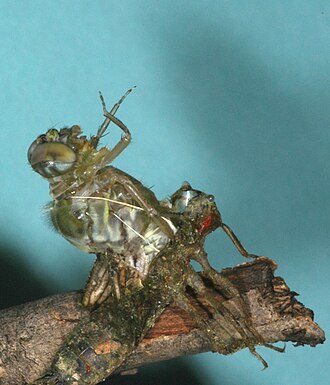
For insects, arachnids, and crustaceans, moulting involves shedding the exoskeleton (the hard outer shell). This process, known as ecdysis, is vital for growth. The discarded shell is called an exuviae. In species that undergo complete metamorphosis, the final moult is a radical transformation, turning a soft-bodied larva into a reproductive adult, often with wings.
During this transition, the new exoskeleton is initially soft before hardening. Interestingly, insects are unable to breathe during the actual act of moulting. In some species, such as the crustacean Ovalipes catharus, moulting must occur before mating can take place.
Birds and Avian Plumage
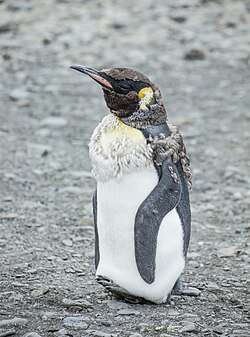
In birds, moulting is the periodic replacement of feathers. Because feathers are dead structures once mature, they wear down over time and must be replaced. This is typically a slow, symmetrical process to ensure the bird can still regulate body temperature and repel water.
The cycle begins with the shedding of old feathers, followed by the growth of pin feathers, which eventually mature into full feathers. Many birds moult after the breeding season when food is abundant, producing what is known as postnuptial plumage. Some species, like mallards, replace bright breeding colors with "eclipse plumage" to improve camouflage and reduce predation risk.
Reptiles and Amphibians
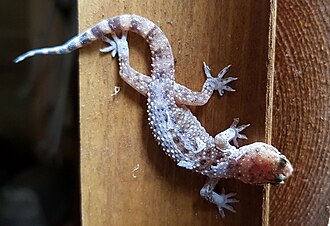
Squamates (scaled reptiles) must shed their skin as they grow. Snakes typically rub their heads against rough surfaces to split the skin, then crawl out of it, effectively turning the skin inside-out. This is critical for vision, as they also shed the brille (the ocular scale covering the eye). Lizards, conversely, usually shed their skin in smaller pieces.
Amphibians, including frogs and salamanders, also moult regularly. Like lizards, they often consume the shed skin to recover nutrients.
Mammals and Small Pets
Mammalian moulting usually involves the pelage. Dogs and other canids typically moult semi-annually in spring and autumn. This is driven by sunlight variations affecting the pineal gland rather than temperature. Arctic breeds often maintain this strict twice-yearly schedule, while other breeds may only moult once.
Small mammals show varying patterns: guinea pigs often moult constantly, rabbits follow a seasonal spring/autumn cycle, and hamsters shed less frequently. In hamsters, excessive shedding can be a clinical sign of disease or stress.
Summary of Moulting Patterns
| Animal Group | Item Shed | Timing | Key Note |
|---|---|---|---|
| Cats | Fur | Spring-Summer | Transition from winter to thinner summer coat. |
| Canids (Dogs) | Fur | Spring and Fall | Driven by melatonin and sunlight variations. |
| Chickens | Feathers | Autumn | Egg-laying usually stops during the process. |
| Mallards | Feathers | Mid-summer to Early Fall | Shift to eclipse plumage for camouflage. |
| Snakes/Lizards | Skin | Regularly | Rubbing against rough surfaces assists removal. |
| Arthropods | Exoskeleton | Regularly | Essential for growth and metamorphosis. |
Forced Moulting in Agriculture
In commercial poultry farming, some practitioners use forced moulting to increase egg production in layer hens. This is achieved by withdrawing food and sometimes water for 7 to 28 days, leading to a body weight loss of 25% to 35%. This stress triggers feather loss and subsequently reinvigorates egg-laying. Other methods include dietary manipulation of minerals such as sodium, calcium, iodine, and zinc.
Frequently Asked Questions
Why do some animals eat their own shed skin?
Lizards and amphibians often consume their moulted skin to reclaim valuable nutrients, particularly calcium, which is essential for their skeletal health.
What is the difference between moulting and ecdysis?
Moulting is a general term for shedding any body part (hair, skin, feathers). Ecdysis specifically refers to the shedding of the exoskeleton in invertebrates like insects and arachnids.
Do all birds lose all their feathers at once?
No. Birds rarely shed all feathers simultaneously because they must maintain the ability to regulate body temperature and repel moisture. The process is usually gradual and symmetrical.
What causes dogs to shed their coats seasonally?
Shedding in dogs is triggered by fluctuations in melatonin secreted by the pineal gland, which responds to seasonal changes in sunlight rather than changes in temperature.
What are pin feathers?
Pin feathers are the new, developing feathers that grow in to replace old ones during the avian moulting process before they unfurl into full feathers.