Morristown Revolutionary War Sites: A Journey Through the Continental Army's Winter Quarters
The landscape of Morristown, New Jersey, serves as a living chronicle of the American Revolutionary War. From the strategic heights of Fort Nonsense to the grueling conditions of the winter encampments, these sites provide a window into the resilience of the Continental Army and the leadership of George Washington during one of the most challenging periods of the war.
Key Facts
- Ford Mansion served as George Washington's headquarters during the record-breaking cold winter of 1779–1780.
- Jockey Hollow was the site of a major Continental Army encampment and witnessed significant mutinies.
- Fort Nonsense functioned as a strategic hilltop location for earthworks and signal fires.
- The New Jersey Brigade Encampment Site housed roughly 1,300 soldiers during the winter of 1779-1780.
The Strategic Landscape of Morristown
Morristown's geography played a critical role in the Continental Army's operations. One of the most prominent strategic points was Fort Nonsense, situated on a high hilltop overlooking the town. Historians believe this site was utilized for earthworks—temporary fortifications made of soil—and as a location for signal fires to communicate movements and warnings.
Jockey Hollow and Military Unrest
Located in Harding Township along Route 202, a few miles south of Morristown, lies Jockey Hollow. This area served as a primary encampment for the Continental Army. However, the site is also remembered for internal strife; it was here that the entire Pennsylvania contingent mutinied, an action later attempted by 200 soldiers from New Jersey.
The Hard Winter at Ford Mansion
Between December 1779 and May 1780, George Washington and his army endured what is known as the "hard winter." This period remains the coldest on record for the state of New Jersey. Washington established his quarters at the Ford Mansion in Morristown.
The mansion was owned by Theodosia Ford, the widow of Jacob Ford Jr. In a display of wartime cooperation, Theodosia and her four children shared their home with Washington, his staff—including Alexander Hamilton—their servants, and occasionally their family members. Martha Washington also traveled from Mount Vernon to join her husband during this grueling season.
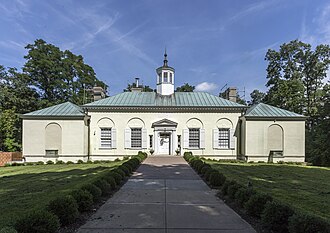
Visiting Washington's Headquarters Museum
Today, the adjacent Washington's Headquarters Museum allows the public to explore this history. The museum features three exhibit rooms and a sales area, and screens the 2009 New Jersey Network production, Morristown: Where America Survived. While the museum is open for general admission, the Ford Mansion itself is accessible only via guided tours that originate within the museum.
The New Jersey Brigade Encampment
Further south of Jockey Hollow, in Bernardsville (Somerset County), lies the New Jersey Brigade Encampment Site. This location provided shelter and quarters for approximately 1,300 Continental Army soldiers during the severe winter of 1779-1780, highlighting the scale of the military presence in the region.
| Site Name | Location | Primary Significance |
|---|---|---|
| Ford Mansion | Morristown | Washington's headquarters during the 1779-1780 winter. |
| Jockey Hollow | Harding Township | Continental Army encampment and site of mutinies. |
| Fort Nonsense | Morristown Hilltop | Signal fires and earthworks. |
| NJ Brigade Encampment | Bernardsville | Winter quarters for ~1,300 soldiers. |
Frequently Asked Questions
When is Washington's Headquarters Museum open?
The museum is open Wednesday through Sunday from September to June, and seven days a week from July to August. Visiting hours are 9:30 AM to 5:00 PM.
How can visitors see the Ford Mansion?
The Ford Mansion is only available to the public through guided tours, which begin at the Washington's Headquarters Museum.
What happened at Jockey Hollow?
Jockey Hollow served as a Continental Army encampment and was the site of a mutiny by the Pennsylvania contingent, followed by a similar attempt by 200 New Jersey soldiers.
Who lived in the Ford Mansion with George Washington?
The mansion was shared with the owner, Theodosia Ford and her four children, as well as Washington's staff (including Alexander Hamilton), servants, and occasionally family members, including Martha Washington.
Why is the winter of 1779-1780 significant?
Known as the "hard winter," it is recorded as the coldest winter on record for New Jersey, creating extreme conditions for the Continental Army stationed in Morristown.