Modernism: The Evolution of Art, Architecture, and Culture
Modernism is a global cultural and artistic movement that emerged around 1860, fundamentally altering how humanity perceives and represents reality. Breaking away from traditional forms of expression, Modernism sought to redefine the relationship between the artist and tradition, embracing experimentation and the avant-garde—works that are innovative or unconventional.
The movement was not a single style but a broad umbrella encompassing various shifts in painting, sculpture, architecture, literature, and music. It reflected a world undergoing rapid industrialization and social change, pushing creators to find new languages to describe the modern experience.
Key Facts
![Jean Metzinger, 1913, En Canot (Im Boot), oil on canvas, 146 cm × 114 cm (57.5 in × 45 in), exhibited at Moderni Umeni, S.V.U. Mánes, Prague, 1914, acquired in 1916 by Georg Muche at the Galerie Der Sturm, confiscated by the Nazis circa 1936–1937, displayed at the Degenerate Art show in Munich, and missing ever since[99]](/images/5d/2c/5d2cf2159381a049d3c50aeb4c2e71cc616fdcc261ab6fbbd5f9d310d0706de4.jpg)
- Timeline: Active from approximately 1860 through the mid-20th century.
- Scope: A worldwide movement affecting visual arts, architecture, music, and literature.
- Core Philosophy: A rejection of traditional realism and a drive toward abstraction and experimentation.
- Key Figures: Includes Pablo Picasso, Henri Matisse, Frank Lloyd Wright, and Le Corbusier.
- Legacy: Paved the way for Postmodernism and contemporary art.
Origins and Early History
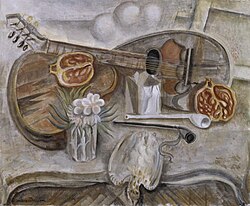
Romanticism and Realism
The roots of Modernism lie in the tension between Romanticism—which emphasized emotion and nature—and Realism, which sought to depict the world as it truly was. In the early 19th century, artists began to question the rigid constraints of academic art.
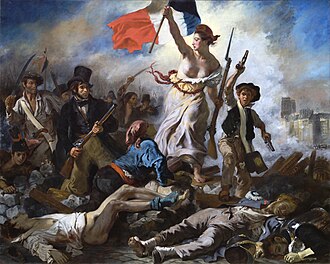
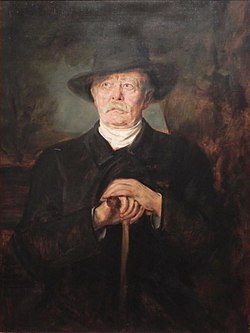
By the late 19th century, the movement shifted. While Realism provided a foundation for observing the world, Modernist artists eventually rejected the strict adherence to visual accuracy seen in realist portraits.
The Emergence of the Modern Spirit
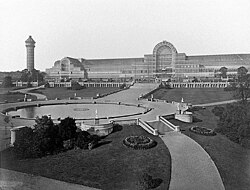
As the 20th century approached, the influence of industrialization became apparent in design and architecture. The use of new materials, such as glass and steel, allowed for unprecedented structural possibilities.
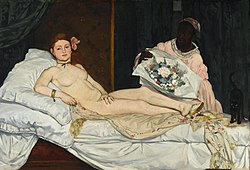
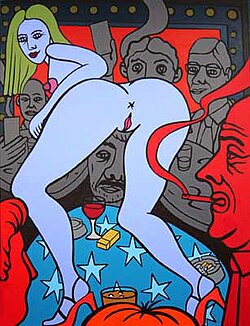
In painting, controversy often signaled the birth of new movements. Works that challenged social norms or used "vulgar" subject matter, such as the depiction of courtesans, pushed the boundaries of what was acceptable in public salons.
The Golden Age of Modernism (1901–1945)
Fauvism and Cubism
At the start of the 20th century, the Paris art world was revolutionized by Fauvism, characterized by "wild," expressive colors and landscapes. Artists like Henri Matisse led this charge, moving away from naturalistic colors to convey emotion.
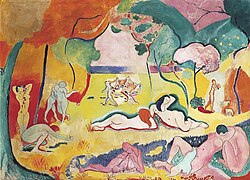
![Henri Matisse, The Dance, 1910, Hermitage Museum, St. Petersburg, Russia. At the beginning of the 20th century, Henri Matisse and several other young artists, including the pre-cubist Georges Braque, André Derain, Raoul Dufy and Maurice de Vlaminck revolutionized the Paris art world with "wild", multi-colored, expressive landscapes and figure paintings that the critics called Fauvism. Henri Matisse's second version of The Dance signifies a key point in his career and in the development of modern painting.[71]](/images/95/cc/95cca6e2c5641e97aa7e646bc17952fd95d7b3d4d6bedf2148dbe170a113b546.jpg)
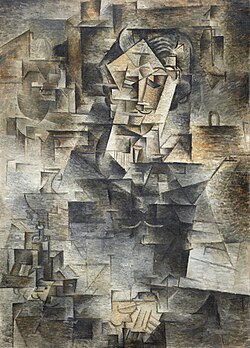
Simultaneously, Cubism emerged, led by Pablo Picasso. This style presented subjects from multiple points of view simultaneously, breaking objects into geometric shapes to challenge the traditional single-perspective view of the world.
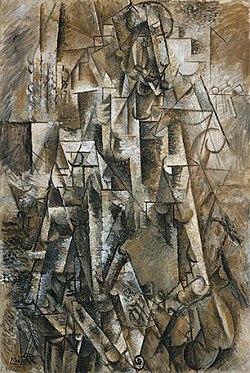
Other Early 20th Century Movements
Modernism branched into various directions, including the atmospheric works of Odilon Redon and the early abstract explorations of Piet Mondrian.
![Odilon Redon, Guardian Spirit of the Waters, 1878, charcoal on paper, Art Institute of Chicago. Describing his work, Redon explained, "My drawings inspire, and are not to be defined. They place us, as does music, in the ambiguous realm of the undetermined."[66]](/images/44/bc/44bc43d5627b1aa087dd32ca9b10b68cd7b29cba6b606b97f938c5b090fbb5f4.jpg)
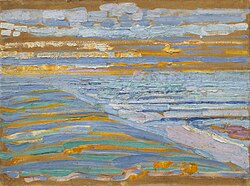
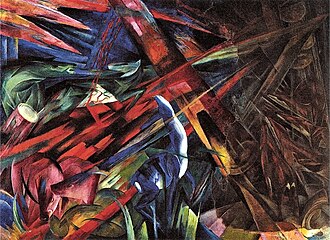
The movement also embraced Expressionism, as seen in the works of August Macke and Egon Schiele, and the bold visions of Franz Marc.
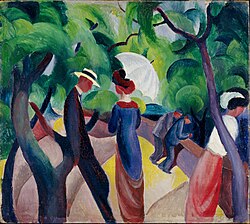
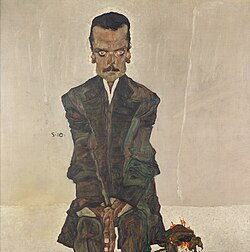
Modern Architecture
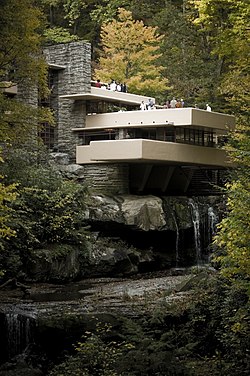
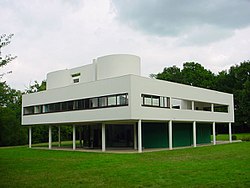
Architecture underwent a radical transformation, prioritizing function and clean lines over ornate decoration. Architects like Frank Lloyd Wright integrated structures with their natural surroundings, while Le Corbusier championed the "machine for living" concept.
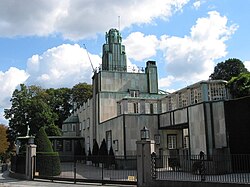
Other influential designs included the Stoclet Palace by Josef Hoffmann and the later, iconic Solomon Guggenheim Museum.
![Solomon Guggenheim Museum completed in 1959,[14] designed by the American architect Frank Lloyd Wright](/images/db/1f/db1fc571dc96d69cd0bd23e9fe87e07a6ca31b81a06fc8882091074bf345ecfd.jpg)
Evolution After 1945
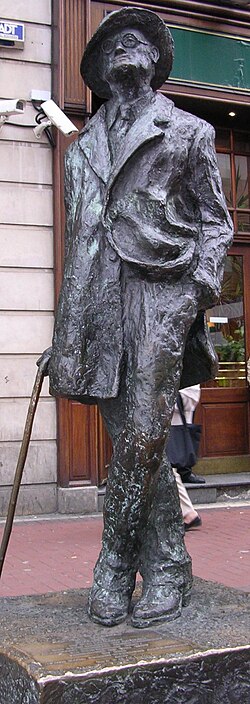
Abstract Expressionism and Pop Art
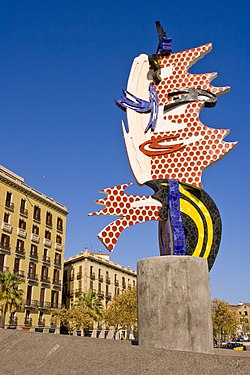
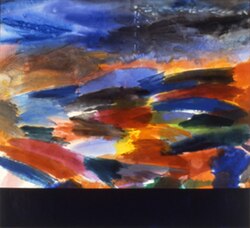
Following World War II, the center of the art world shifted. Abstract Expressionism emphasized spontaneous, non-representational creation. This was eventually followed by Pop Art, which drew inspiration from mass culture and commercial imagery, such as the use of Ben Day dots in sculpture.
Minimalism and New Media
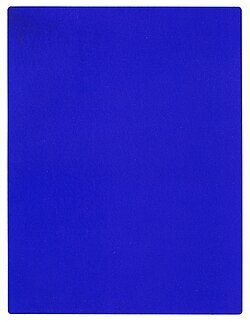
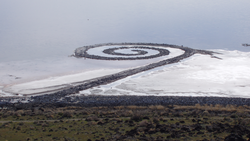
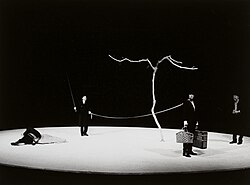
The latter half of the century saw the rise of Minimalism, which stripped art down to its most essential elements, and the emergence of performance art, happenings, and multimedia installations. This era also saw the rise of Land Art, where the environment itself became the medium.
By the late 20th century, movements like Stuckism emerged as a reaction against the perceived excesses of postmodern art.
Summary of Modernist Movements
| Movement | Primary Focus | Key Example/Figure |
|---|---|---|
| Fauvism | Bold, non-naturalistic colors | Henri Matisse |
| Cubism | Multiple perspectives, geometric forms | Pablo Picasso |
| Surrealism | Dream-like, subconscious imagery | André Masson |
| Modern Architecture | Functionality, minimalism, new materials | Le Corbusier / Frank Lloyd Wright |
| Pop Art | Mass culture and commercialism | Roy Lichtenstein |
Frequently Asked Questions
What is the difference between Modernism and Modernity?
Modernity refers to the sociological period beginning with industrialization, while Modernism is the specific cultural and artistic movement that responded to the conditions of modernity.
How did Cubism change art?
Cubism rejected the traditional perspective of a single viewpoint. Instead, it presented subjects from multiple angles simultaneously, breaking them into geometric components to represent a more complex reality.
What defines Modernist architecture?
Modernist architecture is characterized by a rejection of ornament, an emphasis on function, and the use of industrial materials like reinforced concrete, glass, and steel.
What is the relationship between Modernism and Postmodernism?
While Modernism sought universal truths and purity of form, Postmodernism often critiques these ideals, embracing irony, fragmentation, and a mixture of high and low cultural styles.
Who were the leaders of the Fauvist movement?
Henri Matisse was a central figure, along with other artists such as Georges Braque, André Derain, Raoul Dufy, and Maurice de Vlaminck.