Melusine von der Schulenburg: The Powerful Duchess of Kendal
In the intricate world of 18th-century European courts, few figures wielded as much unofficial power as Melusine von der Schulenburg. Beginning her journey as a Maid of Honour to Electress Sophia in 1690, she soon became the mistress of the Electoral Prince, George Louis. As George Louis ascended to power—first as the Elector of Hanover in 1698 and later as King George I of Great Britain in 1714—Melusine's influence grew alongside his authority.
Melusine accompanied the King to England, where she was granted an extraordinary series of titles that solidified her social standing. On July 18, 1716, she was created Duchess of Munster, Marchioness of Dungannon, Countess of Dungannon, and Baroness Dundalk in the Peerage of Ireland. Her status was further elevated on March 19, 1719, when she was named Duchess of Kendal, Countess of Feversham, and Baroness Glastonbury in the Peerage of Great Britain.
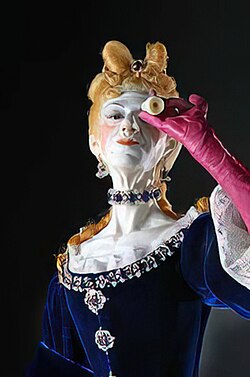
Political Influence and Social Standing
The extent of Melusine's power was so significant that it sparked persistent rumors of a secret marriage to King George I. This theory was bolstered in 1723 when the Holy Roman Emperor, Charles VI, created her the Princess of Eberstein. Robert Walpole, a dominant political figure of the era, famously remarked that she was "as much the queen of England as anyone was," particularly as George's legal wife, Sophia, had remained imprisoned since their divorce in 1694.
Beyond the court, Melusine was a formidable businesswoman. Operating primarily from Kendal House in Isleworth, Middlesex, she amassed wealth by selling public offices, titles, and patent rights. One of her most controversial ventures involved selling the privilege of supplying Ireland with a new copper coinage to William Wood, a merchant from Wolverhampton. The resulting flood of inferior coins prompted the famous Drapier's Letters written by Jonathan Swift.
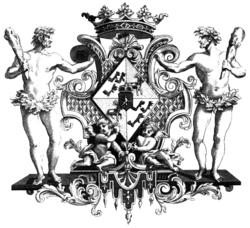
Financial and Political Leverage
Melusine's influence extended into high-level diplomacy and political appointments. Her ability to sway the King was highly valued; for instance, she received £10,000 (approximately £1.9 million in 2025) for facilitating the recall of Viscount Bolingbroke from exile.
Key Facts
- Titles: Held dukedoms in both the Peerage of Ireland (Munster) and the Peerage of Great Britain (Kendal).
- Nicknames: Known as "the Scarecrow" (Die Vogelscheuche) in Germany, "the Maypole" in England, and "the Goose" by the Jacobites.
- Residence: Lived primarily at Kendal House in Isleworth, Middlesex.
- Economic Impact: Sold the Irish copper coinage patent to William Wood, leading to political unrest.
- Political Power: Procured the recall of Viscount Bolingbroke for a fee of £10,000.
Family and Lineage
Melusine bore three illegitimate children with George I. To maintain social propriety, these children were officially attributed to Melusine's sisters.
| Child | Lifespan | Spouse | Official Parentage |
|---|---|---|---|
| Anna Luise Sophie | 1692–1773 | Ernest August Philipp von dem Bussche-Ippenburg | Gertrud von der Schulenburg |
| Petronilla Melusina | 1693–1778 | Philip Stanhope, 4th Earl of Chesterfield | Gertrud von der Schulenburg |
| Margarethe Gertrud | 1701–1726 | Albrecht Wolfgang, Count of Schaumburg-Lippe | Sophia Juliane von Oeynhausen |
Frequently Asked Questions
Was Melusine von der Schulenburg ever the Queen of England?
No, she was the King's mistress, not his wife. However, her immense influence led Robert Walpole to suggest she was effectively the queen, and her title as Princess of Eberstein fueled rumors of a secret marriage.
Why was she called "the Goose"?
This was a derogatory nickname used by the Jacobites (supporters of the exiled House of Stuart), most notably featured in the Scots ballad Cam Ye O'er Frae France.
How did she make her fortune?
She acquired wealth through the sale of public offices, titles, and patent rights, including the controversial copper coinage patent for Ireland.
Who were her children?
She had three daughters: Anna Luise Sophie, Petronilla Melusina, and Margarethe Gertrud. To hide their illegitimacy, they were officially recognized as the children of her sisters, Gertrud and Sophia Juliane.
What was her role in the Drapier's Letters controversy?
By selling the Irish copper coinage patent to William Wood, she enabled the distribution of low-quality coins in Ireland, which provoked Jonathan Swift to write his famous political pamphlets known as the Drapier's Letters.