Mediterranean Sea: Geography, History, and Marine Ecology
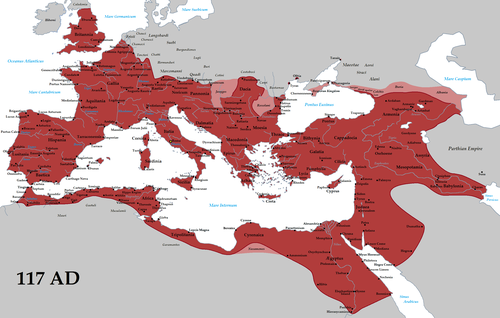
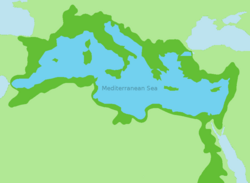
The Mediterranean Sea is a vast body of water that serves as a critical crossroads between three continents: Europe, Africa, and Asia. Known for its strategic importance and rich biodiversity, it is an enclosed sea with limited water exchange with the global ocean, creating a unique environment that has shaped human civilization for millennia.
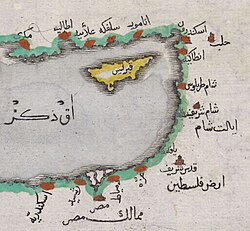
From the ancient Egyptian name Wadj-Wer to its role as a hub for modern global shipping and tourism, the Mediterranean is more than just a geographic feature; it is a complex system of marginal seas, islands, and diverse ecosystems.
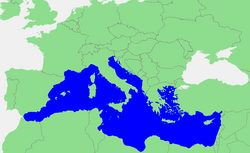
Key Facts
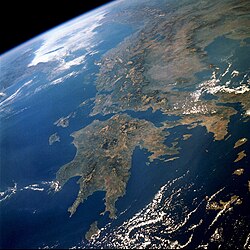
- Surface Area: Approximately 2,500,000 km².
- Maximum Depth: 5,109 meters.
- Average Depth: 1,500 meters.
- Water Volume: 3,750,000 km³.
- Islands: Over 3,300 islands and islets.
- Residence Time: Water typically remains in the basin for 80 to 100 years.
Geography and Basin Structure
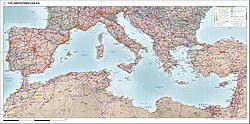
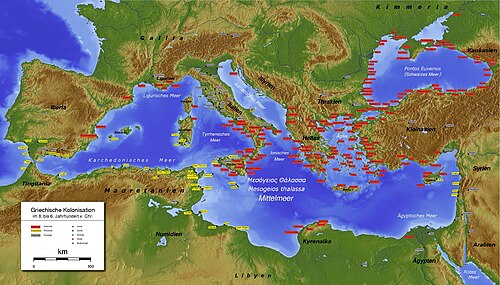
The Mediterranean is divided into two primary regions: the Western Basin and the Eastern Basin. The Western Basin is bounded by Cape Trafalgar in Spain and Cape Spartel in Africa, while the Eastern Basin extends to the coasts of Lebanon, Syria, Israel, and Palestine, and is bounded to the northeast by the Dardanelles.
Marginal Seas
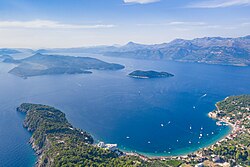
The Mediterranean is composed of 15 marginal seas, which are smaller seas that are part of the larger basin. These include the Libyan Sea (the largest at 350,000 km²), the Levantine Sea, the Tyrrhenian Sea, and the Adriatic Sea, among others.
Major Islands
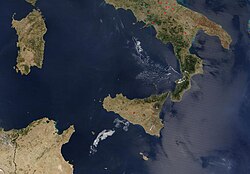
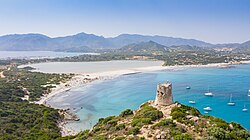
The region is home to thousands of islands, the largest being Sicily and Sardinia (both belonging to Italy), followed by Cyprus, Corsica (France), and Crete (Greece).
Hydrography and Oceanography
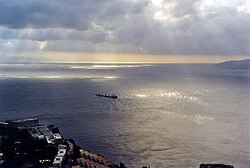
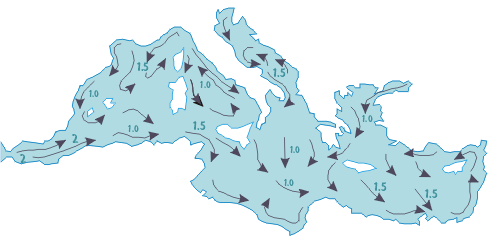
The Mediterranean is primarily fed by the Atlantic Ocean through the Strait of Gibraltar. This net water influx is approximately 70,000 m³/s. Without this constant replenishment, the sea level would drop by about 1 meter per year due to evaporation.
Water Circulation and Temperature
The sea's temperature varies significantly by location and season, ranging from a minimum of 12°C to a maximum of 28°C. For example, cities like Antalya and Mersin experience warmer annual averages (above 21°C) compared to Venice or Barcelona.
Geological History and Biodiversity
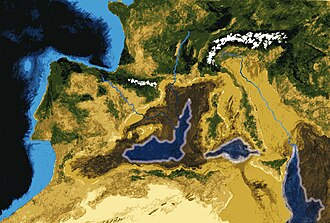
One of the most significant events in the sea's history is the Messinian salinity crisis, a period when the Mediterranean experienced extreme desiccation (drying out) before the Zanclean flood restored its connection to the Atlantic.
Marine Life and Invasive Species
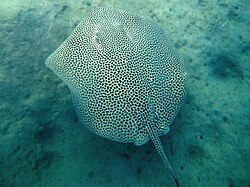
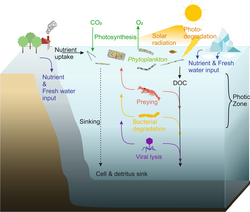
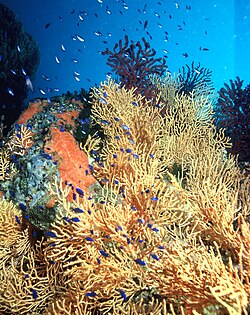
The Mediterranean supports a wide array of life, from soft corals like Eunicella cavolini to various phytoplankton. However, the sea is currently experiencing Lessepsian migration—the movement of marine species from the Red Sea to the Mediterranean through the Suez Canal, such as the reticulate whipray.
Human Impact and Environmental Challenges
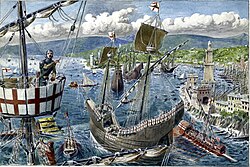
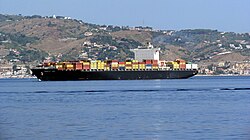
As one of the most visited and navigated regions in the world, the Mediterranean faces several environmental threats. These include pollution from shipping, overfishing, and the impact of marine heatwaves on biodiversity.
Tourism and Economy
Tourism is a primary economic driver for coastal nations. In 2019, Turkey alone ranked sixth globally in international tourist arrivals, welcoming 51.2 million visitors.
![Kemer Beach in Antalya on the Turkish Riviera (Turquoise Coast). In 2019, Turkey ranked sixth in the world in terms of the number of international tourist arrivals, with 51.2 million foreign tourists visiting the country.[201]](/images/1d/39/1d39b59f82142220ce3dcb4ff287fa4e88f4353a3fb1d3968123ca09d175f37c.jpg)
Mediterranean Summary Table
| Feature | Value/Detail |
|---|---|
| Total Surface Area | 2,500,000 km² |
| Average Depth | 1,500 m |
| Primary Inflow | Strait of Gibraltar |
| Primary Outflows | Strait of Gibraltar, Dardanelles |
| Number of Islands | 3,300+ |
| Temperature Range | 12°C to 28°C |
Frequently Asked Questions
What is the Messinian salinity crisis?
It was a geological event where the Mediterranean Sea became partially or completely desiccated due to the closure of its connection to the Atlantic Ocean, leading to massive salt deposits before being refilled by the Zanclean flood.
What is Lessepsian migration?
Lessepsian migration refers to the migration of marine species from the Red Sea to the Mediterranean Sea via the man-made Suez Canal.
Which countries have the largest Exclusive Economic Zones (EEZ) in the Mediterranean?
Italy and Greece possess the largest exclusive economic zones, with Italy covering 541,915 km² and Greece covering 493,708 km².
How does the Mediterranean maintain its water level?
The sea maintains its level through a net influx of water from the Atlantic Ocean via the Strait of Gibraltar, which offsets the water lost to evaporation.
What are the largest islands in the Mediterranean?
The largest islands are Sicily and Sardinia (Italy), followed by Cyprus and Crete.