Sardinia: A Journey Through Mediterranean History, Culture, and Landscapes
Located in the heart of the Mediterranean, Sardinia (known locally as Sardegna) is an autonomous region of Italy that offers a profound connection to the ancient past. With a total area of 24,100.02 km², this island is a mosaic of rugged mountains, rolling hills, and diverse linguistic traditions. From the mysterious megalithic structures of the Nuragic civilization to the vibrant modern economy driven by tourism, Sardinia remains one of Europe's most unique cultural landscapes.
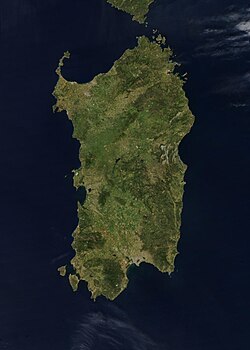
Key Facts
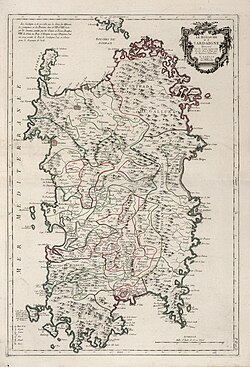
- Capital: Cagliari
- Population: Approximately 1,554,490 (2026 estimate)
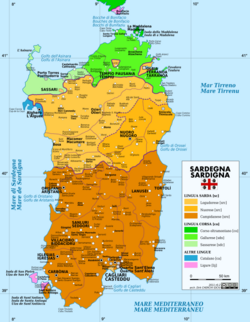
- Languages: Italian and Sardinian (with minority languages including Sassarese, Gallurese, Ligurian, and Catalan)
- GDP (2024): €43.468 billion
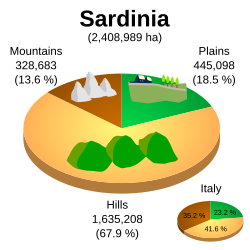
- Topography: 67.9% hilly, 18.5% flat, and 13.6% mountainous
- Administrative Status: Autonomous Region of Italy
A Deep Historical Tapestry
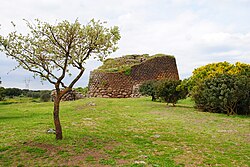
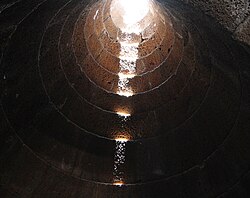
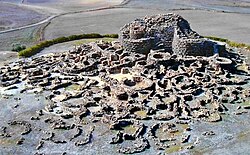
The history of Sardinia is defined by successive waves of civilization, each leaving an indelible mark on the island's identity. The Nuragic civilization, an ancient culture known for its sophisticated stone structures, laid the foundational heritage of the island.
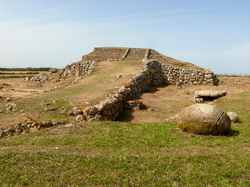
Prehistory and Ancient Civilizations
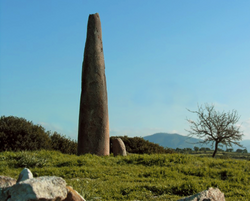
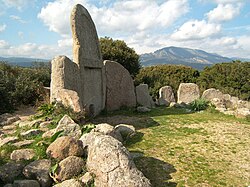
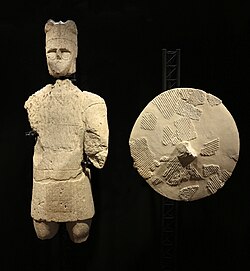
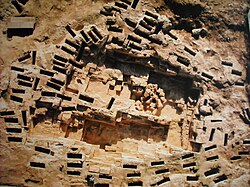
Archaeological sites such as the prehistoric megalithic temple of Monte d'Accoddi and the various Nuraghi—complex stone edifices—showcase the advanced engineering of early inhabitants. The island's landscape is dotted with menhirs, such as the 5.75-meter-high Monte Corru Tundu Menhir, and "Giants' graves," which served as significant funerary sites during the Bronze Age.
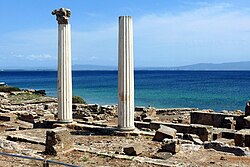
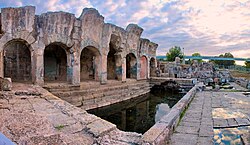
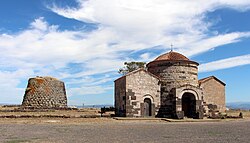
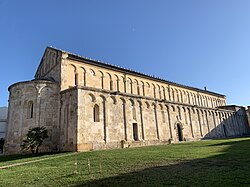
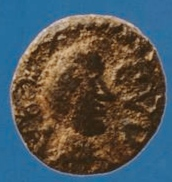
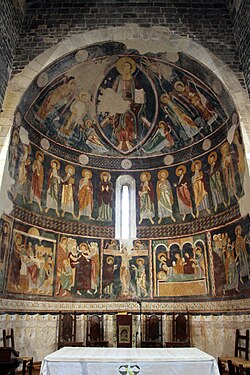
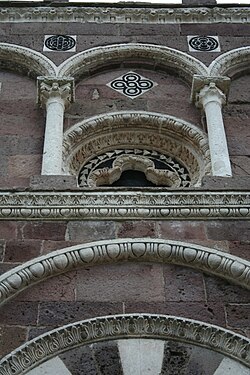
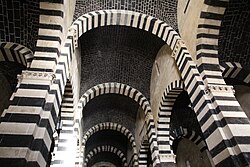
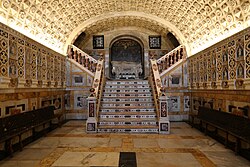
Following the prehistoric eras, Sardinia was influenced by various Mediterranean powers. The Phoenicians and Romans established significant settlements, such as the town of Tharros, while later periods saw the influence of the Vandals, Byzantines, and eventually the Aragonese and Spanish empires. These eras shaped the island's architecture, from Roman thermae (public baths) to medieval basilicas and Byzantine churches.
The Middle Ages and the Judicates
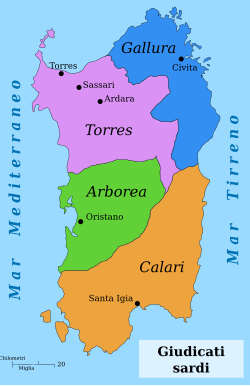
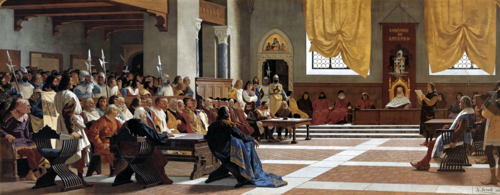
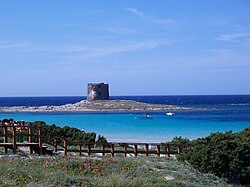
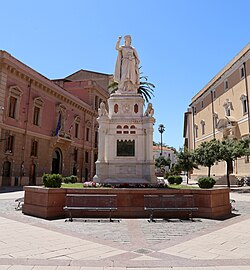
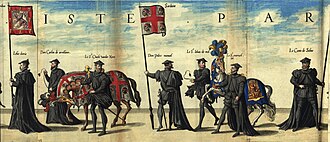
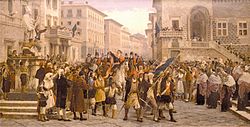
During the Byzantine era, the rise of the Judicates—independent kingdoms—marked a distinct period in Sardinian political history. This was followed by centuries of shifting allegiances involving the Republic of Sassari and various Spanish influences, which can still be seen in the coastal towers and historical monuments across the island.
Geography and Natural Wonders
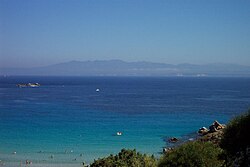
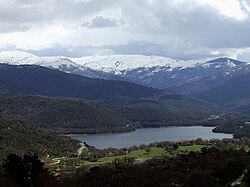
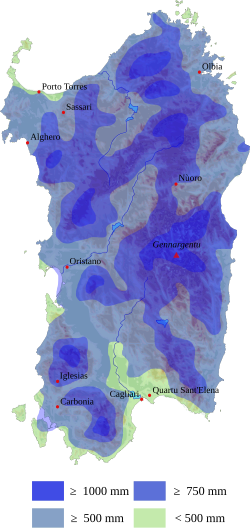
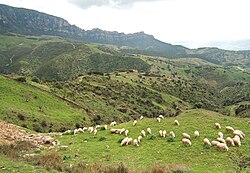
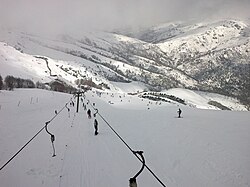
Sardinia's geography is remarkably varied. While much of the island is composed of hills, the Gennargentu massif stands as the highest point, providing a dramatic contrast to the coastal regions. The island's climate varies significantly depending on elevation and location, ranging from the coastal warmth of Cagliari to the cooler, more temperate conditions of mountainous areas like Fonni.
Flora, Fauna, and Protected Parks
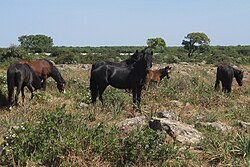
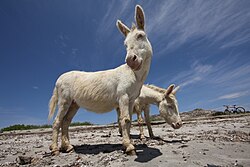
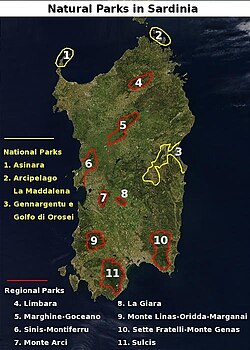
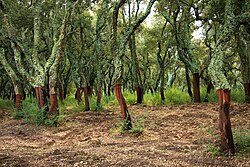
The island is home to diverse ecosystems, protected by three national parks and ten regional parks. These reserves safeguard unique species, such as the Giara horses, the Albino donkeys of Asinara, and the Sardinian feral cat. The Sulcis Regional Park, for instance, contains the largest Mediterranean evergreen forest in the Mediterranean Basin.
![The Sardinian feral cat, long considered a subspecies of the African wildcat, are descended from domesticated cats.[134]](/images/f4/1f/f41f31d44a8795d55d00615696509d7ae95487612687744a84474fbcfe41bd8f.jpg)
![Sulcis Regional Park, the largest Mediterranean evergreen forest in the Mediterranean Basin.[144]](/images/88/66/88661c0fb3d0be08aa47555474a2b0b3cc34e9f71347f279d561e6ef1e547358.jpg)
Modern Economy and Culture
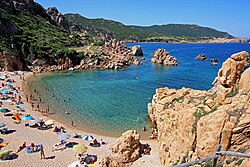
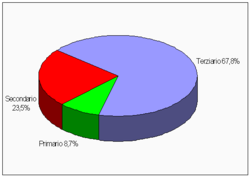
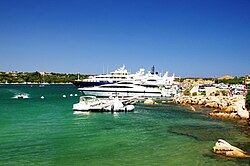
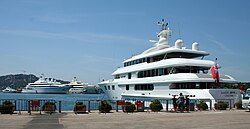
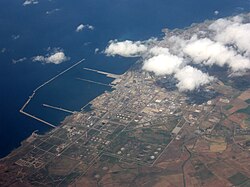
Today, Sardinia's economy is a blend of traditional sectors and modern industries. While agriculture, fishing, and farming remain important, the tertiary sector—encompassing tourism, services, and finance—is a major driver of growth. Luxury tourism, particularly in areas like the Costa Smeralda, has been a significant source of income since the 1960s.
Linguistic and Culinary Heritage
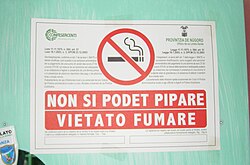
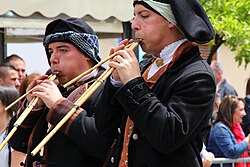
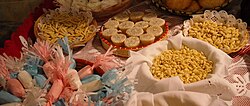
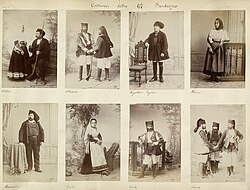
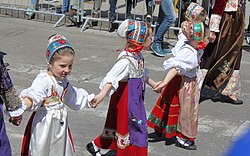
Culture in Sardinia is expressed through its unique languages and traditions. The Sardinian language remains a vital part of the identity, often appearing alongside Italian in daily life. This cultural richness extends to the cuisine, which features a wide array of traditional cakes, pastries, and local dishes that reflect the island's agricultural roots.
| Economic Activity | GDP (mil. €) | % of Sector |
|---|---|---|
| Agriculture, farming, fishing | 908 | 3% |
| Industry | 2,828 | 9.4% |
| Constructions | 1,722 | 5.7% |
| Commerce, hotels, transport, services | 7,597 | 25.4% |
| Financial activity and real estate | 8,011 | 26.7% |
| Other service-related activities | 8,896 | 29.7% |
Frequently Asked Questions
What are the main languages spoken in Sardinia?
The primary languages are Italian and Sardinian. There are also several minority languages including Sassarese, Gallurese, Ligurian (Tabarchino), and Catalan (Algherese).
What is the Nuragic civilization?
The Nuragic civilization was an ancient culture that inhabited Sardinia, famous for constructing nuraghi—complex, prehistoric stone towers and structures.
How is the Sardinian economy structured?
The economy is heavily driven by the tertiary sector (tourism and services), which accounts for a large portion of the GDP, alongside industry and the primary sector (agriculture and fishing).
What is the climate like in Sardinia?
The climate varies by location. Coastal areas like Cagliari experience warm Mediterranean temperatures, while higher elevations like Fonni are significantly cooler with higher average rainfall.
What are the main tourist attractions?
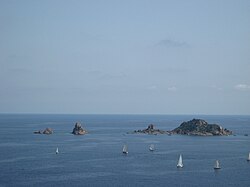
Key attractions include the archaeological sites (Nuraghi and megalithic temples), the beautiful coastline (such as Costa Smeralda), and various national and regional parks.