Marines and Naval Infantry: Evolution of Amphibious Warfare
Marines, also known as naval infantry, are specialized military personnel trained to operate seamlessly across both land and sea. Their primary expertise lies in amphibious warfare—the coordinated transition of military forces from naval vessels to shorelines to secure beachheads or conduct raids.
Historically, the role of the marine was defined by the needs of the ship. They were tasked with raiding enemy shores to support naval objectives and boarding opposing vessels during ship-to-ship combat. Beyond combat, marines served a critical internal function: maintaining security and discipline aboard ships to prevent mutiny among crews who were often pressed into service.
In the modern era, these forces have evolved into versatile rapid-response units. While they still specialize in amphibious assaults, they now engage in humanitarian aid, disaster relief, counter-terrorism, and high-stakes special operations.
Depending on the nation, marines are organized differently. In the United Kingdom, the Royal Marines are part of the navy. In France, the Troupes de marine are integrated into the land army. In the United States and Ukraine, the Marine Corps exists as an independent military branch.
Key Facts
- Oldest Force: The Spanish Navy Marines (Infantería de Marina), established in 1537, are the oldest existing marine force in the world.
- Primary Mission: Specialization in amphibious warfare and the transition from sea to land.
- Diverse Roles: Modern duties include rapid response, disaster relief, and counter-terrorism.
- Organizational Variety: Can be part of a navy, an army, or a standalone military branch.
- Historical Utility: Originally used for ship boarding and maintaining order among sailors.
The History of Naval Infantry
Ancient Origins
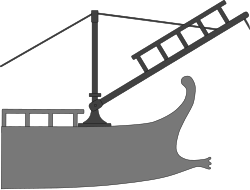
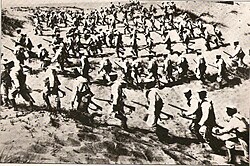
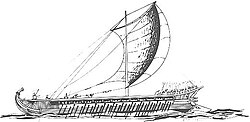
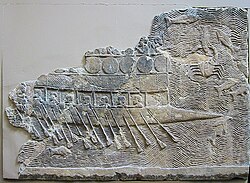
In early naval warfare, the line between sailor and soldier was blurred. In Ancient Greece and Rome, oarsmen were expected to fight hand-to-hand. Over time, the Greeks began deploying hoplites (heavy infantry) specifically to lead the boarding of enemy ships.
The Rise of Organized Corps
The first organized marine corps emerged in Venice under Doge Enrico Dandolo, who created a regiment of ten companies. This force played a pivotal role in the conquest of Byzantium between 1203 and 1204. By 1550, they were officially termed "Fanti da Mar" (sea infantry). Venice also utilized the Oltremarini, overseas troops recruited primarily from Dalmatia.
Evolution in Europe and the Americas
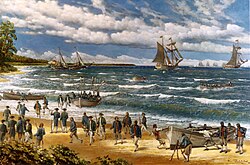
The 17th century saw a surge in professional marine units. The English established the Royal Marines in 1664, and the Dutch Republic founded the Regiment de Marine in 1665. In the Americas, the Continental Congress formed the Continental Marines on November 10, 1775, to support the American Revolutionary War.
Global Marine Forces and Organizations
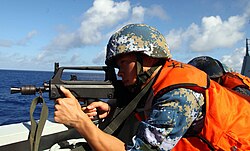
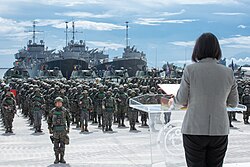
Different nations have adapted marine forces to meet their specific geographic and political needs. Some maintain these forces for coastal defense, while others use them as expeditionary tools for global power projection.
European Forces
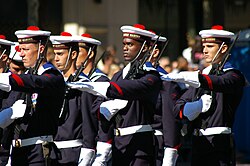
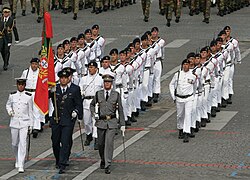
- Spain: The Infantería de Marina is renowned for its longevity and the red trouser stripes awarded for the defense of Havana in 1762.
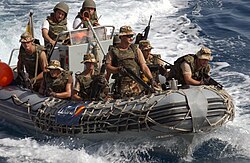
Spanish Navy marines - Netherlands: The Korps Mariniers (est. 1665) operates a brigade of approximately 2,300 personnel, including the NLMARSOF special forces branch.
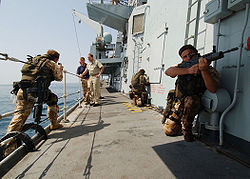
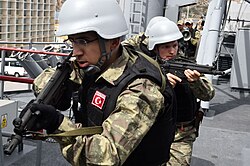
Boarding procedures demonstrated by the British Royal Marines - France: The Troupes de marine have historically served as the primary overseas and colonial forces of the French military.
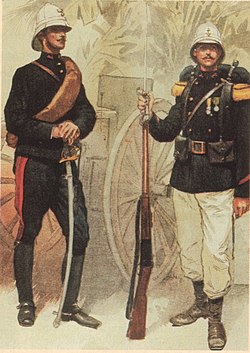
Troupes de marine - Finland: Employs Coastal Jaegers for amphibious landings.
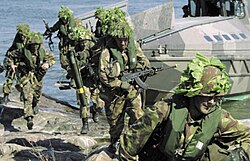
Finnish Coastal Jaegers conducting an amphibious landing
Americas and Asia-Pacific
- United States: Operates as an independent branch with a global reach.
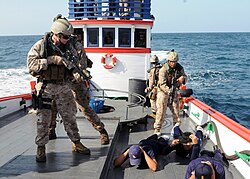
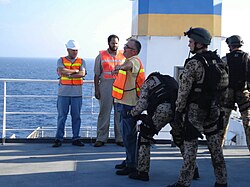
U.S. Marines Fleet Anti-terrorism Security Team conducting an exercise aboard a fishing vessel - Bolivia: Despite being landlocked, Bolivia maintains a naval force of about 2,000 naval infantry personnel as part of its aspiration to regain coastline access.
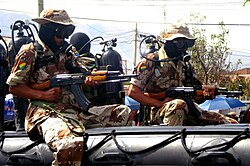
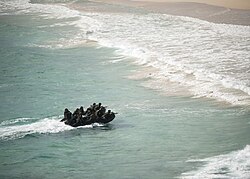
Scuba-equipped Bolivian marines aboard an inflatable boat - Brazil & Chile: Both maintain strong naval infantry capabilities for regional security.
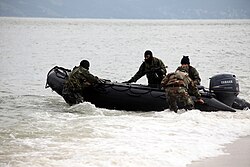
Brazilian marines 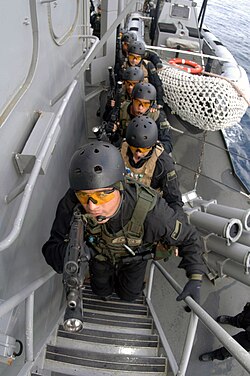
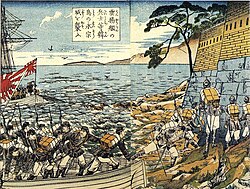
Chilean Navy special forces - Japan: Utilizes the Amphibious Rapid Deployment Brigade for rapid deployment.
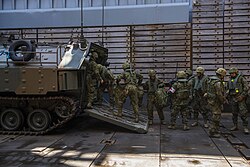
Japanese marines from the Amphibious Rapid Deployment Brigade preparing to deploy from USS Ashland - South Korea: Maintains the Republic of Korea Marine Corps for peninsula defense.
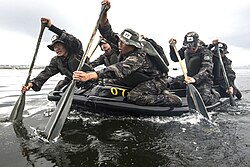
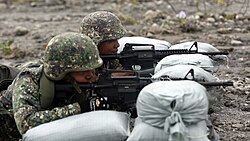
Trainees of the Republic of Korea Marine Corps in 2014. - Thailand: The Royal Thai Marine Corps, founded in 1932 with U.S. assistance, now consists of four brigades.
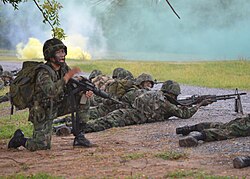
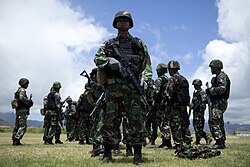
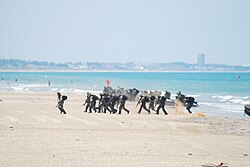
Royal Thai Marines during an amphibious assault as part of CARAT 2011
Other Notable Forces
- India: Employs the MARCOS for specialized maritime operations.
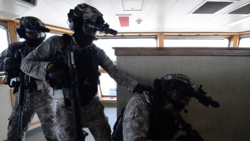
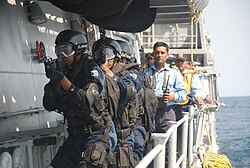
Indian MARCOS performing a simulated exercise at RIMPAC 2022 - Ukraine: The Ukrainian Marine Corps was elevated to a full service branch of the Armed Forces in May 2023.
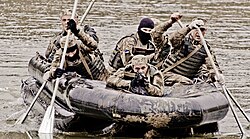
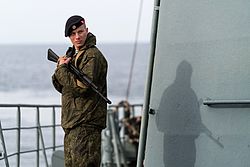
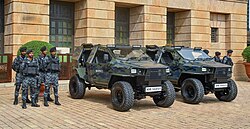
Ukrainian naval infantry - Pakistan: Maintains a large corps with 20,000 to 30,000 personnel based at PNS Qasim.
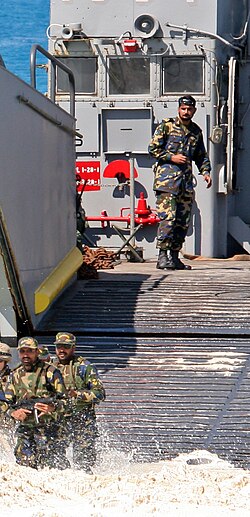
Pakistani marines
Summary of Marine Force Characteristics
| Country | Force Name | Organizational Status | Key Characteristic |
|---|---|---|---|
| Spain | Infantería de Marina | Navy | Oldest existing marine force (1537) |
| United States | US Marine Corps | Independent Branch | Global expeditionary capability |
| France | Troupes de marine | Army | Historically focused on colonial/overseas roles |
| Bolivia | Naval Infantry | Navy | Maintained by a landlocked nation |
| Ukraine | Ukrainian Marine Corps | Independent Branch | Elevated to service branch in 2023 |
Frequently Asked Questions

What is the difference between a marine and a sailor?
While sailors primarily operate the ship and its systems, marines are soldiers trained specifically for land combat and amphibious operations, often serving as the ship's security force or the primary landing force for shore assaults.
Which country has the oldest marine force?
Spain holds this distinction; the Spanish Navy Marines (Infantería de Marina) were established on February 27, 1537.
Can a landlocked country have marines?
Yes. For example, Bolivia maintains a naval force including approximately 2,000 naval infantry personnel due to its political aspirations to regain access to the Pacific coast.
What are the primary modern roles of marines?
Beyond traditional amphibious assaults, modern marines perform rapid-response operations, counter-terrorism, special operations, and provide humanitarian aid and disaster relief.
Are marines always part of the navy?
No. While common, they can be part of the army (as in France) or exist as a completely independent military branch (as in the United States and Ukraine).