Maratha Light Infantry: A Legacy of Courage and Duty
The Maratha Light Infantry is one of the most distinguished regiments of the Indian Army, embodying a storied history of bravery and tactical excellence. Established in 1768, this Light Infantry unit—specialized troops trained for rapid movement and skirmishing—has served across the globe, from the deserts of North Africa to the jungles of Burma.
Guided by the motto "Duty, Honour, Courage" and the war cry "Sinhgad", the regiment continues to be a cornerstone of India's national security, maintaining a tradition of valor that spans over two and a half centuries.
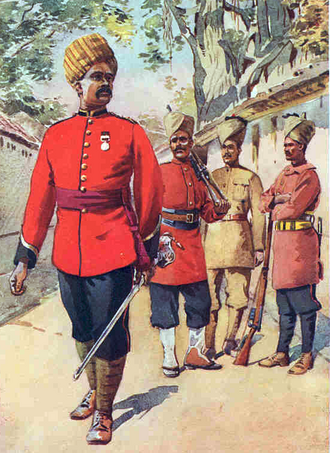
Key Facts
- Active Since: 1768
- Regimental Centre: Belgaum, Karnataka
- Primary Recruitment: Marathas (86%), Mysurians (4.16%), and Muslims of South India (4.16%)
- Role: Light Infantry
- Current Colonel of the Regiment: Lt Gen Hitesh Bhalla AVSM, SC, SM
Historical Evolution
Pre-Independence Service
Before India's independence, the regiment saw extensive global deployment. Its battalions were instrumental in campaigns across diverse terrains, including East Africa, Italy, Iraq, Persia, and North Africa. Notably, the 4th, 6th, and 17th battalions operated in Burma, while the 4th and 6th battalions also served in Java.
Post-Independence and Modern Era
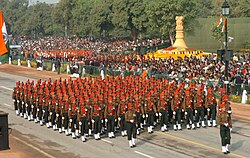
Following 1947, the Maratha Light Infantry integrated into the sovereign Indian Army, continuing its legacy of excellence in national defense. The regiment has expanded its operational capabilities, including the raising of specialized units and the integration of Territorial Army battalions.
Regimental Structure and Units
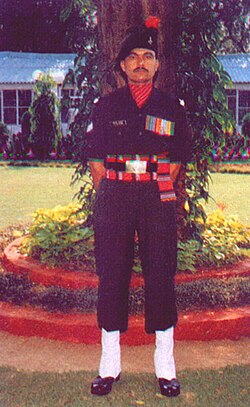
The regiment is composed of numerous battalions, some of which carry distinct nicknames and honors. For instance, the 11th Battalion is known as Aakramak Akraa, and the 16th Battalion is titled the Ashok Chakra Paltan, named after Colonel NJ Nair, who was posthumously awarded the Ashok Chakra in 1994.
Battalion Overview
| Battalion | Raising Date | Notable Remarks |
|---|---|---|
| 1st & 2nd Battalions | 1768 | Founding units of the regiment |
| 4th & 5th Battalions | 1800 | Early 19th-century expansions |
| 11th Battalion | - | Nicknamed "Aakramak Akraa" |
| 16th Battalion | - | Known as "Ashok Chakra Paltan" |
| 18th Battalion | 1976 | Raised by Lt Col Mohammad Ahmed Zaki |
| 23rd Battalion | - | Nicknamed "Teevra Teivees" |
Beyond its primary battalions, the regiment is affiliated with several elite units, including the 2nd and 21st Battalions of the Parachute Regiment (Special Forces), the 10th Battalion of the Mechanised Infantry Regiment, and assets within the Indian Navy (INS Mumbai) and Indian Air Force (No. 20 Squadron).
Battle Honours and Gallantry
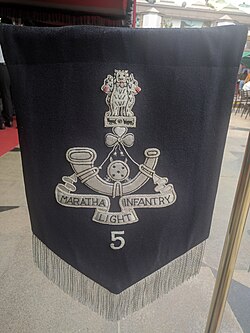
The Maratha Light Infantry has earned a vast array of battle honours. Pre-independence honours include campaigns in Mysore, Seringapatam, Afghanistan, and the Siege of Tobruk. Post-independence, the regiment has been recognized for its bravery in actions at Naushera, Jhangar, Burki, Hussainiwala, Jamalpur, Burj, and Suadih.
Distinguished Awards
The regiment's bravery is reflected in its high number of gallantry awards. In the pre-independence era, soldiers like Naik Yeshwant Ghadge and Sepoy Namdeo Jadav were awarded the Victoria Cross. In the modern era, the regiment has received multiple Ashok Chakras, Maha Vir Chakras, and Kirti Chakras.
Notable Personnel
The regiment has produced several high-ranking military leaders, most notably General Joginder Jaswant Singh, who served as the 21st Chief of Army Staff. Other distinguished officers include Lt Gen T B Henderson Brooks and Lt Gen Hari Prasad, both of whom served as General Officer Commanding-in-Chief of major commands.
Frequently Asked Questions
When was the Maratha Light Infantry established?
The regiment was established in 1768, making it one of the oldest infantry regiments in the Indian Army.
Where is the Regimental Centre located?
The Regimental Centre of the Maratha Light Infantry is located in Belgaum, Karnataka.
What is the recruitment composition of the regiment?
The regiment primarily recruits Marathas (86%), with smaller percentages of Mysurians (4.16%) and Muslims from South India (4.16%).
What are some of the regiment's post-independence battle honours?
Post-independence battle honours include Naushera, Jhangar, Burki, Hussainiwala, Jamalpur, Burj, and Suadih.
Which battalion is known as the Ashok Chakra Paltan?
The 16th Battalion is nicknamed the Ashok Chakra Paltan in honor of Colonel NJ Nair, who received the Ashok Chakra posthumously in 1994.