India Medal (1895–1902)
The India Medal was a distinguished campaign medal established in 1896 by the United Kingdom of Great Britain and Ireland. It was designed to recognize the service of officers and personnel within the British and Indian armies who participated in various military operations across India, primarily focusing on the volatile North-West Frontier between 1895 and 1902.
Replacing the earlier India General Service Medal (1854), this award served as a testament to the bravery and endurance of soldiers engaged in several minor but strategically significant campaigns. The medal is characterized by its specific clasps, which denote the particular engagements in which the recipient served.
Key Facts
- Established: 1896
- Period of Service: 1895–1902
- Eligible Recipients: British and Indian forces, including native bearers and servants.
- Materials: Silver (for soldiers) and Bronze (for native bearers and servants).
- Physical Dimensions: 36mm diameter disk.
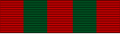
- Ribbon: 32mm wide with five equal stripes of red and green.
Design and Physical Characteristics
The medal's design varies depending on the period of award and the rank of the recipient. The obverse (the front side) features the profile of the reigning monarch. Medals issued for earlier campaigns depict Queen Victoria, while those awarded for the Waziristan 1901–02 campaign feature King Edward VII.
The reverse, designed by G. W. de Saulles, portrays a British soldier and an Indian soldier together carrying a standard. Most versions include the inscription "India 1895," though the version featuring King Edward VII omits the date. To ensure individual recognition, the recipient's name and specific details were typically engraved in running script along the edge of the medal.
Ribbon and Clasps
The medal is suspended from a 1.25-inch (32 mm) wide ribbon consisting of five equal vertical stripes in a red-green-red-green-red pattern. The specific campaigns are identified by clasps (metal bars attached to the ribbon), of which seven were officially sanctioned.
Campaign Clasps and Timeline
The India Medal was awarded for seven distinct operations. Each clasp represents a specific window of military activity on the frontier.
| Clasp Name | Service Period | Notes |
|---|---|---|
| Defence of Chitral 1895 | 3 March – 13 April 1895 | Early campaign phase |
| Relief of Chitral 1895 | 7 March – 15 August 1895 | Relief operations |
| Punjab Frontier 1897–98 | 10 June 1897 – 6 April 1898 | Frontier security |
| Malakand 1897 | 26 July – 2 August 1897 | Awarded for the Siege of Malakand |
| Samana 1897 | 2 August – 2 October 1897 | Frontier operations |
| Tirah 1897–98 | 2 October 1897 – 6 April 1898 | Frontier operations |
| Waziristan 1901–02 | 23 November 1901 – 10 March 1902 | Featured King Edward VII on obverse |
Frequently Asked Questions
Who was eligible to receive the India Medal?
The medal was available to officers and men of both the British and Indian armies. Additionally, native bearers and servants were eligible, though they received the medal in bronze rather than silver.
What is the difference between the Queen Victoria and King Edward VII versions?
The primary difference is the portrait on the obverse. The Queen Victoria version was issued for earlier campaigns, while the King Edward VII version was specifically for the Waziristan 1901–02 campaign and omits the "1895" date on the reverse.
How can you tell which campaign a recipient served in?
Campaigns are identified by the clasps attached to the ribbon. There were seven sanctioned clasps, ranging from the Defence of Chitral in 1895 to Waziristan in 1902.
What material was used for the medal?
The medal was struck in silver for soldiers of the British and Indian armies, and in bronze for native servants and bearers.
What does the reverse of the medal depict?
The reverse, designed by G. W. de Saulles, shows a British soldier and an Indian soldier together carrying a standard, symbolizing the joint effort of the two forces.