Maniraptora: The Evolutionary Bridge to Modern Birds
The Maniraptora are a sophisticated clade of coelurosaurian dinosaurs that represent the closest non-avian relatives to modern birds. Spanning from the Middle Jurassic to the present day (approximately 165 to 0 million years ago), this group encompasses a diverse array of creatures, from the fearsome dromaeosaurids to the living birds that populate our skies today. The name Maniraptora, meaning "hand snatchers," highlights one of their most defining characteristics: highly specialized forelimbs adapted for grasping.
Key Facts
- Temporal Range: Middle Jurassic to the present (165–0 Ma).
- Defining Feature: A semi-lunate (half-moon shaped) bone in the wrist.
- Diversity: Includes Avialae (birds), Dromaeosauridae, Troodontidae, Oviraptorosauria, and Therizinosauria.
- Dietary Shift: Ancestrally omnivorous, with various lineages evolving into pure herbivores or hypercarnivores.
- Flight: The only dinosaur group known to include members capable of powered or gliding flight.
Anatomical Characteristics
Maniraptorans are primarily identified by their long arms and three-fingered hands. A critical anatomical marker is the semi-lunate carpal, a half-moon shaped bone in the wrist that allowed for the folding of the hand, a precursor to the avian wing. Additionally, they possess a fused trochanteric crest in the femur and a reduced or absent olecranon process of the ulna.
One of the most intriguing aspects of maniraptoran evolution is the structure of the hip. While most saurischian dinosaurs have pubic bones that point forward, several maniraptoran groups—including therizinosaurs, dromaeosaurids, and avialans—evolved a backward-pointing hip. Scientists believe that the forward-pointing hips seen in advanced troodontids and oviraptorosaurs are actually evolutionary reversals from ancestors who had already developed the backward-pointing trait.
Feathers and the Origin of Flight
The evolution of feathers within Maniraptora progressed from simple downy filaments to complex pennaceous feathers (stiff-shafted feathers with interlocking vanes). While primitive members like Beipiaosaurus exhibited a mix of down and elongated quills, the group Aviremigia developed the remiges (flight feathers) necessary for aerial locomotion.
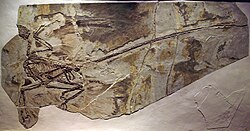
Flight is a hallmark of this clade, though its exact origin remains a subject of scientific debate. Powered or gliding flight is attributed to non-avian paravians, such as Microraptor and Rahonavis. Interestingly, some dinosaurs like Zhenyuanlong suni possessed the wing structures required for flight despite being too heavy to actually fly, suggesting they descended from aerial ancestors.
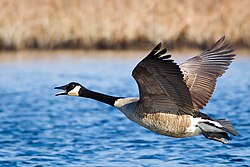
Other groups, such as the Oviraptorosauria, possessed tail fans of feathers and a pygostyle-like anatomy, though they are not confirmed as flyers. Some paleontologists suggest that even the Therizinosauria and Alvarezsauroidea may have descended from ancestors capable of flight.
Classification and Diversity
Originally named by Jacques Gauthier in 1986, Maniraptora is defined as all dinosaurs more closely related to birds than to Ornithomimus velox. This broad group is further divided into several key lineages:
- Avialae: The lineage leading to modern birds.
- Dromaeosauridae: The "raptors," known for their sickle-shaped claws.
- Troodontidae: Bird-like dinosaurs often noted for their intelligence.
- Oviraptorosauria: Beaked dinosaurs, some of which had elaborate crests.
- Therizinosauria: Large, often herbivorous dinosaurs with massive claws.
Within this group, the clade Pennaraptora describes the common ancestor of oviraptorosaurs, dromaeosaurids, and modern birds, emphasizing the shared evolution of bird-like feathers and predatory habits.
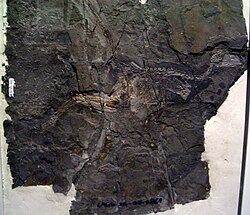
Paleobiology: Diet and Reproduction
Recent discoveries have overturned the long-held belief that maniraptorans were exclusively meat-eaters. Evidence now suggests the ancestral maniraptoran was likely omnivorous. From this baseline, different groups specialized: therizinosaurs and primitive oviraptorosaurs became herbivores, while dromaeosaurids reverted to hypercarnivory (eating primarily vertebrates). Alvarezsaurids and some early birds specialized in eating insects.
Reproductive studies also reveal a divide between non-avian maniraptorans and modern birds. Analysis of Troodon eggshells indicates a slow calcification process similar to modern reptiles, rather than the rapid calcification seen in birds. This suggests that non-avian maniraptorans likely had two functional ovaries, limiting the number of eggs they could produce compared to the single functional ovary of modern birds.
| Group | Primary Diet | Key Feature | Flight Ability |
|---|---|---|---|
| Avialae | Varied | Fully developed wings | Yes (mostly) |
| Dromaeosauridae | Hypercarnivorous | Sickle-shaped toe claw | Some (gliding/powered) |
| Therizinosauria | Herbivorous | Massive foreclaws | No |
| Oviraptorosauria | Omnivorous | Toothless beaks | No (likely) |
| Troodontidae | Omnivorous | Large brain-to-body ratio | No |
Frequently Asked Questions
What does the name Maniraptora mean?
The name is derived from Latin, meaning "hand snatchers," referring to their long forelimbs and specialized hands used for grasping prey or objects.
Did all maniraptorans have feathers?
It appears that some form of feathers or down-like integument was present in all maniraptorans, at least during their juvenile stages, though the complexity of these feathers varied by species.
Were all maniraptorans carnivores?
No. While some were hypercarnivores, evidence suggests the ancestral maniraptoran was omnivorous, and several groups, such as the therizinosaurs, evolved to be primarily herbivorous.
How do maniraptorans differ from other theropods?
They are distinguished by their long arms, three-fingered hands, and specifically the semi-lunate carpal bone in the wrist, which is not found in more primitive theropods.
Could non-avian maniraptorans fly?
Yes, some non-avian members of the paravian group, such as Microraptor, are believed to have been capable of gliding or powered flight.