Mammalia in Linnaeus's Systema Naturae
In the 10th edition of Systema Naturae, Carl Linnaeus established the class Mammalia as one of six primary animal classes. Written originally in Latin, this foundational work of biological taxonomy sought to organize the natural world through a systematic approach. Much of our modern understanding of these early classifications comes from the translations of William Turton, who refined and corrected the work of earlier scholars such as Johann Friedrich Gmelin, Johan Christian Fabricius, and Carl Ludwig Willdenow.
Linnaeus defined mammals as animals that suckle their young via lactiferous teats. He noted that in both internal and external structure, these animals resemble humans. While most are quadrupeds inhabiting the Earth's surface, he recognized that the largest, albeit fewest, reside in the ocean.
Key Facts
- Classification Basis: Linnaeus categorized mammals primarily by the number, position, and structure of their teeth.
- Anatomy: Mammals are characterized by a heart with two auricles and two ventricles, warm dark red blood, and alternating respiration in the lungs.
- Physical Traits: Key features include lactiferous teats, hair (though sparse in warm climates or absent in aquatics), and most commonly, four feet and a tail.
- Sensory Organs: The class is defined by the presence of a tongue, nostrils, eyes, ears, and skin papillae.
The Taxonomic Groups of Mammalia
Linnaeus divided the class Mammalia into several distinct groups based on dental structure and physical habits.
Primates
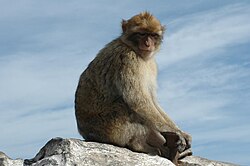
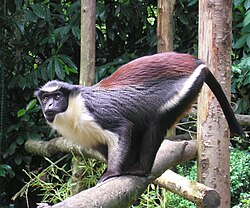
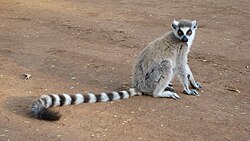
Primates are characterized by four parallel upper fore-teeth (with some exceptions in bats), solitary tusks in each jaw, two pectoral teats, and flattened, oval nails. Their diet consists primarily of fruits.
This group includes the genus Homo (humans of various races), Simia (monkeys and chimpanzees), Lemur (lemurs), and Vespertilio (bats).
Bruta
The Bruta lack fore-teeth but possess tusks and strong hoof-like nails. They are generally slow-moving herbivores that eat masticated vegetables. This group encompasses elephants (Elephas), manatees (Trichechus), sloths (Bradypus), anteaters (Myrmecophaga), and pangolins (Manis).
Ferae
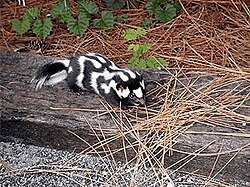
Ferae are characterized by six conic fore-teeth in each jaw, longer tusks, and grinders with conic projections. They possess subulate (tapering) claws and typically feed on carcasses or prey on other animals.
This group includes seals (Phoca), dogs (Canis), cats (Felis), skunks and mongooses (Viverra), weasels and otters (Mustela), and bears and badgers (Ursus).
Bestiae
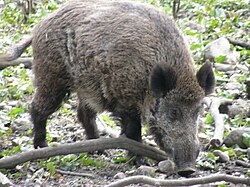
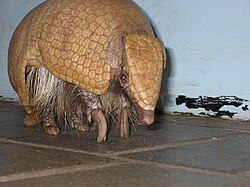
Bestiae possess an indefinite number of fore-teeth on the sides and always one extra canine. They are noted for having elongate noses used for digging out vermin and roots.
Members include pigs (Sus), armadillos (Dasypus), hedgehogs (Erinaceus), moles (Talpa), shrews (Sorex), and opossums (Didelphis).
Glires
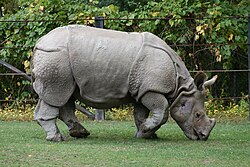
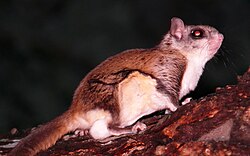
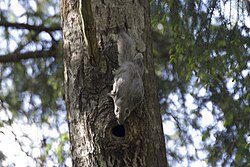
Glires are defined by having two cutting fore-teeth in each jaw and no tusks. Their feet are equipped with claws designed for running and bounding, and they gnaw on bark, roots, and vegetables.
This group includes rhinoceroses (Rhinoceros), porcupines (Hystrix), hares (Lepus), beavers (Castor), and various mice and squirrels (Mus and Sciurus).
Pecora
Pecora are hoofed animals with cloven feet and few or no upper cutting fore-teeth. They are ruminants that chew the cud and possess a complex four-chambered stomach: the paunch (for macerating), the bonnet (for reticulating), the omasus (for digesting), and the abomasus (to prevent putrefaction).
This group includes camels (Camelus), musk deer (Moschus), deer and giraffes (Cervus), goats (Capra), sheep (Ovis), and cows and bison (Bos).
Bellua
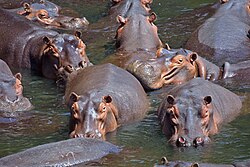
Bellua are heavy-moving herbivores with obtuse fore-teeth and hoofed feet. This group consists of horses, donkeys, and zebras (Equus), as well as hippopotamuses and tapirs (Hippopotamus).
Cete
Cete are marine mammals with bony or cartilaginous teeth and no nostrils, instead possessing a fistulous opening on the upper head. They have pectoral fins instead of feet, horizontal flattened tails, and feed on fish and mollusks.
This group includes narwhals (Monodon), baleen whales (Balaena), sperm whales (Physeter), and dolphins and orcas (Delphinus).
Summary of Linnaean Mammal Groups
| Group | Key Dental/Physical Feature | Primary Diet | Example Genera |
|---|---|---|---|
| Primates | Parallel fore-teeth, oval nails | Fruits | Homo, Simia, Lemur |
| Bruta | No fore-teeth, hoof-like nails | Vegetables | Elephas, Bradypus |
| Ferae | Six conic fore-teeth, subulate claws | Meat/Carcasses | Canis, Felis, Ursus |
| Bestiae | Extra canine, elongate nose | Roots/Vermin | Sus, Dasypus, Talpa |
| Glires | Two cutting fore-teeth, no tusks | Bark/Roots | Rhinoceros, Mus, Lepus |
| Pecora | Cloven hooves, four-chambered stomach | Herbs | Bos, Cervus, Camelus |
| Bellua | Obtuse fore-teeth, hoofed feet | Vegetables | Equus, Hippopotamus |
| Cete | Pectoral fins, fistulous head opening | Fish/Mollusks | Balaena, Delphinus |
Frequently Asked Questions
How did Linnaeus primarily distinguish between different mammal groups?
Linnaeus relied heavily on the number, situation, and structure of the teeth, as well as the type of feet (hooves, claws, or nails) and digestive habits.
What are the characteristics of the Pecora group?
Pecora are hoofed ruminants with cloven feet and a specialized four-part stomach consisting of the paunch, bonnet, omasus, and abomasus for digesting herbs.
Which animals were classified as Cete?
Cete included marine mammals such as narwhals, baleen whales, sperm whales, dolphins, and orcas, characterized by their pectoral fins and lack of nostrils.
Who attempted to refine Linnaeus's mammal classifications in the 20th century?
In 1911, Oldfield Thomas scrutinized the chapter on mammals to identify missing type species and type localities.
What defined the Ferae group in the 10th edition?
Ferae were defined by having six conic fore-teeth in each jaw, longer tusks, and a diet consisting of prey and carcasses.