Maimonides and the Synthesis of Jewish Philosophy and Reason
Moses Maimonides, one of the most influential figures in Jewish history, sought to harmonize the revealed truths of the Torah with the rigorous logic of Greek philosophy. By integrating Aristotelian science and Neoplatonic thought, he transformed Jewish theology into a systematic philosophical framework. His work emphasizes that faith and reason are not contradictory but are complementary paths to understanding the Divine.
Key Facts
- 13 Principles: Formulated a definitive list of required beliefs for Judaism in his commentary on the Mishnah.
- Apophatic Theology: Argued that God can only be described by what He is not (negative attributes).
- Theodicy: Defined evil as the absence of good rather than a created entity.
- Tzedakah: Established an eight-level hierarchy of righteousness, prioritizing self-sufficiency for the recipient.
- Rationalism: Insisted that anthropomorphic descriptions of God in scripture must be interpreted metaphorically.
The 13 Principles of Faith
In his commentary on the Mishnah (Tractate Sanhedrin), Maimonides outlined 13 principles that he viewed as the essential requirements of Jewish belief. These principles cover the nature of God, the validity of revelation, and the ultimate destiny of humanity.
| Category | Core Beliefs |
|---|---|
| Nature of God | Existence, unity, incorporeality, eternity, and exclusive worship of God. |
| Revelation | Prophecy, the preeminence of Moses, the Divine origin of the Torah, and its permanence. |
| Divine Justice & Future | God's omniscience, reward and punishment, the coming of the Messiah, and the resurrection of the dead. |
The Nature of the Divine
Maimonides equated the God of Abraham with the Necessary Being—a unique entity whose existence is fundamental to all others. He believed that the proper way to love and fear God is through the contemplation of the order and wisdom found in creation.
A cornerstone of his thought was apophatic theology, the practice of describing God through negative attributes. Because God is beyond human comprehension, Maimonides argued that we cannot say "God is wise," but rather "God is not ignorant." This approach prevents the mistake of attributing human limitations or physical forms to the Divine.
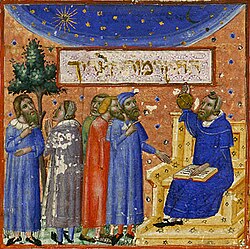
He adamantly rejected any corporeal (physical) understanding of God, viewing such beliefs as the root of idolatry. Consequently, he taught that all anthropomorphic language in sacred texts—such as references to God's "hand" or "anger"—must be interpreted as metaphors.
The Problem of Evil and Theodicy
Maimonides addressed theodicy—the attempt to reconcile an omnipotent, good God with the existence of evil. He proposed that evil is not a created thing, but rather the absence of good. Just as darkness is the absence of light, evil exists where divine good is missing.
He categorized evil into three distinct types:
- Natural Evil: Rare but necessary events, such as the balance of life and death.
- Interpersonal Evil: Harm that humans inflict upon one another.
- Self-Inflicted Evil: The most common form, resulting from humans falling victim to their own physical desires.
Ethics and the Hierarchy of Righteousness
Maimonides applied his systematic approach to morality through the concept of tzedakah (righteousness/charity). He developed an eight-level hierarchy to measure the quality of giving, ranging from the lowest to the highest form:
- Giving begrudgingly.
- Giving less than one should, but doing so cheerfully.
- Giving the correct amount only after being asked.
- Giving the correct amount before being asked.
- Giving where the donor is known, but the recipient is anonymous.
- Giving where the recipient is known, but the donor is anonymous.
- Giving where both parties remain anonymous.
- Enabling the recipient to become self-reliant through a gift, loan, or partnership.
Eschatology and the World to Come
Jewish eschatology (the study of the end times) involves the Messianic era and the resurrection of the dead. While Maimonides faced criticism from contemporaries who felt he viewed resurrection allegorically, he eventually wrote "The Treatise on Resurrection" to affirm it as a fundamental truth.
However, he distinguished between the physical resurrection and the World to Come. He argued that the ultimate state of existence is purely spiritual. This immortality is achieved through the development of immaterial intelligence—a result of the soul's effort to attain correct knowledge of God. Those who reach this intellectual perfection become immune to the accidents of fortune and death.
Frequently Asked Questions
How did Maimonides view the relationship between science and religion?
Maimonides believed there could be no contradiction between revealed divine truth and the findings of human reason in science and philosophy. He viewed the study of nature and science as a primary way to appreciate and understand God.
What is apophatic theology?
Apophatic theology is a method of describing God by stating what He is not, rather than what He is. This avoids attributing human characteristics or limitations to an infinite and indivisible Divine being.
What is the highest form of charity according to Maimonides?
The highest form of tzedakah is to provide the recipient with the means to become self-sufficient, such as through a loan or a business partnership, so they no longer need to rely on others.
How did Maimonides explain the existence of evil?
He argued that God did not create evil; instead, evil is the absence of good. He suggested that most human suffering stems from the inability to control physical desires.
What is the difference between "true beliefs" and "necessary beliefs"?
True beliefs are those that lead to intellectual perfection and a correct understanding of God. Necessary beliefs are those—such as the idea that God becomes "angry"—that are taught to the general public to maintain social order and discourage wrongdoing.