Machado de Assis: The Master of Brazilian Literature
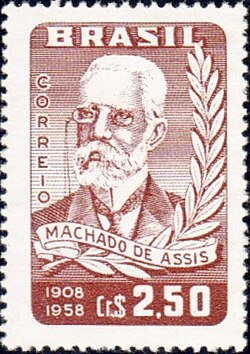
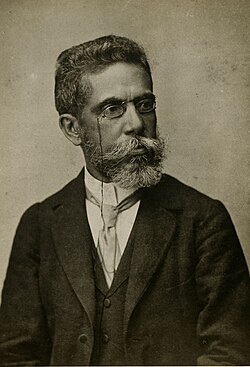
Joaquim Maria Machado de Assis was a pioneer of Brazilian letters, serving as a novelist, poet, playwright, and short story writer. Widely regarded as the greatest writer in Brazilian history, he played a pivotal role in shaping the Realist movement—a literary style focusing on the objective representation of reality and social critique—within his home country.
Beyond his writing, Machado was a distinguished intellectual and polyglot who taught himself English, French, German, and Greek. His legacy is cemented by his role as the founder and first President of the Brazilian Academy of Letters, a position he held from 1897 until his death in 1908.
Key Facts
- Full Name: Joaquim Maria Machado de Assis.
- Major Works: Dom Casmurro, Posthumous Memoirs of Brás Cubas, and Quincas Borba.
- Key Achievement: Founded and served as the first President of the Brazilian Academy of Letters.
- Literary Movements: Transitioned from Romanticism to Realism.
- Nickname: Known as the "Bruxo do Cosme Velho" (The Warlock from Cosme Velho).
Early Life and Education
Born on June 21, 1839, in Rio de Janeiro during the Empire of Brazil, Machado's beginnings were humble. His father, Francisco José de Assis, was a wall painter and the son of freed slaves, while his mother, Maria Leopoldina da Câmara Machado, was a Portuguese washerwoman. He spent his childhood at the Livramento country house, where he was protected by his godmother, Dona Maria José de Mendonça Barroso Pereira.
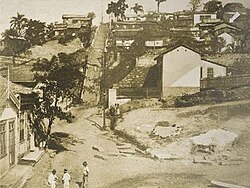
Though not a standout student in public school, Machado's intellectual curiosity led him to study Latin under Father Silveira Sarmento. His early exposure to the world of printing began in his adolescence through Francisco de Paula Brito, a bookstore and typography owner. At age 15, Machado published his first poem, "Ela" ("Her"), in the Marmota Fluminense newspaper.
Professional Beginnings
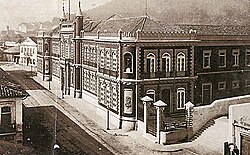
In 1856, Machado became a typographer's apprentice at the Imprensa Oficial (the Official Press), where he was mentored by novelist Manuel Antônio de Almeida. This period was crucial in developing his literary voice and connecting him with influential journalists and orators of the time.
Rise to Prominence and Personal Life
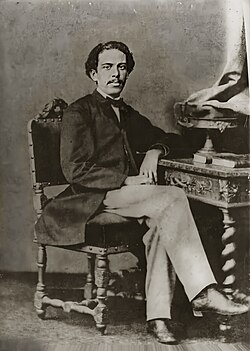
Following the death of his father in 1864, Machado sought stability. His talent caught the attention of Emperor Dom Pedro II, who appointed him as director-assistant of the Diário Oficial in 1867 and granted him a knighthood. He was later named an officer of the Order of the Rose in 1888.
In 1869, Machado married Carolina Augusta Xavier de Novais. Their union faced opposition from Carolina's family due to Machado's African descent, as she was a white woman. Despite this, the couple shared a devoted marriage for 35 years until Carolina's death in 1904.
Literary Evolution and Style
Machado's early career was marked by poetry, including the collections Falenas (1870) and Americanas (1875). However, the shift toward the Brazilian Republic inspired a more critical, observant approach to society, leading him to embrace Realism.
Masterpieces of Fiction
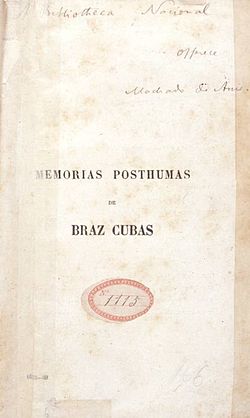
His later novels are considered some of the greatest in world literature. Quincas Borba (1891) and Dom Casmurro (1899) showcase his signature wit and psychological depth. He also wrote "A Missa do Galo" ("Midnight Mass") in 1893, which is frequently cited as the finest short story in Brazilian literature.
Global Recognition
Critics, including Harold Bloom, have placed Machado among the 100 greatest geniuses of literature, alongside Dante and Shakespeare. Bloom specifically identified him as the greatest black writer in Western literature. While he remains less known in the English-speaking world compared to other Latin American authors, his work has been praised by figures such as Salman Rushdie and Woody Allen.
Final Years and Legacy
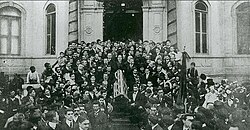
Machado spent his final decade leading the Brazilian Academy of Letters, successfully securing a permanent headquarters for the institution in 1905. After the loss of his wife, he struggled with depression and passed away on September 29, 1908, at the age of 69.
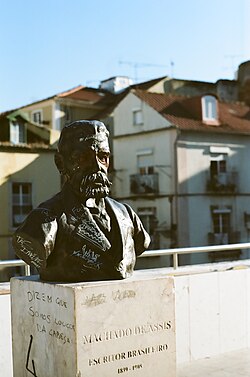
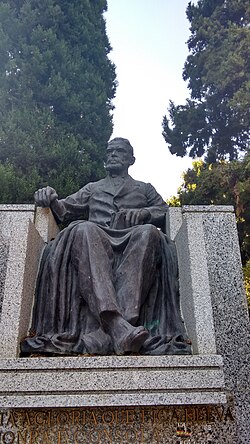
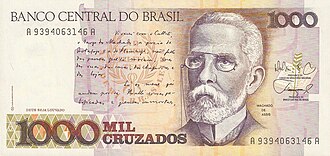
Today, his influence persists through numerous adaptations in cinema and theater, and his image appears on Brazilian currency and international monuments.
Summary of Machado de Assis' Profile
| Category | Details |
|---|---|
| Lifespan | June 21, 1839 – September 29, 1908 |
| Primary Roles | Novelist, Poet, Playwright, Literary Critic |
| Key Movement | Realism |
| Major Institution | Founder/1st President of the Brazilian Academy of Letters |
| Notable Novels | Dom Casmurro, Quincas Borba, Posthumous Memoirs of Brás Cubas |
Frequently Asked Questions
Why is Machado de Assis considered the greatest Brazilian writer?
He is revered for his unique narrative style, psychological insight, and sharp social critiques. His transition from Romanticism to Realism allowed him to dissect the human condition and Brazilian society with unprecedented wit and objectivity.
What is the "Bruxo do Cosme Velho"?
This is a nickname meaning "The Warlock from Cosme Velho," referring to the neighborhood where he lived and the perceived "magic" or brilliance of his literary creations.
Which of his works are most recommended for new readers?
The most acclaimed works are Dom Casmurro, The Posthumous Memoirs of Brás Cubas, and Quincas Borba, as well as his short story "A Missa do Galo" ("Midnight Mass").
What was his role in the Brazilian Academy of Letters?
Machado de Assis was a founding member and served as the institution's first President from 1897 until his death in 1908, helping to establish it as a premier literary body.
How did his background influence his life?
Born to a wall painter and a washerwoman and being of African descent, Machado overcame significant social barriers through self-education and professional merit, eventually gaining the patronage of Emperor Dom Pedro II.