João Guimarães Rosa: The Master of the Brazilian Sertão
João Guimarães Rosa was a towering figure in 20th-century Brazilian culture—a polymath who balanced the rigorous disciplines of medicine and diplomacy with a revolutionary approach to literature. Best known for his profound exploration of the sertão (the remote Brazilian backlands), Rosa transformed the regional landscape into a stage for universal existential inquiries.
His writing is celebrated for its linguistic audacity, blending archaic Portuguese with colloquial speech and creating neologisms (newly coined words) to capture the essence of the human condition. His work does not merely describe the backlands; it reimagines the Portuguese language to mirror the wild, unpredictable nature of the territory he loved.
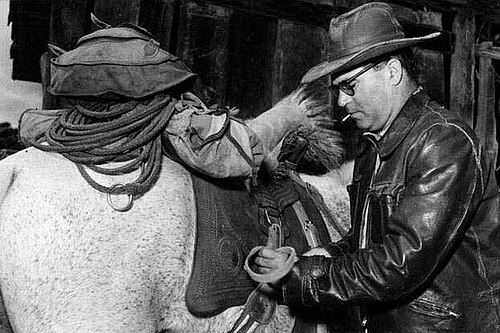
Key Facts
- Full Name: João Guimarães Rosa (1908–1967).
- Multifaceted Career: He was a medical doctor, a diplomat, and a world-renowned author.
- Masterpiece: Wrote only one novel, Grande Sertão: Veredas, often compared to James Joyce's Ulysses.
- Literary Style: Famous for blending regional dialects with philosophical depth and linguistic invention.
- Academic Honor: Member of the Brazilian Academy of Letters (elected 1963).
- Global Recognition: Grande Sertão: Veredas was named one of the best 100 books of all time by the Bokklubben World Library in 2002.
Life and Career: From Medicine to Diplomacy
Born on June 27, 1908, in Cordisburgo, Minas Gerais, Rosa was a lifelong learner. He was largely self-taught in several languages, mastering French before the age of seven. He pursued a medical degree at the Federal University of Minas Gerais, graduating in 1930.
His early medical practice in Itaguara provided his first intimate contact with the people and culture of the sertão. This connection deepened during the Constitutionalist Revolution of 1932, where he served as a volunteer doctor. These formative years as a physician and soldier provided the raw material and psychological insight that would later define his literary characters.
In 1934, Rosa transitioned into diplomacy. His career took him to various international posts, including Hamburg, Germany, in 1938. It was there he met his second wife, Aracy de Carvalho Guimarães Rosa, who is recognized as Righteous Among the Nations for her efforts in helping Jews escape the Third Reich.
Literary Evolution and Major Works
Sagarana: The Folk Legends
Rosa's literary debut, Sagarana (1946), is a collection of short stories that introduced his unique style. The title is a portmanteau of "saga" and the Tupi word "rana" (in the manner of), meaning "stories in the manner of folk legends." The stories center on the jagunço—mercenary fighters of the backlands—whom Rosa treated not just as outlaws, but as figures of existential bravery and faith, akin to medieval knights.
Corpo de Baile: The Dance of Motifs
Published in 1956, Corpo de Baile (Corps de Ballet) is a complex collection where symbols and ideas recur across different stories. A notable piece, "Recado do Morro," illustrates Rosa's belief in a "language of the sertão," where a message is passed through various marginal figures—a madman, a child, a hermit—until it is transformed into a poetic ballad that reveals a hidden truth.
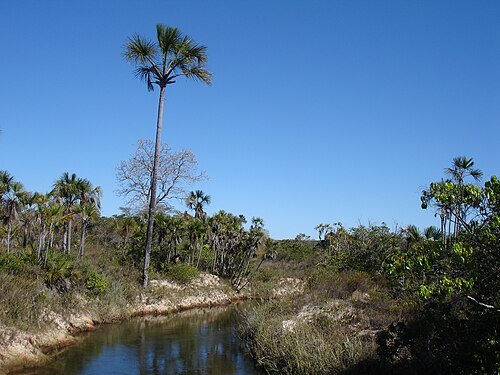
Grande Sertão: Veredas: The Metaphysical Masterpiece
His sole novel, Grande Sertão: Veredas (translated as The Devil to Pay in the Backlands), is a monumental monologue delivered by the jagunço Riobaldo. The narrative weaves together the violent wars of the backlands with deep philosophical meditations on the existence of God and the Devil.
The plot is driven by Riobaldo's internal conflict between two loves: the "demoniac love" for Diadorim, a fellow jagunço, and the "godly love" for Otacília. The novel concludes with the phrase "Travessia. O homem humano" (Crossing. The human human-being), followed by an infinity symbol, suggesting the endless nature of life and storytelling.
Summary of Major Works
| Title | Year | Format | Key Theme/Note |
|---|---|---|---|
| Sagarana | 1946 | Short Stories | Life of the jagunços in the sertão. |
| Corpo de Baile | 1956 | Short Stories | Interconnected symbols and motifs. |
| Grande Sertão: Veredas | 1956 | Novel | Metaphysical exploration of good and evil. |
| Primeiras Estórias | 1962 | Short Stories | Includes "The Third Bank of the River." |
| Tutameia | 1967 | Short Stories | Last collection published during his lifetime. |
Frequently Asked Questions
Why is Grande Sertão: Veredas compared to Ulysses?
Both works are considered revolutionary for their linguistic experimentation and their ability to turn a specific local setting into a universal exploration of the human psyche and existence.
What is a jagunço?
A jagunço is a mercenary-like figure or militia member who served farmers and maintained a violent order in the Brazilian backlands (sertão).
How did Rosa's medical background influence his writing?
His time as a doctor in Itaguara and during the 1932 revolution allowed him to experience the sertão firsthand and understand the social and psychological complexities of its inhabitants.
What are neologisms in the context of Rosa's work?
Neologisms are new words created by the author. Rosa invented them to better express the unique atmosphere of the backlands and the philosophical depths of his characters' thoughts.
When did he join the Brazilian Academy of Letters?
He was elected by a unanimous vote in 1963, though he postponed his formal acceptance until 1967, just three days before his death.