Luminous Gems in Global Mythology and Legend
Across diverse cultures and eras, the concept of the luminous gem—a stone or pearl capable of emitting its own light—has served as a powerful motif in comparative mythology. From the ancient texts of India and China to the classical records of Greece and Rome, these glowing treasures often symbolize divine power, purity, or the rewards of kindness.
Research by scholar Ball identified approximately one hundred variants of these stories spanning Asia, Europe, Borneo, New Guinea, the Americas, and Africa. While later accounts in Africa and the Americas likely stem from European influence, the core of these legends generally falls into three thematic categories: light sources, mining techniques, and associations with animals.
Key Facts
- Global Reach: Legends of light-emitting stones appear in nearly every continent, with the earliest records originating in India and China.
- Thematic Pillars: Most myths focus on gems as practical light sources, methods for locating minerals at night, or gifts from mystical animals.
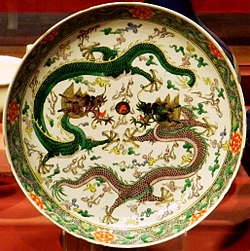
- Cultural Symbols: In Chinese lore, the dragon's flaming pearl often represents the moon or thunder within clouds.
- Historical Skepticism: Early skeptics include the 16th-century Portuguese expert Garcia de Orta and the 17th-century Chinese encyclopedist Song Yingxing.
Gems as Divine and Practical Light Sources
In India, belief in luminous stones dates back twenty-five centuries. The Vishnu Purana (c. 700 BCE – 300 CE) describes the avatar Shesha as having a thousand heads, each adorned with a jewel that provides light. Similarly, the Mahabharata describes a palace where precious stones shone like lamps, eliminating the need for artificial lighting.
Classical antiquity also provides numerous accounts. Herodotus noted that the temple of Heracles at Tyre featured columns of smaragdos (green gems) that glowed at night. While some historians suggest these were phosphorescent fluorspar or clever tricks involving lamps and glass, the belief persisted. Pliny the Elder described the chrysolampis as a gem that appeared pale by day but fiery by night, while Lucian described a statue of the goddess Atargatis wearing a lychnis (lamp-stone) that illuminated an entire temple.
Chinese tradition is particularly rich in this regard, utilizing terms like yèmíngzhū (night luminous pearl). Historical records from 379 BCE claim King Wei of Qi possessed ten pearls that could cast radiance over twelve carriages. In later pharmacopeias, leizhu (thunder pearls) were said to be dropped by the divine dragon shenlong to light houses at night.
The Legendary Red Palace Illuminator
One of the most documented accounts is the King of Ceylon's luminous carbuncle (ruby). Mentioned by Cosmas Indicopleustes in the 6th century and later by Marco Polo as "The Red Palace Illuminator," this fiery red stone was said to be as large as a pine cone. The pilgrim Xuanzang noted its brilliance could be seen from a distance of a myriad li, while other accounts claimed the king used it to maintain a youthful appearance.
Sacred Relics and Nautical Lights
Luminous stones also appear in religious traditions. Rabbinic Judaism mentions a stone in Noah's Ark that distinguished day from night during heavy cloud cover. The Mormon Book of Ether describes sixteen transparent stones that provided continuous light for the Jaredites during their 344-day voyage to America. In Italy, a relic of the Virgin Mary's wedding ring was said to emit a bright light that guided a repentant monk from Chiusi to Perugia.
Mining and the Discovery of Glowing Minerals
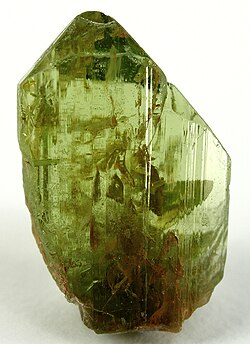
Some legends describe luminosity not as a magical property, but as a practical tool for mining. Diodorus Siculus and Strabo recorded that the peridot mines on Zabargad Island (then called Ophiodes) were guarded by the Egyptian king Ptolemy II Philadelphus. The miners searched for the stones at night, as the gems would shine brightly in the dark, allowing them to mark the location for extraction during the day.
Similar themes appear in other regions. In the Saka Buddhist Kingdom of Khotan, jade was reportedly discovered by its shine in the water at night. Even gold was described by the rabbi Petachiah of Regensburg as "growing like herbs" and being visible by its brightness after dark.
Animals and the Gift of the Luminous Stone
Many cultures link luminous gems to mythical creatures. Greek accounts mention mountain dragons with multi-colored rays in their heads and cranes that used "light-stones" to hatch eggs. In Persia, the Icheb Chirac (burning torch of the night) was believed to be bred within the head of a dragon, griffin, or royal eagle.
The most enduring of these tales is the Chinese legend of the Suihouzhu (the Marquis of Sui's pearl). After the Marquis saved a wounded snake, the creature returned a year later with a pearl as bright as the moon. This story became a metaphor for immense value in the Strategies of the Warring States and was often paired with the Heshibi (Mr. He's jade).
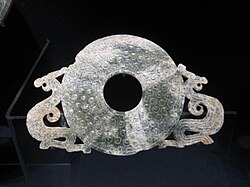
Other narratives focus on the theme of gratitude. A parable told by Richard I of England describes a man who rescues a lion and a serpent from a pit; in return, the serpent provides a luminous jewel. This mirrors various Eastern tales where animals reward human kindness with precious, glowing stones.
Summary of Luminous Gem Traditions
| Region | Key Gem/Stone | Primary Association | Notable Source |
|---|---|---|---|
| India | Divine Jewels | Vishnu/Shesha's heads | Vishnu Purana |
| China | Yèmíngzhū (Night Pearl) | Dragons and Grateful Snakes | Records of the Grand Historian |
| Greece/Rome | Smaragdos / Lychnis | Temple illumination | Herodotus / Lucian |
| Egypt | Peridot (Topaz) | Night-time mining | Diodorus Siculus |
| Ceylon | Red Carbuncle | Royal treasure/Youth | Marco Polo |
Frequently Asked Questions
What is a carbuncle in the context of these legends?
In historical and mythological texts, a carbuncle refers to a deep red gemstone, typically a ruby or garnet, believed to possess the ability to glow or emit light in the dark.
How did ancient Egyptians find peridots on Zabargad Island?
According to Diodorus Siculus, the stones were invisible during the day due to the sun's brightness but shone clearly at night, allowing miners to locate and mark them for daytime excavation.
What is the significance of the Marquis of Sui's pearl?
The Suihouzhu is a legendary Chinese pearl given to the Marquis of Sui by a grateful snake. It became a cultural symbol of extreme value and importance in early Chinese political and philosophical texts.
Were these luminous gems actually real?
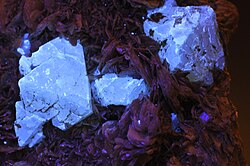
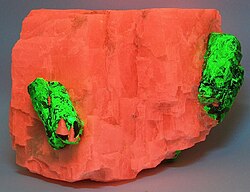
While most are mythological, some may have been based on naturally phosphorescent minerals (like certain types of fluorspar) or were clever illusions created by priests using lamps and hollow glass.
Which animals are most commonly associated with glowing gems?
Serpents and dragons are the most frequent associations, particularly in Chinese, Persian, and Native American (Horned Serpent) mythologies, often with the gem located in the creature's head.