Lizards: A Comprehensive Overview of Squamate Diversity
Lizards represent a vast and diverse group of reptiles within the order Squamata. While the term is often used broadly, it technically encompasses all squamate reptiles that are not snakes, and sometimes includes amphisbaenians (worm lizards). With over 7,000 species, these animals are found in nearly every corner of the globe, inhabiting every continent except Antarctica and most major oceanic island chains.
From the microscopic nano-chameleon, measuring just 13.5 mm, to the massive 3-meter-long Komodo dragon, lizards exhibit an extraordinary range of biological adaptations. This diversity allows them to thrive in environments ranging from arid deserts to lush tropical forests and even marine habitats.
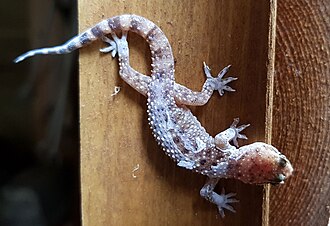
Key Facts
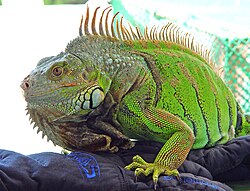
- Species Count: Over 7,000 known species.
- Global Presence: Found on all continents except Antarctica.
- Size Extremes: Ranges from 13.5 mm (nano-chameleon) to 3 meters (Komodo dragon).
- Dietary Range: Varies from small insects to large mammals like water buffalo.
- Evolutionary History: Temporal range extends from the Middle Jurassic to the Holocene.
Taxonomy and Classification
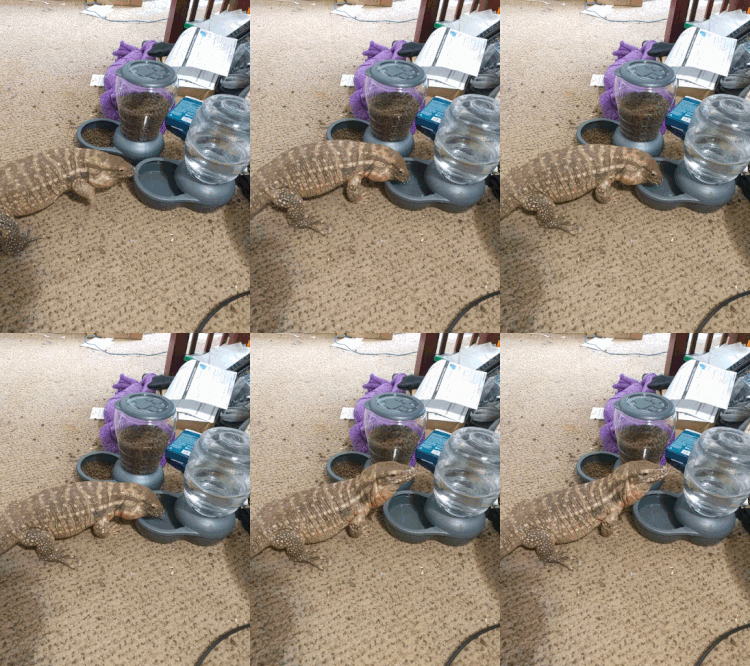
The scientific classification of lizards has evolved significantly since the 13th century. Early naturalists often grouped lizards with snakes, amphibians, and even mythical creatures. In the 1800s, the term Sauria was introduced, though its definition has shifted over time between being a synonym for lizards and a broader clade including crocodilians.
Modern taxonomy organizes lizards into several major infraorders, including:
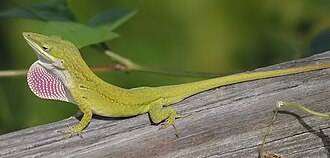
- Iguanomorpha: Includes iguanas, chameleons, and anoles.
- Gekkota: Includes geckos and legless geckos.
- Scincomorpha: Includes skinks and plated lizards.
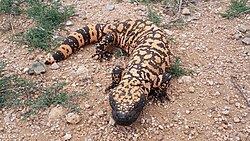
- Platynota (Varanoidea): Includes monitor lizards and the venomous Gila monster.

| Infraorder | Representative Families | Common Examples |
|---|---|---|
| Iguanomorpha | Iguanidae, Chamaeleonidae, Polychrotidae | Iguanas, Chameleons, Anoles |
| Gekkota | Gekkonidae, Pygopodidae | Geckos, Legless geckos |
| Scincomorpha | Scincidae, Teiidae | Skinks, Tegus |
| Platynota | Varanidae, Helodermatidae | Monitor lizards, Gila monsters |
Anatomy and Physiology
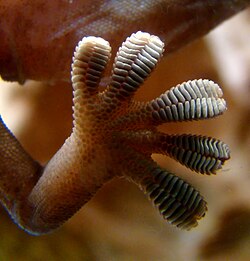
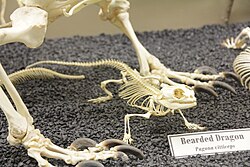
Lizards possess specialized anatomical features that facilitate their survival. For instance, many geckos utilize adhesive pads to climb vertical surfaces. Other species have evolved unique skeletal structures, such as the varied tooth types seen in the red tegu skull.
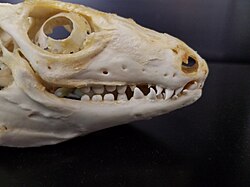
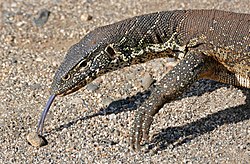
Physiological adaptations also include diverse respiratory systems. Some species, like the savannah monitor, exhibit unidirectional pulmonary airflow, a highly efficient way of breathing. Sensory capabilities are equally advanced; many lizards use their tongues to facilitate the sense of smell, a process known as chemoreception.
Behavior and Ecology
Diet and Hunting Strategies
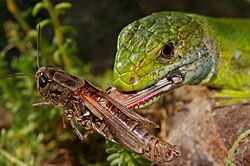
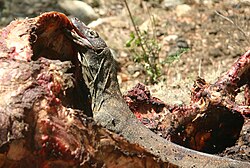
Lizards occupy various niches in the food web. Larger species, such as monitor lizards, are formidable predators capable of consuming fish, birds, mammals, and other reptiles. The Komodo dragon is a particularly efficient predator and scavenger; a 50 kg dragon can consume a 31 kg carcass in just 17 minutes.
Defense and Communication
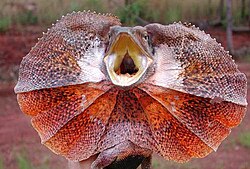
To survive predation, lizards have developed several antipredator adaptations. These include camouflage to blend into surroundings, autotomy (the ability to shed a tail to escape a predator), and even reflex bleeding. Some species, like the frilled-neck lizard, use physical displays to appear larger and more intimidating.
Social and Reproductive Behavior
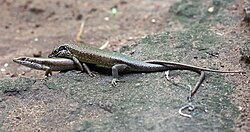
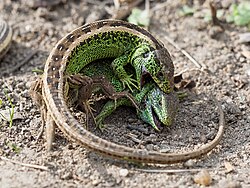
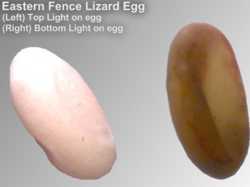
Lizard behavior varies from solitary existence to complex social interactions. Some species engage in territorial combat, while others exhibit specific mating rituals. Reproduction methods also vary, with most lizards laying eggs, though the specific environments for these eggs range from tree branches to ground nests.
Evolutionary History
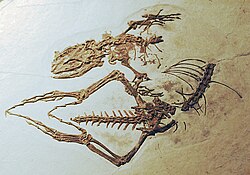
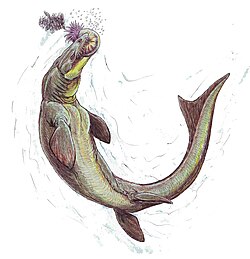
The fossil record provides insight into the long history of lizards, dating back to the Middle Jurassic. Over millions of years, lizards have undergone significant evolutionary changes, including convergent evolution, where unrelated species evolve similar traits—such as the legless body plan seen in both slowworms and certain other groups.
![The slowworms, Anguis, are among over twenty groups of lizards that have convergently evolved a legless body plan.[70]](/images/eb/58/eb588769628276234a6b02d6e83231442cafde473570e2657f3126c2704e09df.jpg)
Habitat and Distribution
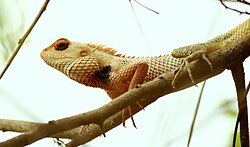
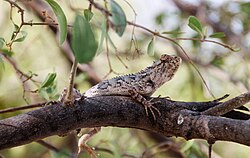
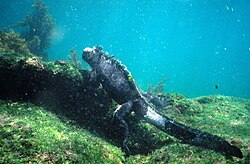
Lizards are highly adaptable to their environments. They can be found in deserts, forests, and even in the ocean, as seen with the marine iguana. Many species are specialized for specific lifestyles, such as being tree-dwelling or strictly terrestrial.
Frequently Asked Questions
Are all lizards venomous?
No, most lizard species are not venomous. However, certain groups, such as the Gila monster and beaded lizards, do possess venom.
Can lizards be dangerous to humans?
The majority of lizard species are harmless to humans. The Komodo dragon is the most notable exception, as it is known to stalk and attack humans.
How do lizards communicate?
Lizards use various methods to communicate, including visual signals like color changes or dewlap extensions, as well as substrate vibrations.
What is autotomy?
Autotomy is a defense mechanism where a lizard can voluntarily shed a part of its body, such as its tail, to distract a predator and facilitate escape.
Do lizards live in the ocean?
While most lizards are terrestrial, some species, such as the marine iguana, have adapted to forage in marine environments.
Are lizards related to snakes?
Yes, both lizards and snakes belong to the order Squamata, meaning they share a common evolutionary lineage.