Linnaeus and the Classification of Aves
In the foundational era of modern taxonomy, Carl Linnaeus defined the class Aves (birds) through a combination of anatomical markers and behavioral traits. He characterized these animals by a heart consisting of two auricles and two ventricles with warm, dark red blood, supported by two feet and two wings, and a distinctive heart-shaped rump. To Linnaeus, the essence of the class was captured in a simple observation: they fly in the air and sing.
Key Facts
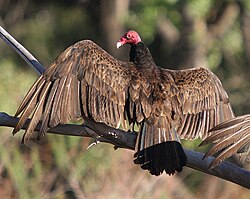
- Linnaeus established the binomial nomenclature system used to name these species in 1758.
- The class Aves was defined by specific cardiac anatomy and the ability to fly and sing.
- Many species originally placed in broad genera like Falco or Psittacus have since been moved to more specific genera.
- The records include nomen dubium (names of unknown or doubtful application) and various synonyms.
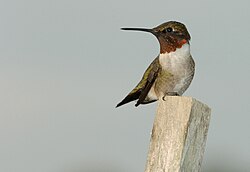
- Linnaeus categorized a vast array of birds, from hummingbirds (Trochilus) to ostriches (Struthio).
The Early Genera of Birds of Prey and Owls
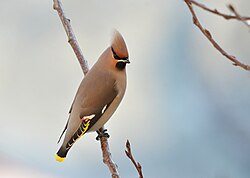
Linnaeus initially grouped a wide variety of raptors under the genus Falco. This included not only falcons but also eagles, kites, and harriers. For example, the golden eagle was listed as Falco chrysaetos, while the osprey was Falco haliaetus.
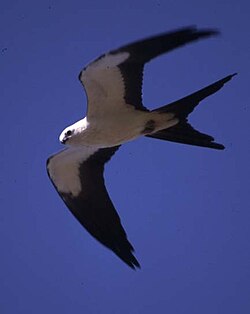
Owls were categorized under the genus Strix. This group encompassed diverse species such as the Eurasian eagle-owl (Strix bubo) and the snowy owl, which was recorded under both Strix scandiaca and Strix nyctea.
Songbirds, Parrots, and Exotic Species
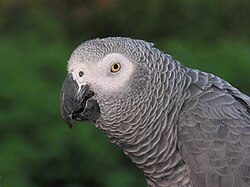
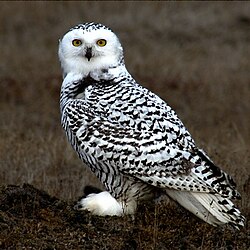
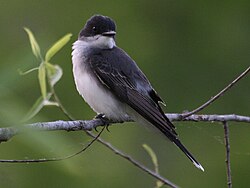
The genus Lanius was used for shrikes and several other species that we now recognize as distinct, such as the eastern kingbird (Lanius tyrannus).
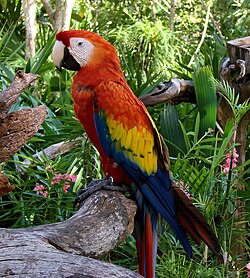
Parrots were grouped under Psittacus, a genus that originally included a massive variety of macaws, amazons, and lories. The scarlet macaw, for instance, was named Psittacus macao.
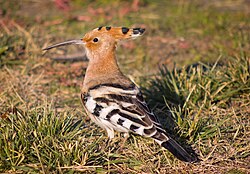
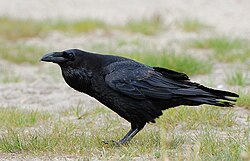
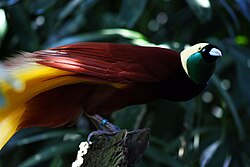
Other notable groupings included the Corvus genus for crows and ravens, and Paradisaea for the birds-of-paradise. Linnaeus also documented specialized birds like the Upupa (hoopoes), with the Eurasian hoopoe (Upupa epops) serving as the type species for its genus.
Waterfowl and Shorebirds
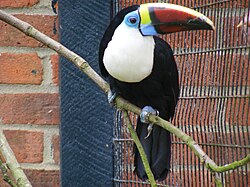
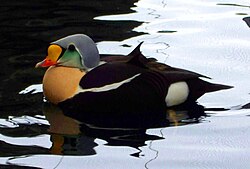
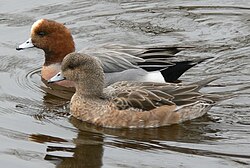
Linnaeus used the genus Anas to cover a broad spectrum of waterfowl, including ducks, geese, and swans. This included the whooper swan (Anas cygnus) and the mallard (Anas platyrhynchos).
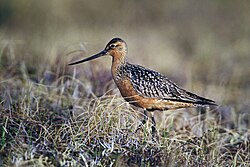
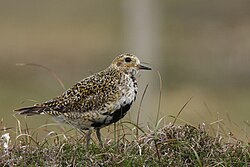
Shorebirds and waders were often placed in Scolopax (godwits and ibises) or Charadrius (plovers). The bar-tailed godwit was originally Scolopax lapponica, while the European golden plover was listed as both Charadrius apricarius and Charadrius pluvialis.
Small Birds and Passerines
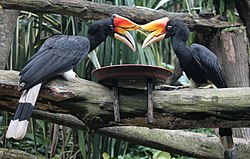
The classification of smaller birds was divided into several genera, including Turdus for thrushes, Loxia for cardinals and bullfinches, and Fringilla for finches. The genus Motacilla was particularly broad, encompassing wagtails, warblers, and even the European robin (Motacilla rubecula).
Finally, the genus Parus included tits and manakins, while the common swift was categorized as Hirundo apus.
Summary of Linnaean Bird Classifications
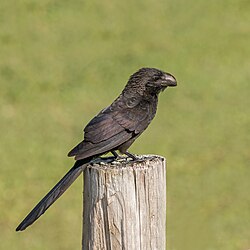
| Original Genus | Common Name Example | Linnaean Binomial (1758) |
|---|---|---|
| Falco | Golden Eagle | Falco chrysaetos |
| Strix | Eurasian Eagle-owl | Strix bubo |
| Psittacus | Grey Parrot | Psittacus erithacus |
| Corvus | Common Raven | Corvus corax |
| Anas | Mallard | Anas platyrhynchos |
| Trochilus | Ruby-throated Hummingbird | Trochilus colubris |
| Scolopax | Bar-tailed Godwit | Scolopax lapponica |
Frequently Asked Questions
What did Linnaeus use to define the class Aves?
Linnaeus defined Aves based on anatomical features (a heart with two auricles and two ventricles, warm dark red blood, and a heart-shaped rump) and behavioral traits (flying and singing).
What is a nomen dubium in these records?
A nomen dubium is a scientific name that is of unknown or doubtful application, meaning the exact species it refers to cannot be determined with certainty.
Why are some birds listed under genera they no longer belong to?
Linnaeus used very broad genera. Over time, as ornithology advanced, these large groups were split into more precise genera to better reflect evolutionary relationships.
Which genus did Linnaeus use for hummingbirds?
Linnaeus used the genus Trochilus for hummingbirds, including the ruby-throated hummingbird (Trochilus colubris).
How did Linnaeus classify the common raven?
The common raven was classified under the genus Corvus as Corvus corax in 1758.