Linnaean Pisces: The 1758 Classification of Fish
In the 10th edition of Systema Naturae, the renowned naturalist Carl Linnaeus established a foundational framework for classifying the aquatic world. He defined the class Pisces as creatures that always inhabit the waters, characterized by their swift motion and voracious appetites. According to Linnaeus, these animals breathe through gills—typically united by a bony arch—and swim using radiate fins, with most bodies covered in cartilaginous scales.
Beyond these general traits, Linnaeus noted the presence of a nictitant membrane (a transparent third eyelid) and a swim-bladder. The latter is a gas-filled organ that allows fish to raise or sink themselves within the water column by contracting or dilating the bladder.
Key Facts
- Heart Structure: Defined as having one auricle and one ventricle with cold, dark red blood.
- Respiratory System: Characterized by external gills.
- Physical Traits: Imbricate (overlapping) scales and a lack of a penis in most species.
- Reproduction: Eggs are described as being without whites.
- Sensory Organs: Includes the tongue, eyes, ears, and nostrils.
The Linnaean Taxonomic Hierarchy
Linnaeus divided the Pisces into several primary groups based on their anatomical characteristics, specifically the placement of their fins and gill structures.
Apodes
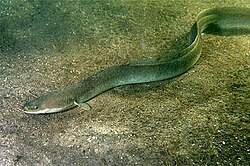
This group primarily included eels and other fish lacking pelvic fins. Notable examples include the European eel, named Muraena angvilla in 1758.
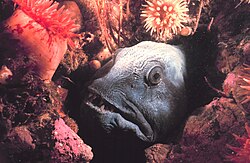
Other members of this group included the Atlantic wolffish (Anarhichas lupus), the swordfish (Xiphias gladius), and various electric knifefishes.
Jugulares
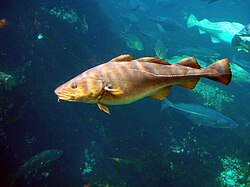
The Jugulares group encompassed fish with thoracic fins located lower on the body. This category included the Atlantic cod, identified as Gadus morhua and Gadus callarias.
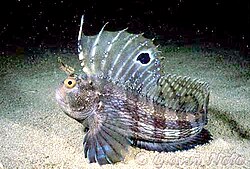
It also featured the butterfly blenny (Blennius ocellaris) and various species of haddock and hake.
Thoracici
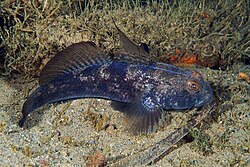
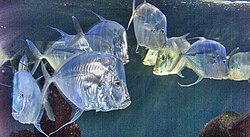
The Thoracici were defined by fins located higher on the thorax. This diverse group included the black goby (Gobius niger and Gobius jozo) and the lookdown (Zeus vomer).
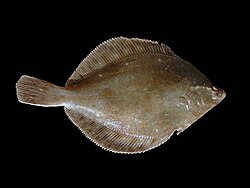
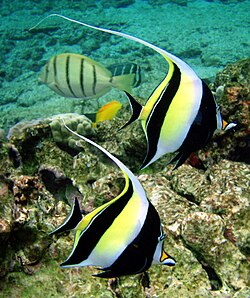
Flatfishes, such as the European plaice (Pleuronectes platessa), were also categorized here, alongside colorful reef fish like the Moorish idol (Chaetodon canescens and Chaetodon cornutus).
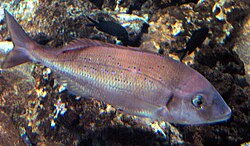
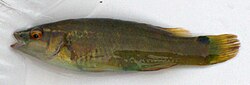
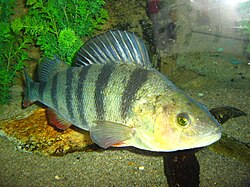
Other prominent Thoracici included the red porgy (Sparus orphus and Sparus pagrus), the goldsinny wrasse (Labrus suillus and Labrus rupestris), and the European perch (Perca fluviatilis).
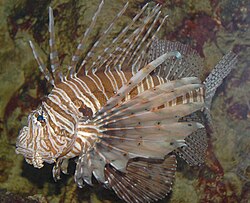
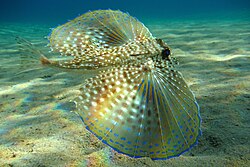
This group also contained the red lionfish (Gasterosteus volitans) and the flying gurnard (Gasterosteus spinarella and Trigla volitans).
Abdominales
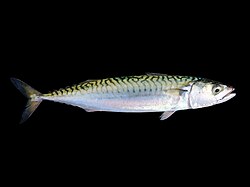
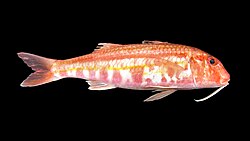
The Abdominales featured fins located further back on the abdomen. This group included the Atlantic mackerel (Scomber scombrus) and the red mullet (Mullus surmuletus).
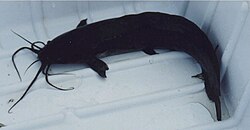
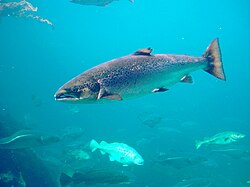
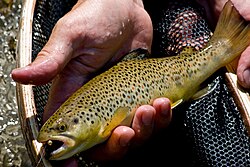
Freshwater species were common here, such as the walking catfish (Silurus batrachus), the Atlantic salmon (Salmo salar), and the brown trout (classified under multiple names including Salmo trutta and Salmo fario).
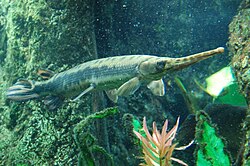
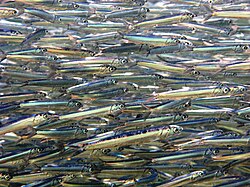
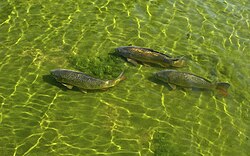
Other members included the longnose gar (Esox osseus), the European anchovy (Clupea encrasicolus), and the common carp (Cyprinus carpio).
Branchiostegi
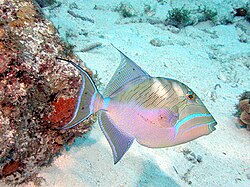
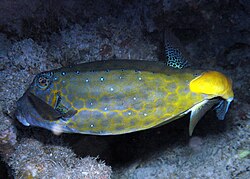
This group included specialized fish such as the queen triggerfish (Balistes vetula) and the yellow boxfish (Ostracion tuberculatus and Ostracion cubicus).
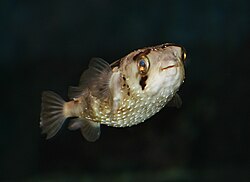
The long-spine porcupinefish (Diodon holocanthus) also falls within this classification, along with seahorses and pipefishes.
Summary of Linnaean Fish Classifications
| Group | Key Examples | Notable Species |
|---|---|---|
| Apodes | Eels, Wolffishes | European eel, Atlantic wolffish |
| Jugulares | Cod, Blennies | Atlantic cod, Butterfly blenny |
| Thoracici | Perch, Flatfishes | European perch, European plaice |
| Abdominales | Salmon, Carp, Mackerel | Atlantic salmon, Common carp |
| Branchiostegi | Triggerfish, Boxfish | Queen triggerfish, Yellow boxfish |
Frequently Asked Questions
How did Linnaeus define the heart of a fish?
Linnaeus described the fish heart as consisting of one auricle and one ventricle, containing cold, dark red blood.
What is a nictitant membrane?
A nictitant membrane is a transparent third eyelid found in fish, as noted in the Linnaean characteristics of Pisces.
Which group did the Atlantic salmon belong to?
The Atlantic salmon (Salmo salar) was classified under the Abdominales group.
What was the purpose of the swim-bladder according to the source?
The swim-bladder allows fish to raise or sink themselves in the water at will through contraction or dilatation.
Which species were categorized as Apodes?
The Apodes included eels (such as the European eel), electric knifefishes, cutlassfishes, wolffishes, sand eels, butterfishes, and swordfishes.