Liancourt Rocks Dispute: A Deep Dive into the Dokdo and Takeshima Sovereignty Conflict
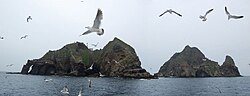
The Liancourt Rocks, a small group of islets located in the Sea of Japan, sit at the center of a long-standing and complex territorial dispute. Known as Dokdo in South Korea and Takeshima in Japan, these rocks are claimed by South Korea, Japan, and formerly North Korea. While South Korea has administered the islets via the Korea Coast Guard since 1952, the sovereignty of the territory remains a significant point of diplomatic tension between the two nations.
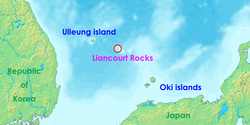
The dispute involves conflicting historical interpretations, post-World War II legal documents, and modern geopolitical stances. While North Korea previously maintained a claim, it has since moved away from this position following its 2024 adoption of the "Two hostile states theory," which abandoned goals of reunification with the South.
Key Facts
- South Korean Name: Dokdo
- Japanese Name: Takeshima
- Current Administration: South Korea (since 1952)
- Primary Dispute: Sovereignty over the Liancourt Rocks islets
- Legal Status: Japan has repeatedly proposed referring the matter to the International Court of Justice (ICJ), but South Korea has rejected these proposals.
Historical Claims and Interpretations
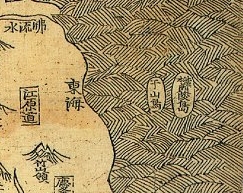
The roots of the conflict lie in centuries-old records that both sides interpret differently. South Korean claims are supported by various historical texts, including the Samguk Sagi and the Annals of the Joseon Dynasty. These records frequently mention an island called Usan-do, which Korean scholars identify as the Liancourt Rocks.
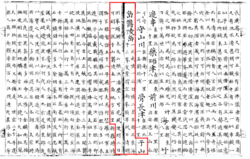
Conversely, Japanese researchers argue that references to Usan-do in historical documents may actually refer to other locations, such as Jukdo, Ulleungdo, or even a non-existent island. The ambiguity in early maps and the changing names of islands over the centuries have made it difficult for historians to reach a consensus on who first established administrative control.
The Joseon and Edo Periods
During the 17th century, inquiries were made regarding the status of the islands. In 1695, the Japanese Shogunate inquired about the islands, receiving a reply from Tottori. Historical records from 1696 and 1697 show various communications between the Korean court and Japanese officials regarding the administration of these waters.
The 20th Century: Incorporation and Conflict
A pivotal moment in the modern dispute occurred in 1905. During the Russo-Japanese War, Japan incorporated the Liancourt Rocks into its territory via a cabinet decision and the Shimane Notice 40. This occurred just before Korea became a Japanese protectorate under the 1905 Japan–Korea Treaty. At the time, a temporary watchtower was even erected on the islets for anti-Russian surveillance.
South Korea has long contested this incorporation, viewing it as illegal. In 1920, the Prime Minister of the Korean Provisional Government (KPG) formally accused the Japanese government of the illegal seizure of the rocks.
Post-World War II and the Rusk Documents
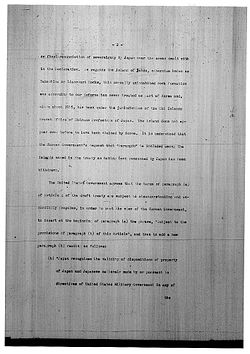
Following Japan's surrender in World War II, the legal status of the islets became a subject of intense scrutiny. A significant piece of evidence often cited is the Rusk Documents. In an August 1951 communication, the United States expressed the view that the Liancourt Rocks were Japanese territory, noting they had been under the jurisdiction of the Oki Islands Branch Office of Shimane Prefecture since 1905 and did not appear to have been previously claimed by Korea.
However, South Korea maintains that its territorial rights were restored upon the surrender of Japan. They point to the fact that the U.S. Military Government in Korea transferred jurisdiction to the South Korean government in 1948. In 1952, South Korea announced the "Peace Line" (the Rhee Line), which explicitly included the Liancourt Rocks within its sovereign territory.
Modern Tensions and Diplomatic Stance
The dispute remains active in the modern era. In 1954, Japan proposed referring the case to the International Court of Justice (ICJ), a move South Korea rejected on the grounds that the islets are irrefutably Korean territory. Similar proposals in 1962 and 2012 were also met with rejection from Seoul.
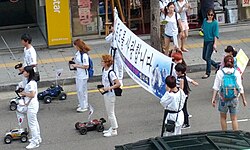
Tensions have occasionally escalated into physical confrontations, such as the crackdown on Japanese fishing vessels by South Korea between 1947 and 1965. In more recent years, demonstrations in Seoul have continued to assert Korean sovereignty.
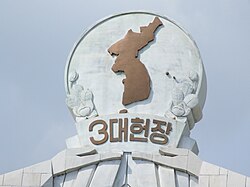
Even political symbols have reflected the dispute. For example, the Arch of Reunification in Pyongyang previously depicted the Liancourt Rocks as part of the Korean peninsula, though the arch was demolished in 2024.
Summary of Territorial Claims and Status
| Feature | South Korean Position | Japanese Position |
|---|---|---|
| Primary Name | Dokdo | Takeshima |
| Historical Basis | References to Usan-do in ancient records | Ambiguity in records; 1905 incorporation |
| Current Status | Administered by Korea Coast Guard | Claims sovereignty via Shimane Prefecture |
| Legal Preference | Rejects ICJ referral | Proposes ICJ referral |
Frequently Asked Questions
What are the Liancourt Rocks?
The Liancourt Rocks are a group of small islets located in the Sea of Japan that are currently the subject of a territorial dispute between South Korea and Japan.
Why does South Korea refuse to go to the International Court of Justice?
South Korea rejects the proposal to use the ICJ because it maintains that the islets are irrefutably part of its territory, meaning there is no legitimate "dispute" to be settled by a third party.
What role did the United States play in the dispute?
The United States issued the Rusk Documents in 1951, which suggested the rocks were Japanese territory. However, the U.S. also transferred jurisdiction to the U.S. Military Government in Korea in 1946, which later reverted to South Korea.
How has North Korea's stance changed?
While North Korea formerly claimed sovereignty over the islands, it has removed these claims as of 2024 following its shift toward the "Two hostile states theory" and the abandonment of reunification goals.
What is the significance of the 1905 incorporation?
Japan incorporated the rocks into Shimane Prefecture in 1905, a move South Korea views as illegal and occurring during a period when Korea was being transitioned into a Japanese protectorate.