Lascaux Cave: The Masterpieces of Prehistoric Art
Deep within the Dordogne region of France lies one of the most significant archaeological treasures of humanity: the Lascaux Cave. Renowned for its breathtaking parietal art (paintings and engravings on cave walls), Lascaux offers a window into the minds of early humans from the early Magdalenian period. These ancient artists transformed a subterranean sanctuary into a vivid gallery of Ice Age wildlife, creating works of such scale and sophistication that they earned a place on the UNESCO World Heritage List in 1979.
The cave's age is a subject of ongoing scholarly debate, but estimates generally place the creation of the artwork between 17,000 and 22,000 years ago.
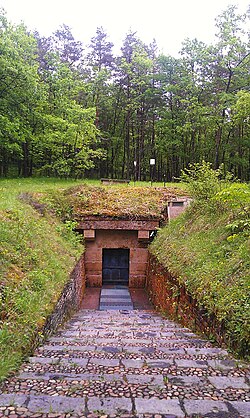
The Accidental Discovery
The world rediscovered Lascaux on September 12, 1940, through a stroke of luck. An 18-year-old named Marcel Ravidat was exploring the La Rochefoucauld-Montbel lands when his dog investigated a hole created by an uprooted tree. Intrigued, Ravidat returned with three friends—Jacques Marsal, Georges Agnel, and Simon Coencas. The group descended a 15-meter (50-foot) shaft, initially believing they had found a secret passage to the nearby Lascaux Manor, only to find themselves surrounded by prehistoric masterpieces.
A Gallery of the Ice Age
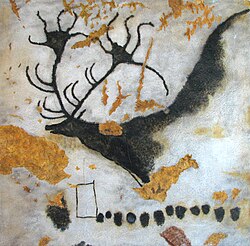
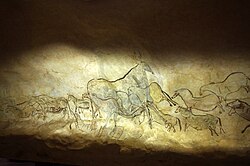
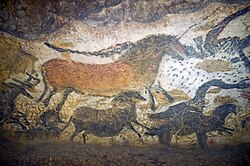
The imagery within Lascaux is dominated by the animals of the Pleistocene epoch. Experts have identified over 900 animal figures, 605 of which are precisely categorized. The collection is heavily weighted toward equines (364 paintings) and stags (90 paintings), while aurochs (wild cattle) and bison each make up about 4% to 5% of the total images.
While the artists focused on large herbivores, they also included smaller details: seven felines, a bear, a rhinoceros, and a single bird. Interestingly, despite being a primary food source for the people of that era, reindeer are entirely absent from the walls, as are fish.
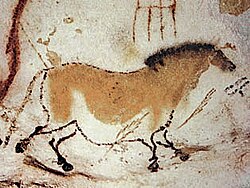
One of the most enigmatic areas is the Abside (Apse), a semi-spherical chamber. Its walls and ceiling are covered in thousands of overlapping, engraved drawings. The density of the art on the ceiling—ranging from 1.6 to 2.7 meters high—suggests that the prehistoric artists may have constructed scaffolds to reach the surface.
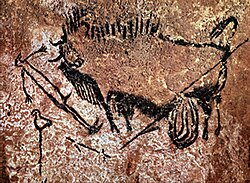
In the deepest part of the cave, at the bottom of a 9-meter well, lies the only human figure in the entire complex. This "shaft scene" depicts a man with a bird-like head alongside a bison, rendered in a style strikingly different from the rest of the cave's art.
The Battle for Preservation
After opening to the public on July 14, 1948, the cave became a victim of its own popularity. By 1955, the presence of 1,200 daily visitors introduced excessive carbon dioxide, heat, and humidity, leading to infestations of fungi and lichen. To save the artwork, the cave was closed to the public in 1963.
Conservation has been a constant struggle. In 2001, a new air conditioning system inadvertently triggered an outbreak of Fusarium solani, a white mold. Later, in 2007 and 2008, grey and black blemishes appeared, leading to a temporary total closure of the cave. In 2018, a new species of fungus, Scolecobasidium lascauxense, was officially described after being isolated from the site.
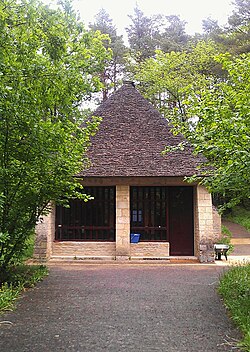
Bringing the Art to the People: The Replicas
To balance public interest with the need for absolute preservation, several replicas have been created:
- Lascaux II: An exact copy of the Painted Gallery and the Great Hall of the Bulls, located 200 meters from the original site.
- Lascaux IV: The most advanced replica, inaugurated in December 2016. This full-scale reproduction is part of the International Centre for Parietal Art (CIAP) and utilizes digital technology and workshops to educate visitors.
Key Facts
- Location: Montignac, Dordogne, France.
- Estimated Age: 17,000 to 22,000 years old.
- UNESCO Status: Inscribed in 1979.
- Primary Subjects: Horses (364), stags (90), aurochs, and bison.
- Human Figures: Only one human figure exists in the entire cave.
- Conservation Status: Closed to the general public since 1963 to prevent biological degradation.
| Feature | Detail |
|---|---|
| Total Identified Animals | Over 900 |
| Most Common Animal | Equines (Horses) |
| Key Biological Threats | Fusarium solani, Scolecobasidium lascauxense |
| Total Site Area | 34.34 hectares |
| Latest Replica | Lascaux IV (2016) |
Frequently Asked Questions
Why is the original Lascaux cave closed to the public?
The cave was closed in 1963 because the breath and presence of 1,200 daily visitors caused humidity and carbon dioxide levels to rise, leading to the growth of damaging fungi and lichen on the prehistoric paintings.
What animals are most common in the paintings?
Horses are the most frequent subject with 364 depictions, followed by stags with 90. Aurochs and bison are also prominent, each representing about 4% to 5% of the images.
Are there any images of people in the cave?
Yes, but only one. A single human figure, depicted with a bird-like head, is found in the "shaft scene" at the bottom of a 9-meter-deep well.
What is Lascaux IV?
Lascaux IV is a full-scale, high-tech replica of the entire cave. It is located at the International Centre for Parietal Art and allows visitors to experience the art without risking the integrity of the original site.
Why are there no reindeer in the paintings?
Despite the fact that reindeer were the primary food source for the artists who created the paintings, they are notably absent from the cave's artwork.