Lady Bird Johnson Wildflower Center: A Sanctuary for Texas Native Plants
Located just 10 miles southwest of downtown Austin, the Lady Bird Johnson Wildflower Center serves as the state botanical garden and arboretum of Texas. Spanning 284 acres, this expansive sanctuary sits at the intersection of the Edwards Plateau and Texas Blackland Prairies ecosystems, offering a unique glimpse into the natural beauty of the Texas Hill Country.
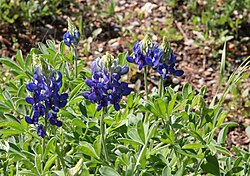
The center is more than just a scenic destination; it is a hub for environmental sustainability and plant conservation. By showcasing over 970 species of native plants in both cultivated gardens and natural settings, the center inspires visitors to integrate native landscapes into their own environments to support local ecology.
Key Facts
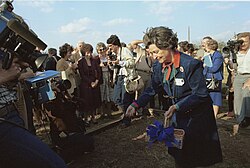
- Founder: Established in 1982 by Lady Bird Johnson and actress Helen Hayes.
- Ownership: Part of The University of Texas at Austin since 2006.
- Scale: 284 acres featuring more than 970 plant species.
- Specialty: Home to the most comprehensive native plant database in the U.S., covering over 9,000 North American species.
- Recognition: Named the No. 1 site for viewing wildflowers in Texas by Texas Country Reporter in 2013.
A History of Conservation
The center began in 1982 as the National Wildflower Research Center on a 60-acre site in East Austin. Due to overwhelming public interest in native gardening, the organization moved to its current Southwest Austin location on La Crosse Avenue in 1995. This new campus featured award-winning buildings designed by Overland Partners to harmonize with the regional architecture of the Hill Country.
In 1997, the institution was officially renamed the Lady Bird Johnson Wildflower Center. To combat encroaching land development, the center expanded by an additional 237 acres by 2002. This growth allowed for larger-scale ecological research on the Central Texas region and the development of strategies to restore healthy native landscapes.
Gardens and Specialized Collections
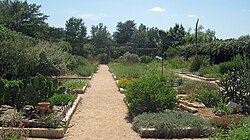
The center balances wild landscapes with meticulously curated spaces. It features 9 acres of cultivated gardens, including the Ann and O.J. Weber Pollinator Habitat Garden and the Luci and Ian Family Garden. The latter, a 4.5-acre space opened in 2014, includes a walk-in grotto, a wading creek, and a maze of native hedges.
The Mollie Steves Zachry Texas Arboretum
A standout feature of the campus is the 16-acre Mollie Steves Zachry Texas Arboretum. Dedicated in 2011 and opened in 2012, this arboretum—a botanical collection composed exclusively of trees—displays all 53 species of oak trees native to the state of Texas.
Research and Global Impact
Beyond its physical gardens, the center is a leader in environmental sustainability. In collaboration with the American Society of Landscape Architects and the U.S. Botanic Garden, it led the Sustainable Sites Initiative. This program created performance benchmarks for sustainable land design, which are now offered through the GBCI (Green Business Certification Inc.).
Visitors can explore the grounds via miles of walking trails, visit the onsite cafe and gift store, or attend biannual native plant sales. For those arriving via public transit, the center is accessible via the Violet Crown Trail.
| Feature | Details |
|---|---|
| Location | Austin, Texas |
| Total Area | 284 acres |
| Plant Species | 970+ |
| Established | 1982 |
| Affiliation | University of Texas at Austin |
| Key Attraction | Mollie Steves Zachry Texas Arboretum |
Frequently Asked Questions
What is the primary mission of the Wildflower Center?
The center's current mission is "inspiring the conservation of native plants" and promoting the environmental benefits of native plant landscapes.
Who founded the center and when?
The center was founded in 1982 by former first lady Lady Bird Johnson and actress Helen Hayes.
What makes the Texas Arboretum unique?
The Mollie Steves Zachry Texas Arboretum is unique because it displays all 53 species of oak trees that are native to Texas.
Does the center provide resources for plants outside of Texas?
Yes, the center hosts the most comprehensive native plant database in the U.S., featuring profiles of more than 9,000 North American native plants.
How can visitors access the center?
Visitors can use the onsite parking lot or access the center via the Violet Crown Trail for those using public transit or walking.