La Boca: The Vibrant Heart of Buenos Aires Culture and Football
Located in the southeast of the Argentine capital, La Boca (Spanish for "the Mouth") is one of the most iconic neighborhoods, or barrios, in Buenos Aires. Named likely after the mouth of the Matanza River, this district serves as a living museum of the city's immigrant history and a global symbol of passion, from its brightly colored streets to its legendary football stadium.
During the 20th century, La Boca's proximity to the Port of Buenos Aires transformed it into a cultural melting pot. Millions of immigrants from Asia and Europe settled here, with a particularly strong influence from the Liguria region of Italy. This blend of backgrounds helped shape porteño culture (the distinct culture of Buenos Aires residents) and provided the fertile ground necessary for the early development of tango.
Key Facts
- Location: Southeast Buenos Aires, Argentina (Comuna C4).
- Population: 44,205 (as of 2022).
- Population Density: 13,000 people per square kilometer.
- Primary Landmarks: Caminito and Estadio Alberto J. Armando.
- Cultural Significance: Birthplace of early tango and home to Boca Juniors.
Geography and Layout
La Boca occupies a total area of 3.3 square kilometers. It is bordered to the north by Puerto Madero and San Telmo, and to the west by the neighborhood of Barracas. To the south, across the Matanza River, lies the Dock Sud neighborhood of Avellaneda Partido in the Buenos Aires Province. These two areas are linked by the Puente Nicolás Avellaneda bridge.
A History of Rebellion and Resilience
The history of La Boca is marked by a fierce independent spirit known as garra—a fighting spirit characterized by a hardworking, no-nonsense attitude. This identity often stood in contrast to the wealthier citizens of northern Buenos Aires.
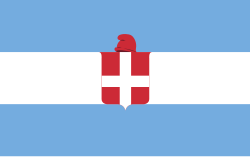
This rebellious streak manifested in several political attempts at secession. In 1882, following a general strike, rebels raised the Genoese flag, though it was quickly removed by President Julio Argentino Roca. Later, the neighborhood established itself as a micronational republic in 1907, with subsequent attempts lasting from 1923 to 1972 and another established in 1986. Evidence of this micronational history can still be seen in local graffiti.
Politically, the area has been a hub for radicalism. In 1935, La Boca elected Alfredo Palacios, the first socialist member of the Argentine Congress, and the neighborhood remained a center for demonstrations during the 2001 crisis.
Football: The Soul of the Barrio
La Boca is synonymous with football, most notably as the home of Boca Juniors, one of Argentina's two largest sports clubs. The team plays at the Estadio Alberto J. Armando, famously known as La Bombonera ("the bonbon box").
Interestingly, the rival club River Plate also originated in La Boca. However, in 1938, River Plate relocated to the Núñez neighborhood in the north. This move mirrored a social shift, as River Plate became associated with the city's elite, while Boca Juniors remained rooted in the working-class identity of the barrio. During the early 20th century, the scarcity of available land—much of which was owned by the state or corporations—made securing soccer pitches a significant challenge for local citizens.
Tourism and Modern Challenges
Today, La Boca is a major tourist destination. The most famous attraction is Caminito, a pedestrian street lined with brightly painted houses where visitors can watch tango dancers and buy memorabilia. The area also features the La Ribera theatre, various Italian taverns, and numerous tango clubs.
While the tourist zone is vibrant and well-developed, the surrounding neighborhood remains relatively poor and experiences frequent reports of petty crime. Furthermore, environmental issues persist; as of 2016, over 1,000 residents faced health threats due to high levels of lead and arsenic pollution in the Matanza-Riachuelo River, the result of centuries of industrial waste.
| Category | Details |
|---|---|
| Total Area | 3.3 km² (1.3 sq mi) |
| Population (2022) | 44,205 |
| Time Zone | UTC−3 (ART) |
| Key Sports Club | Boca Juniors |
| Famous Street | Caminito |
Frequently Asked Questions
What is Caminito?
Caminito is a famous pedestrian street in La Boca known for its brightly colored houses, street art, and tango performances, serving as a primary hub for tourists.
Why is La Boca associated with Italian culture?
Because of its location near the port, the neighborhood attracted many immigrants in the 20th century, particularly from the Liguria region of Italy, who influenced the local architecture and culture.
What is "La Bombonera"?
La Bombonera is the popular nickname for the Estadio Alberto J. Armando, the home stadium of the Boca Juniors football club.
Did River Plate start in La Boca?
Yes, River Plate originally started in La Boca but moved to the Núñez neighborhood in 1938, eventually becoming associated with the city's upper class.
What are the environmental concerns in the area?
The Matanza-Riachuelo River suffers from severe pollution, with high levels of arsenic and lead that have threatened the health of over 1,000 local citizens.