Korean History: From Prehistoric Origins to the Modern Era
The history of the Korean Peninsula is a sweeping saga of resilience, cultural sophistication, and political evolution. From the earliest nomadic settlers of the Paleolithic era to the high-tech societies of the modern day, Korea has navigated its position between major continental powers while forging a distinct national identity.
Key Facts
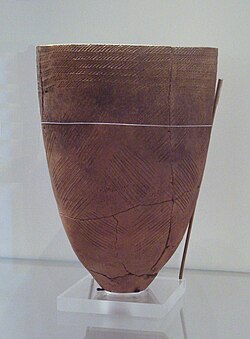
- Earliest Pottery: Dates back to approximately 8000 BC.
- Founding Myth: Gojoseon was mythically founded in 2333 BC.
- Three Kingdoms: Goguryeo, Baekje, and Silla dominated the peninsula from 57 BC to 668 AD.
- Unification: Silla unified the peninsula in 676 AD.
- Modern Division: The peninsula was divided into North and South Korea following World War II and the Korean War (1945–1953).
Prehistoric Foundations
Human activity on the Korean Peninsula and in Manchuria began during the Lower Paleolithic era, roughly half a million years ago. While these early inhabitants are likely not the direct ancestors of modern Koreans, the Neolithic period—beginning around 8000 BC—marked a pivotal shift. The direct ancestors of the present Korean people are thought to have emerged during the Neolithic era around 2000 BC.
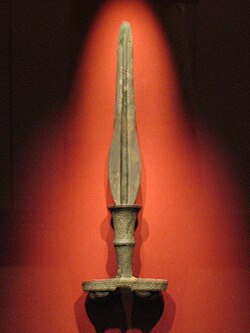
The transition to the Bronze Age occurred by 2000 BC, followed by the Iron Age around 700 BC, setting the stage for the rise of organized states and complex social hierarchies.
Ancient Korea and the First Kingdoms
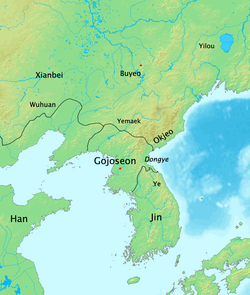
According to the Samguk yusa (written in 1281), the kingdom of Gojoseon was founded in 2333 BC across northern Korea and southern Manchuria. This early state is also mentioned in the ancient Chinese text Guanzi. By the 3rd century BC, the Jin state had formed in the southern regions of the peninsula.
The fall of Gojoseon to the Han dynasty of China in the late 2nd century BC led to a period of instability and the establishment of Chinese commanderies, eventually transitioning into the Proto-Three Kingdoms period.
![The Four Commanderies of Han, established in the former territory of Gojoseon after the fall of Wiman Joseon.[54] The location of the commanderies has become a controversial topic in Korea in recent years.[55] However, the location of the commanderies is not controversial outside of Korea.[note 1]](/images/99/2c/992cc2d1d5544260b42f215c7731b7a0cd6fdbbf3f247ad574c63e7b74c8fa9f.png)
The Three Kingdoms and Unification
From the 1st century BC, three major powers rose to prominence: Goguryeo in the north, Baekje in the southwest, and Silla in the southeast. These Three Kingdoms (57 BC–668 AD) competed for control over the peninsula and parts of Manchuria.
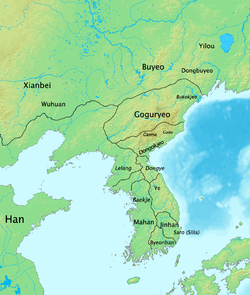
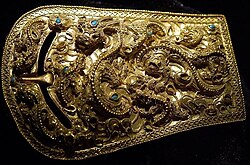
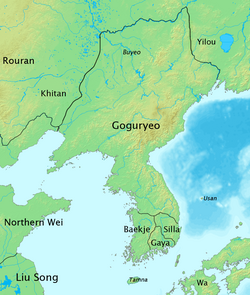
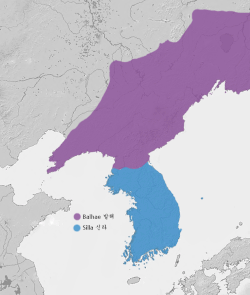
Silla eventually succeeded in unifying the peninsula in 676 AD. However, in 698 AD, Dae Jo-young established Balhae in the former territories of Goguryeo. This created the Northern and Southern States period, where Balhae and Unified Silla coexisted until 926 AD.
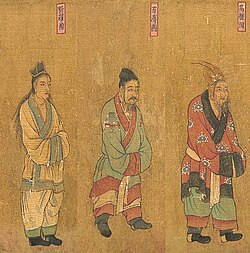
![Korean (Goguryeo) ambassadors during an audience with King Varkhuman of Samarkand. They are identified by the two feathers on top of their head.[69] 648–651 AD, Afrasiab murals, Samarkand.[70][71]](/images/89/bf/89bf541226e100b3ca8a22d037eb80302fc0dbcae54237c54804bb0558230bc2.jpg)
Cultural and Architectural Achievements
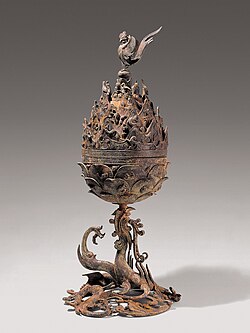
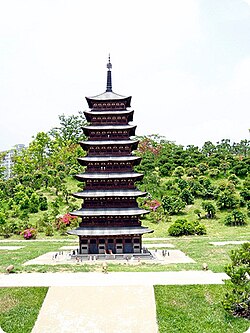
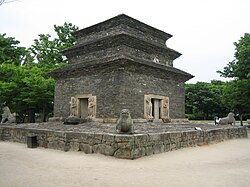
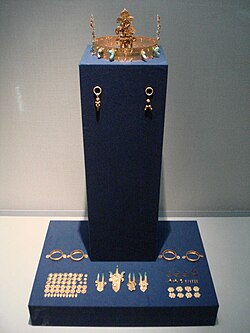
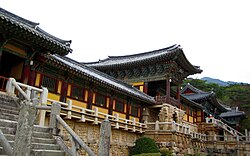
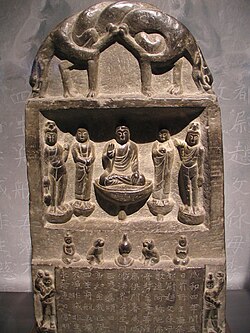
This era saw a flourish of Buddhist art and architecture. Notable examples include the 80-meter-tall pagoda at Hwangnyongsa Temple (later destroyed) and the Bunhwangsa temple pagoda, built in 634 AD. The period is also characterized by exquisite gold crowns and the UNESCO World Heritage site of Bulguksa Temple.
The Imperial Dynasties: Goryeo and Joseon
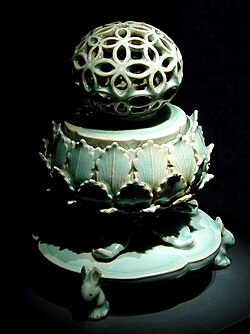
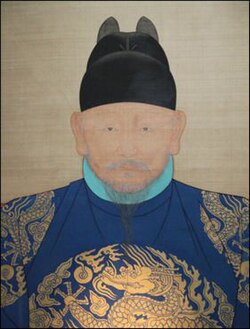
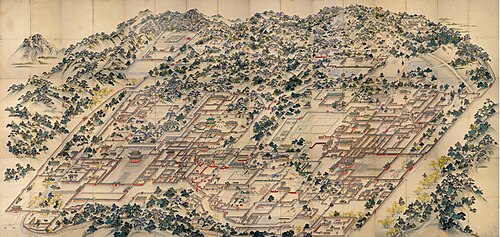
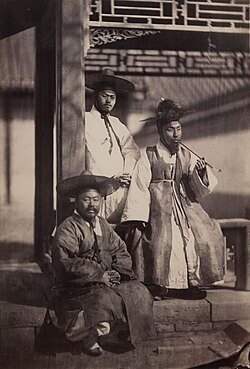
Following the North and South States period, the Goryeo dynasty (918–1392) emerged, known for its distinctive celadon pottery and kingfisher-colored glazes. Goryeo was succeeded by the Joseon dynasty, which shaped much of Korea's traditional social structure, including the yangban (aristocratic scholar-official class).
Modern History and Division
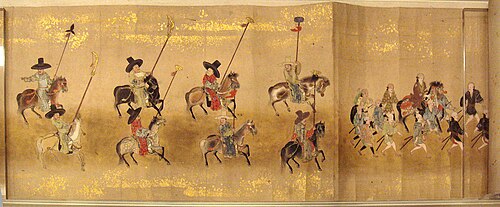
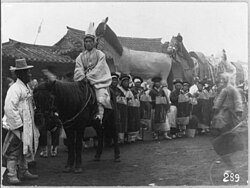
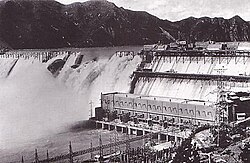
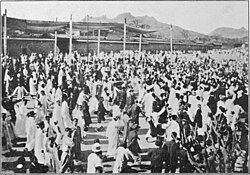
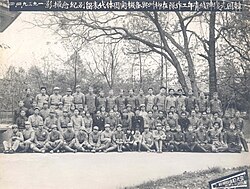
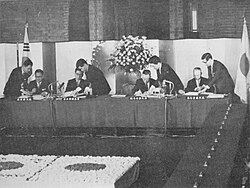
The 19th century brought significant upheaval. The Korean Empire was established in 1897, but the nation soon fell under Japanese rule from 1910 to 1945. This period was marked by resistance, including the March First Movement of 1919 and the efforts of the Korean Liberation Army.
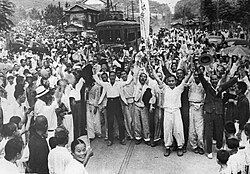
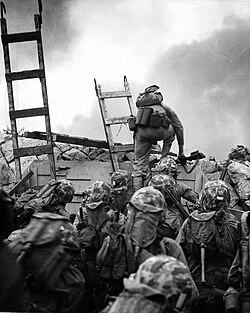
Following liberation in 1945, the peninsula was divided. The Moscow Conference and subsequent trusteeship controversies failed to produce a unified government, leading to the establishment of two separate states. The Korean War (1950–1953) further solidified this division, with decisive moments such as the Incheon landing.
| Era/Dynasty | Approximate Timeframe | Key Characteristic |
|---|---|---|
| Neolithic | 8000 BC – 2000 BC | Earliest pottery and direct ancestry |
| Gojoseon | 2333 BC – 108 BC | First mythic and recorded kingdom |
| Three Kingdoms | 57 BC – 668 AD | Competition between Goguryeo, Baekje, and Silla |
| Unified Silla & Balhae | 676 AD – 926 AD | North and South States period |
| Goryeo | 918 AD – 1392 AD | Celadon art and cultural consolidation |
| Joseon | 1392 AD – 1897 AD | Confucian society and yangban class |
| Modern Era | 1945 AD – Present | Division into North and South Korea |
Frequently Asked Questions
Who are the direct ancestors of modern Koreans?
While Paleolithic people lived on the peninsula half a million years ago, the direct ancestors of present-day Koreans are believed to be the Neolithic people from around 2000 BC.
What were the Three Kingdoms of Korea?
The Three Kingdoms were Goguryeo, Baekje, and Silla. They controlled the Korean Peninsula and parts of Manchuria from 57 BC until Silla unified them in 676 AD.
What was the significance of the Northern and Southern States period?
This period (698–926 AD) saw the coexistence of Unified Silla in the south and Balhae, established by Dae Jo-young in the north in the former territories of Goguryeo.
How did the division of Korea occur?
Following liberation from Japanese rule in 1945, failure to agree on a unified government during the Moscow Conference and subsequent trusteeship disputes led to the creation of two separate states, a division further cemented by the Korean War.