Knights Hospitaller of Saint John of Jerusalem
The Knights Hospitaller, formally known as the Order of Knights of the Hospital of Saint John of Jerusalem, represent one of the most enduring institutions in Christian history. Founded in the 12th century, this Catholic military order evolved from a humble charitable hospital into a powerful sovereign force that shaped the geopolitical landscape of the Mediterranean for centuries.
Originally established to provide care for sick and injured pilgrims in the Holy Land, the Order eventually merged the duties of medical care with military defense. This unique duality allowed them to survive the fall of the Crusader states and transition through various headquarters, from Jerusalem to Rhodes and eventually Malta.
Key Facts
- Founded: February 15, 1113, by Pope Paschal II.
- Primary Mission: Care for the poor and sick, and the defense of the Holy Land.
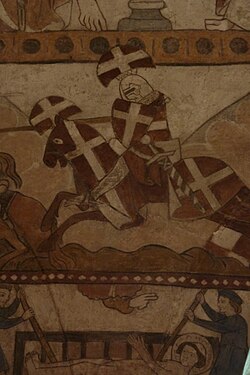
- Key Symbols: The eight-pointed cross (later known as the Maltese cross) and a silver cross on a red field.
- Major Headquarters: Jerusalem, Acre, Rhodes, and Valletta (Malta).
- Current Status: Continues today as the Sovereign Military Order of Malta.
Foundations and the Rise of a Military Order
The origins of the Hospitallers lie in the Cluniac movement, a reformist branch of the Benedictine monastic order focused on devotion and charity. In the 11th century, merchants from Amalfi established a hospital in Jerusalem dedicated to John the Baptist. Under the leadership of Blessed Gerard, a Benedictine lay brother, the hospital became a sanctuary for Christian pilgrims.
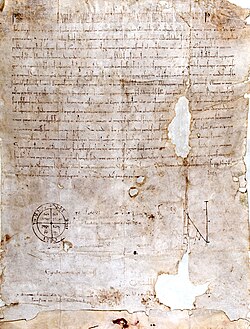
Following the First Crusade's conquest of Jerusalem in 1099, the organization grew in prominence. In 1113, Pope Paschal II officially recognized the Hospitallers as a distinct order within the Roman Catholic Church, granting them papal protection and confirming their properties across Europe and Asia.
Militarization and the Crusades
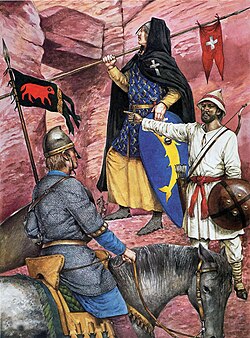
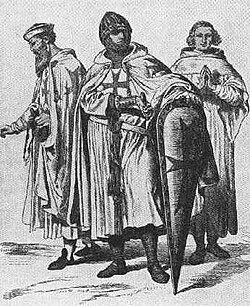
By the 1120s and 1130s, the Order began to militarize. While it is believed they initially hired secular knights for security, the organization eventually integrated fighting members into ranks of knights and sergeants. Raymond du Puy, who succeeded Gerard in 1120, is credited with establishing this military element, allowing the Order to actively defend the Kingdom of Jerusalem.
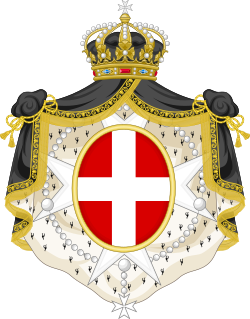
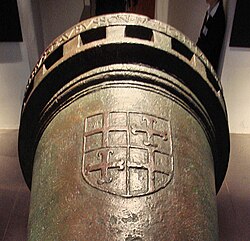
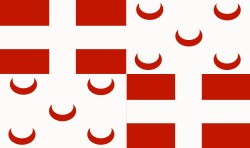
To distinguish them from the Knights Templar, Pope Innocent II granted the Order a coat of arms featuring a silver cross on a red field in 1130. They also adopted the eight-pointed cross, a symbol likely originating in the Byzantine Empire.
The Era of Rhodes and Malta
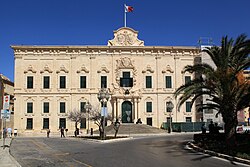
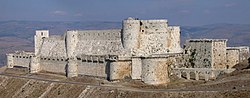
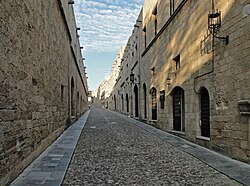
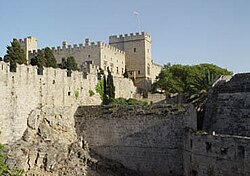
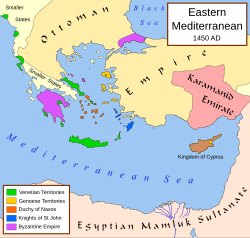
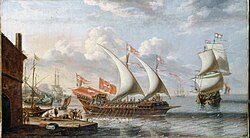
After the fall of Acre in 1291, the Hospitallers lost their foothold in the Holy Land. They briefly operated from Cyprus before conquering the island of Rhodes in 1310. As sovereign rulers of Rhodes, they became a naval power, defending the eastern Mediterranean against Ottoman expansion.
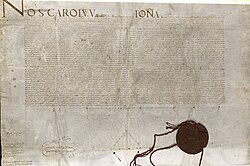
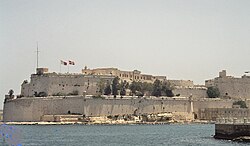
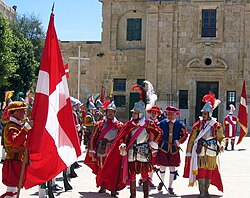
In 1522, after a prolonged siege, the Knights were forced to leave Rhodes. In 1530, Emperor Charles V granted them the islands of Malta and Gozo, along with Tripoli. This transition marked the beginning of their era as the Knights of Malta, where they built the fortified city of Valletta and served as a vassal state under the Spanish viceroy of Sicily.
Naval Warfare and Global Reach
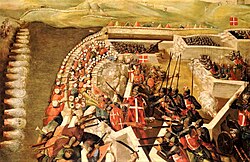
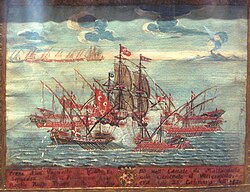
The Order became renowned for its naval strength, engaging in numerous battles against the Ottoman Empire, most notably during the Great Siege of Malta in 1565 and the Battle of Lepanto in 1571. Their influence even extended briefly to the Americas; in the mid-17th century, the Order acquired several Caribbean islands, including Saint Kitts and Saint Martin, before selling them to the French West India Company in the 1660s.
Decline and Modern Successors
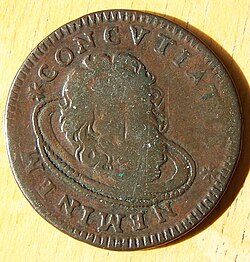
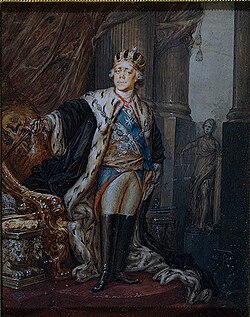
The Order's territorial sovereignty ended in 1798 when Napoleon Bonaparte's French forces invaded Malta. This loss of land led to a period of fragmentation and decline, particularly as the French National Assembly abolished the Order within France in 1789.
Despite the loss of their sovereign territory, the spirit of the Hospitallers persisted through several successor organizations:
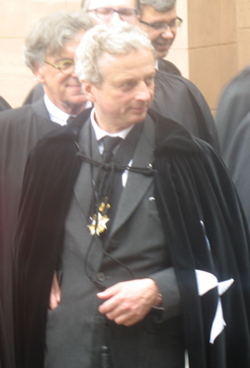
- Sovereign Military Order of Malta: Re-established in 1822, this Catholic order continues the original mission of humanitarian aid and medical care.
- Most Venerable Order of Saint John: A British order recreated in 1831 and granted a royal charter by Queen Victoria in 1888. It is best known today for the St John Ambulance Brigade and the Saint John Eye Hospital in Jerusalem.
Summary of the Order's Evolution
| Period | Primary Headquarters | Primary Role | Key Transition |
|---|---|---|---|
| 1113–1291 | Jerusalem / Acre | Hospitality & Defense | Papal recognition and militarization |
| 1310–1522 | Rhodes | Sovereign Naval Power | Shift to Mediterranean maritime defense |
| 1530–1798 | Malta | Vassal State / Naval Defense | Defense against Ottoman Empire |
| 1822–Present | Rome (SMOM) | Humanitarian Aid | Transition to non-territorial sovereignty |
Frequently Asked Questions
What is the difference between the Knights Hospitaller and the Knights Templar?
While both were Catholic military orders, the Hospitallers began as a medical organization focused on caring for the sick and poor, whereas the Templars were primarily focused on protecting pilgrims. The Hospitallers survived the dissolution of the Templars in 1312 and even inherited much of the Templars' property.
What does the eight-pointed cross represent?
The eight-pointed cross, which later became known as the Maltese cross, is a central symbol of the Order. It is believed to have originated in the Byzantine Empire and was adopted by the monks who founded the Hospital of St John.
Did the Knights Hospitaller ever own land in the Americas?
Yes. In the mid-17th century, the Order briefly acquired four Caribbean islands, including Sainte-Christophe (Saint Kitts), Saint Martin, and Saint Barthélemy. These were turned over to France in the 1660s.
Does the Order of Saint John still exist today?
Yes, in several forms. The Sovereign Military Order of Malta continues the Catholic tradition, while the Most Venerable Order of Saint John operates primarily in the Commonwealth and the United States, managing the St John Ambulance Brigade.
Who is the current head of the Order?
The current Grand Master of the Sovereign Military Order of Malta is John T. Dunlap.