Joint Security Area: A History of the Korean Demilitarized Zone
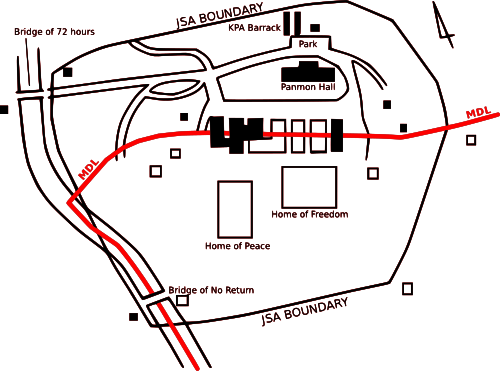
The Joint Security Area (JSA), located within the Korean Demilitarized Zone (DMZ), stands as one of the most significant geopolitical landmarks in the world. Established following the 1953 Korean Armistice Agreement, this roughly circular enclave, approximately 800 meters wide, serves as a neutral zone bisected by the Military Demarcation Line (MDL)—the boundary separating North and South Korea.
For decades, the JSA was a site of intense military presence and high-stakes diplomacy. However, recent years have seen a transformative shift toward demilitarization and tourism. Following agreements in 2018, the area was cleared of landmines, weapons, and guard posts, transitioning from a fortified military zone into a space primarily intended for historical interest and diplomatic engagement.
Key Facts
- Location: Within the Korean Demilitarized Zone (DMZ).
- Establishment: Created in 1953 via the Korean Armistice Agreement.
- Current Status: Demilitarized; contains 35 unarmed UNC personnel and 35 unarmed KPA personnel.
- Primary Function: Diplomatic site and tourist attraction.
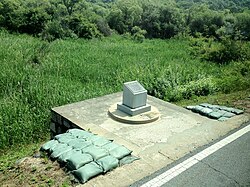
- Key Boundary: The Military Demarcation Line (MDL).
Historical Evolution and Major Events
Since its inception, the JSA has hosted critical operations and witnessed significant historical moments. In the immediate aftermath of the cessation of hostilities in 1953, the area facilitated the repatriation of prisoners of war (POWs) via the Bridge of No Return.
The Mid-20th Century: Conflict and Tension
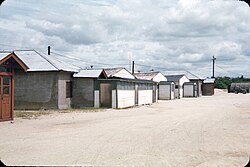
The 1950s and 1960s were marked by various military operations and incidents. Notable events included Operation Little Switch and Operation Big Switch in 1953, which involved the exchange of personnel. In August 1967, a violent incident occurred when KPA soldiers attacked the United States Army Support Group Advance Camp (now Camp Bonifas), resulting in two deaths and twenty-four injuries. This event led to the relocation of the southern boundary fence for the DMZ.
The Era of Diplomacy and Hotlines
As the decades progressed, the JSA became a venue for communication. In 1971, the first hotline between North and South Korea became operational to facilitate negotiations between the respective Red Cross organizations. By the 2000s, this network had expanded to 33 hotlines running through the Panmunjom area.
Modern Transformations and 2018 Agreements
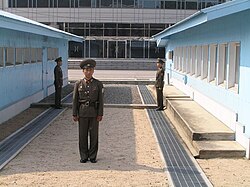
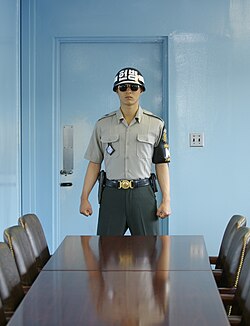
A major turning point occurred in 2018. Following high-level meetings, North and South Korean officials agreed to clear the JSA of all weapons and guard posts. By October 25, 2018, the withdrawal was complete. The area is now patrolled by a total of 70 unarmed guards—35 from the United Nations Command (UNC) and 35 from the Korean People's Army (KPA).
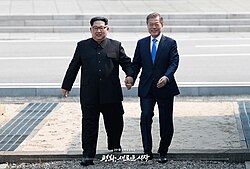
This period also saw historic diplomatic crossings. In April 2018, leaders from both Koreas met at the JSA, an event that paved the way for an agreement allowing tourists to walk across the MDL in a manner reenacting that historic border crossing.
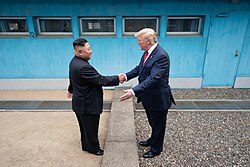
JSA Layout and Landmarks
The JSA is organized into specific zones and structures that reflect its divided nature. The layout includes various pavilions and houses that serve as meeting points or administrative centers.
North Korean Side
- Panmun Pavilion: A key structure on the northern side.
- Unification Pavilion: Located within the northern sector.
- Panmungak: The main North Korean building.
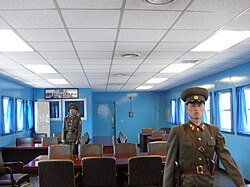
South Korean and UN Command Side
- Freedom House: A prominent building on the southern side.
- Peace House: Located within the southern sector.
Neutral and Joint Structures
The area also contains neutral buildings, designated as T1 through T3, which facilitate joint activities and meetings.
Summary of JSA Characteristics
| Feature | Details |
|---|---|
| Type of Zone | Demilitarized Zone (DMZ) |
| Primary Boundary | Military Demarcation Line (MDL) |
| Security Personnel | 70 unarmed guards (35 UNC / 35 KPA) |
| Key Landmarks | Freedom House, Panmungak, Peace House |
| Main Use | Tourism and Diplomacy |
Frequently Asked Questions
Is the JSA still a heavily armed military zone?
No. As of October 25, 2018, the JSA has been demilitarized. All landmines, weapons, and guard posts were removed, and the area is now occupied by unarmed security personnel.
What is the Military Demarcation Line (MDL)?
The MDL is the line that bisects the Joint Security Area, serving as the official border separating North and South Korea.
Can tourists visit the JSA?
Yes, the area is intended to serve mainly as a tourist attraction, following agreements made in 2018 to allow for increased access and historical reenactments of border crossings.
Who manages the security in the JSA?
Security duties are shared. Following the 2018 agreements, the United Nations Command (UNC) transferred primary guard duties to both North and South Korea, with the area currently staffed by 35 unarmed UNC personnel and 35 unarmed KPA personnel.
What happened during the 1967 incident?
In August 1967, KPA soldiers attacked the U.S. Army Support Group Advance Camp (Camp Bonifas), resulting in two deaths and twenty-four injuries. This led to the relocation of the DMZ's southern boundary fence.