Jacob Zuma: The Political Journey of South Africa's 4th President
Jacob Gedleyihlekisa Zuma is a central and controversial figure in the history of post-apartheid South Africa. Serving as the 4th President of South Africa from 2009 to 2018, his tenure was marked by a complex blend of populist appeal, significant diplomatic engagement, and enduring legal battles. From his early days as an anti-apartheid activist to his leadership of the African National Congress (ANC), Zuma's career reflects the turbulent evolution of South African governance.
Key Facts
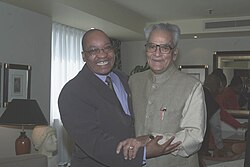
- Presidency: Served as President of South Africa from May 9, 2009, to February 14, 2018.
- Party Leadership: President of the African National Congress (ANC) from 2007 to 2017.
- Early Activism: Involved in anti-apartheid struggles, including membership in the Communist Party (1963–1990).
- Legal Challenges: Faced multiple corruption indictments and a high-profile rape trial.
- Current Role: President of the uMkhonto weSizwe (MK) political party since December 2023.
Rise to Power and Early Political Career
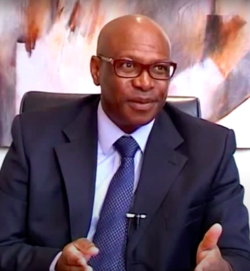
Jacob Zuma's political ascent began within the African National Congress (ANC) and its armed wing, uMkhonto weSizwe (MK). He climbed the party ranks steadily, serving as Deputy Secretary-General (1991–1994), National Chairperson (1994–1997), and Deputy President of the ANC (1997–2007). On a national level, he served as the Deputy President of South Africa from 1999 to 2005 under President Thabo Mbeki.
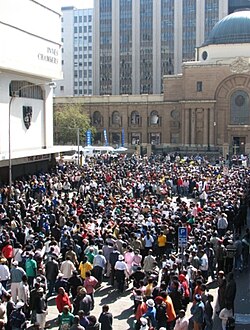
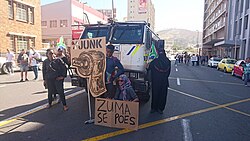
Despite his rise, Zuma's path was fraught with legal hurdles. He faced a first corruption indictment and a rape trial, the latter of which drew massive public attention and crowds of supporters outside the Johannesburg High Court.
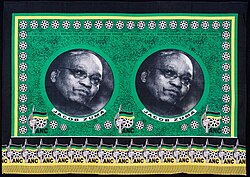
Despite these controversies, Zuma maintained immense popularity among his base, eventually winning the ANC presidency in December 2007, which paved the way for his national presidency.
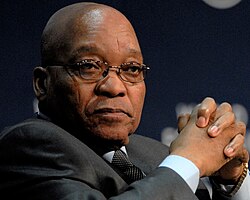
The Presidency (2009–2018)
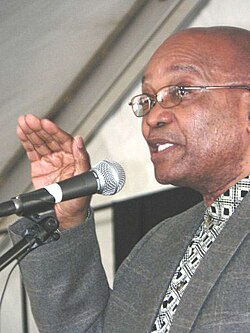
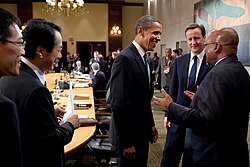
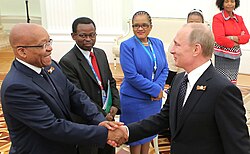
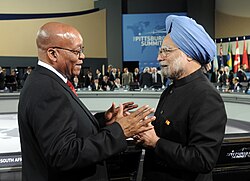
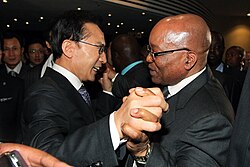
Zuma assumed the presidency on May 9, 2009. His administration focused on Radical Economic Transformation, aiming to reform economic spending and address systemic inequality. Internationally, he represented South Africa at the G8 and G20 summits, maintaining relations with global leaders including Barack Obama and Vladimir Putin.
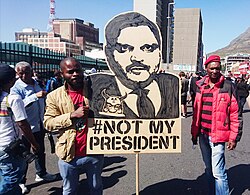
However, his presidency was overshadowed by allegations of state capture—a term referring to systemic political corruption where private interests influence a state's decision-making processes for their own benefit. Central to these allegations were his ties to the Gupta family.
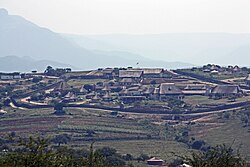
One of the most prominent scandals involved his Nkandla homestead in KwaZulu-Natal. The use of state funds for upgrades to his private residence led to significant public outcry and a ruling that he had breached his oath of office.
Zuma's presidency ended in February 2018 when he resigned under pressure from the ANC, succeeding by Cyril Ramaphosa.
Post-Presidency and Legal Battles
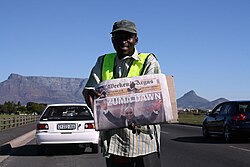
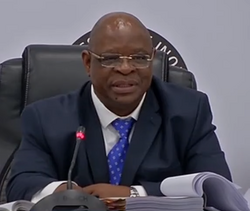
Following his resignation, Zuma's legal troubles intensified. He was called to testify before the Zondo Commission, a public inquiry into state capture. His tenure at the commission was marked by clashes with the chairperson, Deputy Chief Justice Raymond Zondo.
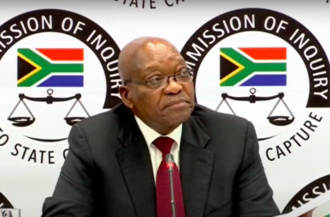
His refusal to comply with certain court orders led to a contempt of court charge, resulting in his arrest and brief imprisonment in 2021, before he was released on medical parole. In December 2023, he transitioned back into active politics by assuming the presidency of the uMkhonto weSizwe political party.
Personal Life and Public Image
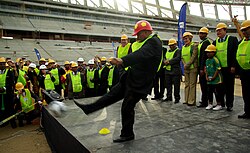
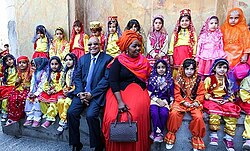
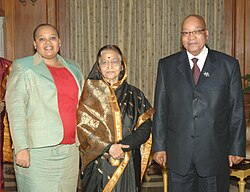
Jacob Zuma is well-known for his practice of polygamy, having had multiple wives and an estimated 20 children. His public persona was often characterized by his trademark laugh and a populist communication style that resonated with many South Africans.
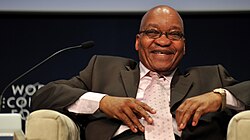
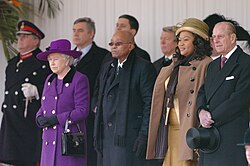
Throughout his career, he received numerous international honors, including the Order of José Martí from Cuba and the Knight Grand Cross of the Most Honourable Order of the Bath from the United Kingdom.
| Position | Organization/State | Tenure |
|---|---|---|
| President | South Africa | 2009–2018 |
| President | African National Congress | 2007–2017 |
| Deputy President | South Africa | 1999–2005 |
| Deputy President | African National Congress | 1997–2007 |
| President | uMkhonto weSizwe (Party) | 2023–Present |
Frequently Asked Questions
When did Jacob Zuma serve as President of South Africa?
Jacob Zuma served as the 4th President of South Africa from May 9, 2009, until his resignation on February 14, 2018.
What was the Zondo Commission?
The Zondo Commission was a judicial inquiry established to investigate allegations of state capture and systemic corruption during Jacob Zuma's administration.
What is the significance of the Nkandla homestead?
The Nkandla homestead became a symbol of controversy due to the use of government funds for extensive upgrades to Zuma's private residence, leading to legal challenges regarding the breach of his oath of office.
Which political party does Jacob Zuma currently lead?
Since December 16, 2023, Jacob Zuma has served as the President of the uMkhonto weSizwe (MK) political party.
How many children does Jacob Zuma have?
It is estimated that Jacob Zuma has 20 children from his various marriages.