Italian Argentines: The Legacy of Italy's Greatest Diaspora in South America

Italian Argentines: The Legacy of Italy's Greatest Diaspora in South America

The story of Italian Argentines (known in Spanish as Italoargentinos) is one of the most significant migratory movements in modern history. With an estimated 25 to 30 million people of Italian ancestry, roughly 62.5% of Argentina's population shares a biological or cultural link to Italy. This massive influx of people transformed Argentina from a colonial outpost into a cosmopolitan nation, blending Mediterranean traditions with South American identity.

From the bustling ports of Buenos Aires to the remote reaches of Tierra del Fuego, the Italian influence is woven into the very fabric of Argentine society, affecting everything from the way people speak to the food they eat and the leaders they elect.
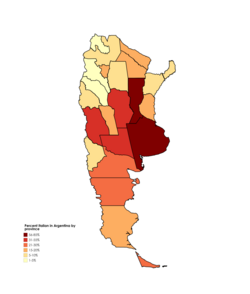
Percent of Italian Argentines in each Argentine Region in 2022

Key Facts

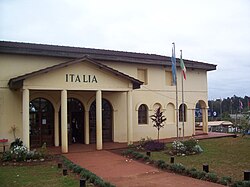
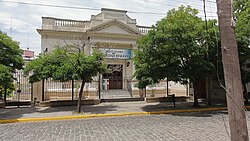
House of the Italian Argentines of Oberá, Misiones
  • Population: Between 25 and 30 million people of Italian ancestry.
  • Demographic Reach: Approximately 62.5% of the total Argentine population.
  • Peak Immigration: The period between 1861 and 1920 saw over 2.2 million Italians arrive.
  • Regional Concentration: The highest concentration of Italian-born residents is found in the Province of Buenos Aires and the City of Buenos Aires (CABA).
  • Cultural Impact: Profound influence on Argentine cuisine, language (Lunfardo), and the arts.

The History of Italian Immigration
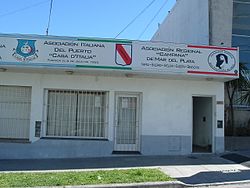
Italian association of Italian-Argentines originally from the Campania region in Mar del Plata

Italian immigration to Argentina was driven by a combination of economic hardship in Italy and the welcoming policies of the Argentine government. Article 25 of the Argentine constitution played a pivotal role in encouraging European settlement to develop the nation's land and economy.

The migration occurred in waves, shifting in origin over time. In the early years (1880–1884), the majority of immigrants arrived from Northwest Italy. However, by the early 20th century, there was a dramatic shift toward Southern and insular Italy. By 1910–1914, over 54% of new arrivals hailed from the south.
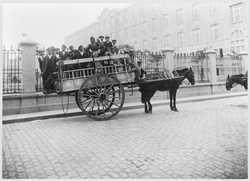
Italian immigrants aboard a cart at the Hotel de Inmigrantes in Buenos Aires

Immigration Trends (1861–1920)

The scale of the movement is evident in the census data. Between 1861 and 1920, Italians made up a dominant share of all immigrants arriving in the country, peaking in the late 19th century.
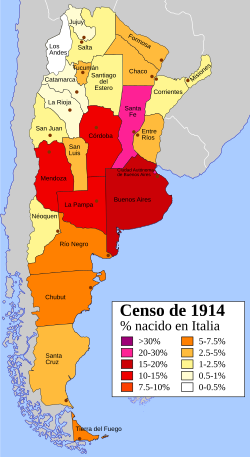
Percentage of Italian-born immigrants in the 1914 Argentine census by provinces and territories

Upon arrival, many immigrants stayed in urban centers like Buenos Aires, living in conventillos (crowded tenement houses), while others moved to the interior to establish agricultural colonies in provinces like Misiones and Chaco.
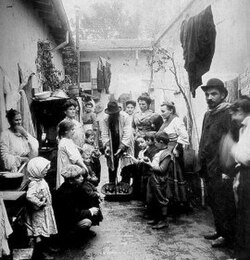
Italian immigrants in a conventillo in Buenos Aires
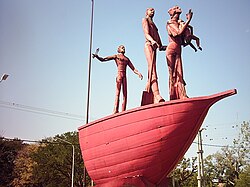
A sculpture symbolizing first Italian immigrants' arrival to Resistencia, Chaco

Geographic Distribution

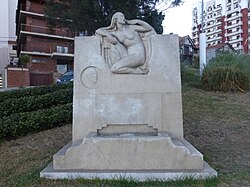
Allegory of the Italian Argentines of Molise region origin in Mar del Plata

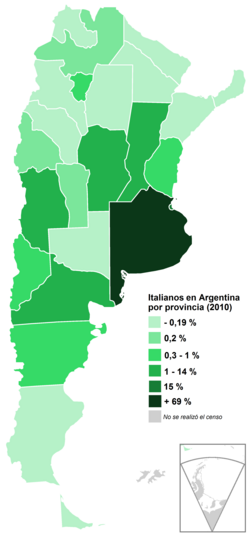
While Italian Argentines are found throughout the country, the Pampas region remains the primary hub. According to the 2010 census, the Province of Buenos Aires held the highest number of Italian-born residents, followed by the capital city.

Distribution of Italian-born Residents in Argentina (2010 Census)
Rank Province/City Number of Italian-born Percentage
1 Buenos Aires Province 102,037 69.17%
2 Buenos Aires (CABA) 22,168 15.00%
3 Santa Fe 7,875 5.34%
4 Córdoba 4,894 3.31%
5 Mendoza 3,786 2.50%
Percentage of Italian-born in Argentina by province according to the 2010 census

Cultural Integration and Influence

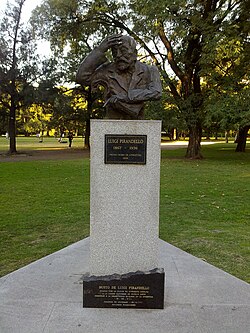
Monument to Luigi Pirandello, a gift of the Italian city of Agrigento (Sicily) to the Argentine city of Buenos Aires and tribute to the Sicilian community in Argentina

Language and Dialect

The Italian influence is most audible in the local slang and cadence of Argentine Spanish. Many common terms are derived from Italian or regional dialects (such as Neapolitan, Venetian, and Piedmontese):

  • Laburar: To work (from lavorare).
  • Fiaca: Laziness (from fiacco).
  • Pibe: Boy (from pivo).
  • Manyar: To eat or understand (from mangiare).

Gastronomy

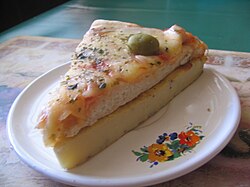
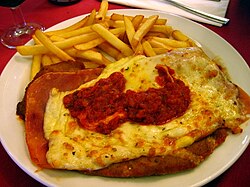
Argentine cuisine is inextricably linked to Italian traditions. Pasta is a staple of the national diet, and several unique Argentine-Italian fusion dishes have emerged, such as Milanesa a la napolitana and Sorrentinos. The tradition of eating pizza over fainá (a chickpea flour pancake) is a hallmark of Buenos Aires food culture.
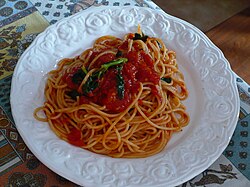
Pasta is a feature of the Argentine cuisine
"Milanesa a la napolitana" with French fries
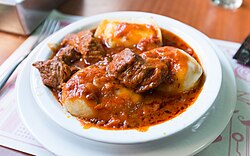
Argentine "Sorrentinos"
Argentine "Pizza over Fainá"

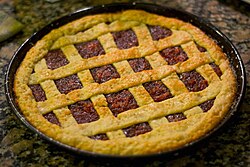
Cheese production also reflects this heritage, with varieties like Reggianito and Sardo being widely consumed, alongside desserts like Pasta frola.
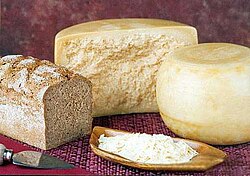
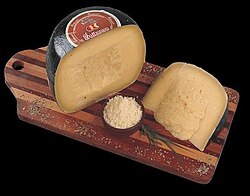
Argentine "Reggianito"
Argentine "Sardo"
Argentine "Sardo"
Argentine "Pasta frola"

Prominent Italian-Argentine Figures
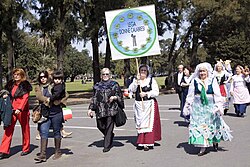
Women of the Calabrian community of Buenos Aires

The contribution of the Italian diaspora extends to every sector of Argentine public life, from politics and religion to sports and the arts.

Politics and Religion

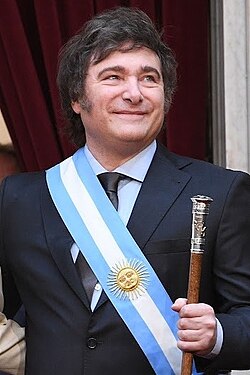
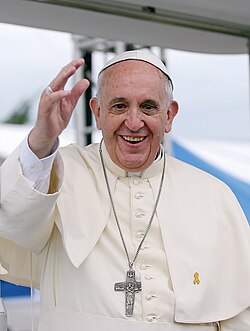
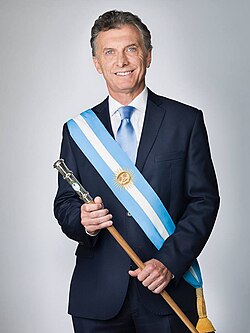
Many Argentine presidents and leaders have Italian roots, including Juan Domingo Perón, Mauricio Macri, and the current president, Javier Milei. Perhaps the most globally recognized figure of Italian-Argentine descent is Pope Francis, born Jorge Mario Bergoglio to immigrants from Piedmont.
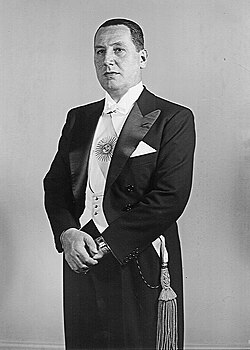
Juan Domingo Perón
Juan Domingo Perón
Mauricio Macri
Mauricio Macri
Javier Milei
Javier Milei
Pope Francis
Pope Francis

Arts and Science

In music and art, figures like the tango revolutionary Astor Piazzolla and the singer-songwriter Gustavo Cerati have left an indelible mark. In the realm of science and design, Horacio Pagani is world-renowned for his hypercars.
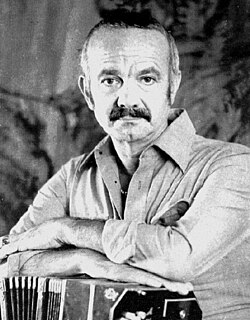

Astor Piazzolla
Astor Piazzolla
Gustavo Cerati
Gustavo Cerati
Horacio Pagani
Horacio Pagani

Sports

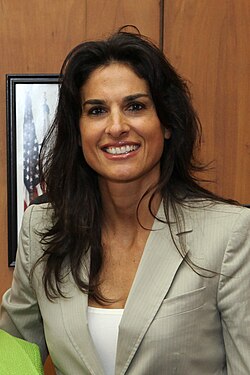
Argentina's sporting legends often share Italian ancestry. This includes football icons Diego Maradona and Lionel Messi, as well as basketball star Manu Ginóbili and tennis legend Gabriela Sabatini.
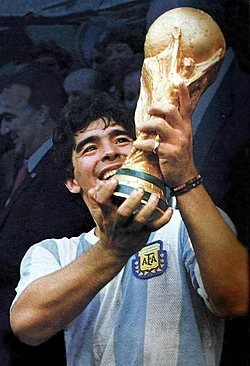

Diego Maradona
Diego Maradona
Lionel Andrés Messi
Lionel Andrés Messi
Gabriela Sabatini
Gabriela Sabatini
Manu Ginóbili
Manu Ginóbili

Frequently Asked Questions
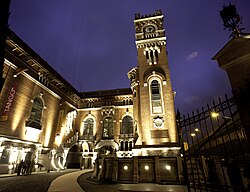
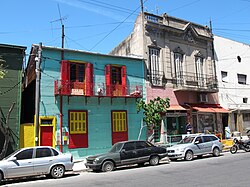
Buenos Aires district of La Boca, settlement of the Genoese
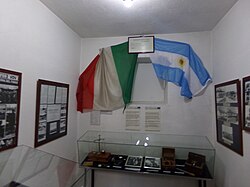
Space dedicated to the Italian Argentines of Tierra del Fuego in the Maritime Museum of Ushuaia
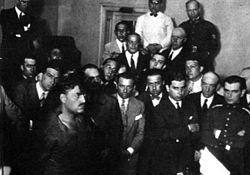
Severino Di Giovanni (on the left) in court
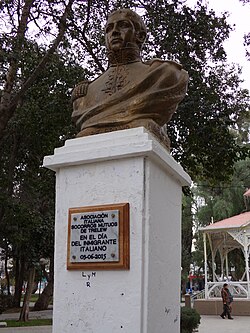
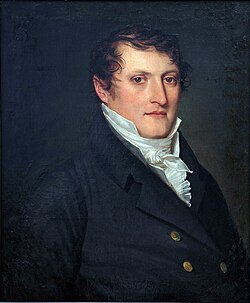
Monument to Manuel Belgrano in Trelew, Chubut Province, with a plaque commemorating the "Italian Immigrant Day". Manuel Belgrano was the politician and military leader who created the Flag of Argentina. His father was Italian.
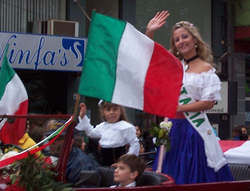
Italian festival in Oberá
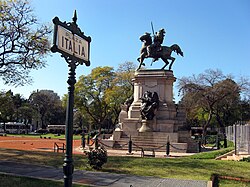
Monument to Giuseppe Garibaldi, located on Plaza Italia, a landmark in the Palermo neighbourhood of Buenos Aires
Italian Society in Adrogué
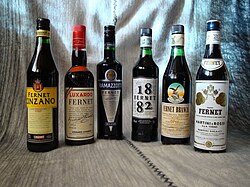
Different brands of Fernet
The Arts Powerhouse (Usina del Arte), inaugurated on 23 May 2012, in a former Italian-Argentine Electric Company (CIAE) facility originally built in 1916 in La Boca, Buenos Aires
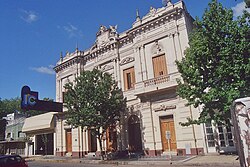
Italian Association of Junín, province of Buenos Aires
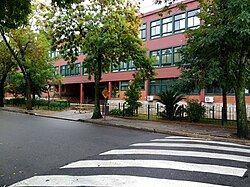
Scuola Italiana Cristoforo Colombo in Buenos Aires
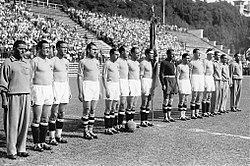
The Italy national football team lined up in midfield before the 1934 FIFA World Cup final, then won. The team fielded two Italian Argentines, Luis Monti and Raimundo Orsi.
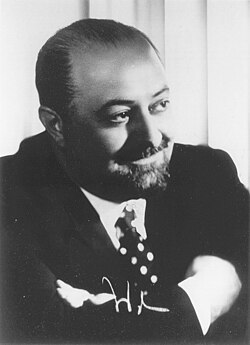
Homero Manzi
Homero Manzi
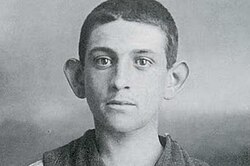
Cayetano Santos Godino
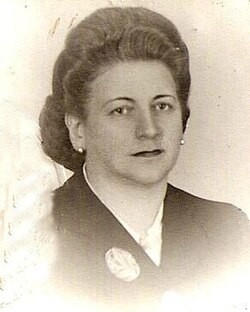
Victoria Torni
Victoria Torni
Lucas Demare
Lucas Demare
Tita Merello
Tita Merello
Valeria Mazza
Valeria Mazza
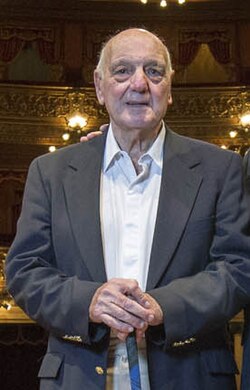
Domingo Liotta
Domingo Liotta
Manuel Belgrano
Manuel Belgrano
Lucio Fontana
Lucio Fontana
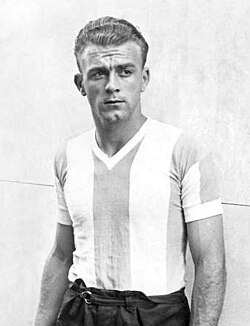
Alfredo Di Stéfano
Alfredo Di Stéfano
Mario Kempes
Mario Kempes
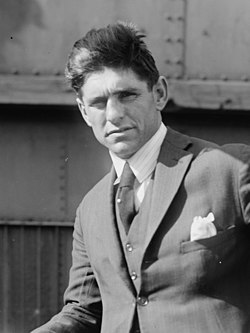
Luis Ángel Firpo
Luis Ángel Firpo
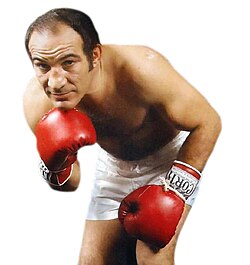
Nicolino Locche
Nicolino Locche
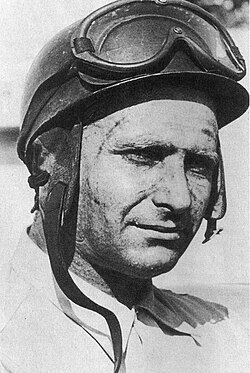
Juan Manuel Fangio
Juan Manuel Fangio
María Belén Succi
María Belén Succi
Federico Molinari
Federico Molinari
Adolfo Cambiaso
Adolfo Cambiaso
Roberto De Vicenzo
Roberto De Vicenzo
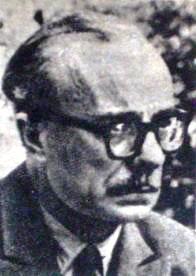
Ernesto Sabato
Ernesto Sabato

What percentage of Argentines have Italian ancestry?

It is estimated that between 25 and 30 million people in Argentina have Italian ancestry, which accounts for approximately 62.5% of the total population.

Which regions of Italy did most immigrants come from?

Early immigration (1880s) was dominated by people from Northwest Italy. However, from the late 1890s through the 1920s, the majority of immigrants arrived from Southern and insular Italy.

How did Italian immigration affect the Spanish language in Argentina?

Italian dialects heavily influenced the local vocabulary and accent, contributing to the development of terms like "laburar" (to work) and "pibe" (boy), which are common in Argentine Spanish.

Who are some of the most famous Italian-Argentines?

Notable figures include Pope Francis, football legends Lionel Messi and Diego Maradona, composer Astor Piazzolla, and several Argentine presidents such as Juan Domingo Perón.

Where can the Italian influence be seen in Buenos Aires?

The influence is visible in the architecture of neighborhoods like La Boca (settled by Genoese immigrants), the presence of the Scuola Italiana Cristoforo Colombo, and the widespread popularity of Italian-style pizzerias and pasta houses.

References

  1. "Datos sociodemográficos por país de nacimiento". RENAPER - Dirección Nacional de Población. Retrieved 15 November 2023.
  2. Departamento de Derecho y Ciencias Políticas de la Universidad Nacional de La Matanza (14 November 2011). "Historias de inmigrantes italianos en Argentina" (in Spanish). infouniversidades.siu.edu.ar. Archived from the original on 15 July 2015. Se estima que en la actualidad, el 90% de la población argentina tiene alguna ascendencia europea y que al menos 25 millones están relacionados con algún inmigrante de Italia.
  3. "Argentina – Language and religion | Britannica". Archived from the original on 6 March 2023. Retrieved 17 February 2023.
  4. "Appunti sul viaggio in Argentina" (in Italian). Archived from the original on 11 February 2023. Retrieved 11 February 2023.
  5. "A Brief History of Italian Immigration in Argentina". Archived from the original on 23 February 2024. Retrieved 23 February 2024. Retrieved 23 February 2024