Itaewon: Seoul's International Hub of Culture and Nightlife
Located in the heart of the Yongsan District in Seoul, South Korea, Itaewon is a vibrant commercial area renowned for its multi-ethnic population and energetic nightlife. Often referred to as the city's "international district," it serves as a melting pot where global cuisines, diverse languages, and a spirit of openness converge, making it one of the most popular destinations for both tourists and locals.
Key Facts
- Location: Itaewon-dong, Yongsan District, Seoul, South Korea.
- Identity: Known as Seoul's most multicultural neighborhood and a hub for the LGBTQ+ community.
- Key Landmarks: Seoul Central Mosque, All That Jazz, and Itaewon Books.
- Transportation: Accessible via Seoul Subway Line 6 (Itaewon, Noksapyeong, and Hangangjin stations).
- Cultural Significance: A center for international cuisine and the home of the "gay village" known as Homo Hill.
Etymology and Early History
The name "Itaewon" has multiple origins. Officially, it is derived from an inn that existed during the Joseon period, with the Hanja characters (梨泰院) alluding to an abundance of pear trees. However, a local folktale suggests a different meaning (異胎院), hinting at "foreign babies." This legend dates back to the Imjin War (1592–1593), when Japanese soldiers seized a Buddhist temple and abused the nuns living there. The children born to these women were raised in the area, leading locals to name the neighborhood using a portmanteau meaning "different," "foreign," and "fetus." During the same war, the area also provided shelter for surrendered and wounded Japanese soldiers.
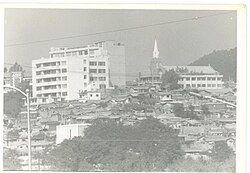
Historically, Itaewon served as a transportation hub during the Goryeo period (918–1392), where travelers could secure horses. Its importance grew during the Joseon period (1392–1910) after the capital moved to Hanyang (modern-day Seoul). By the 1880s, it became a primary entry point for foreigners, hosting various embassies and inns. Interestingly, the area also served as the site of the city's largest cemetery until 1937.
The Influence of the Yongsan Garrison
The modern identity of Itaewon is inextricably linked to the Yongsan Garrison, a U.S. military base established in 1945. The presence of American soldiers led to the rapid growth of bars and "comfort facilities" (brothels) starting in 1957. This era was marked by significant social strife; many women and minors were forced into prostitution in camp villages under U.S. jurisdiction.
Due to the status of forces agreement, crimes committed by U.S. military personnel were handled by U.S. military courts rather than South Korean law. A National Assembly report later detailed 39,542 crimes committed by U.S. personnel between 1967 and 1987, including arson, theft, rape, and murder, many of which went unpunished.
Modern Transformation and Attractions
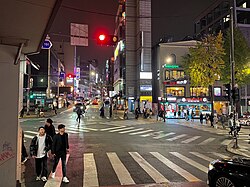
Following the Korean War, Itaewon evolved into a shopping district and gradually underwent gentrification. A major shift occurred in 2013 when the U.S. military moved its base and 17,000 soldiers to southern Seoul. This transition allowed the neighborhood to further embrace its identity as a sanctuary for diversity, becoming a center for the LGBT movement in South Korea.
Cultural and Tourist Highlights
Today, Itaewon is a premier destination for those seeking global experiences within Seoul. It is famous for offering a wide array of international cuisines that are rare elsewhere in the country. Notable landmarks include:
- All That Jazz: The oldest active jazz club in South Korea.
- Itaewon Books: The city's oldest secondhand English-language bookstore.
- Homo Hill: The heart of Seoul's gay village, where the LGBTQ+ community can express themselves more openly than in other parts of the country.
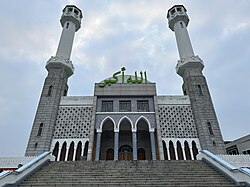
- Seoul Central Mosque: Opened in 1976, this landmark is closely associated with Itaewon, though it is legally located in Hannam-dong.
Itaewon in Popular Culture
The neighborhood's "open atmosphere" has inspired various artistic works. In 2011, the duo UV (JYP and Yoo Se-yoon) released "Itaewon Freedom," a song celebrating the area's contrast with conservative Korean culture. Additionally, the 2020 Netflix series Itaewon Class brought global attention to the district. Fans often visit the real-life inspiration for the show's DanBam pub, now known as SeoulBam, to enjoy dishes like spicy stir-fried pork and soft tofu stew.
Recent Challenges and Incidents
Despite its vibrancy, Itaewon has faced significant tragedies in recent years. During the COVID-19 pandemic, the area became the center of a major disease cluster with over 130 confirmed cases, which led to increased and sometimes unwanted scrutiny of the local LGBTQ+ community.
On October 29, 2022, a devastating crowd crush occurred during Halloween celebrations. The event resulted in over 150 deaths, including 26 foreign nationals, and more than 100 injuries. Experts suggest the tragedy was exacerbated by the lifting of pandemic restrictions and a massive influx of visitors that overwhelmed the neighborhood's narrow streets.
Summary of Itaewon
| Category | Details |
|---|---|
| Administrative Location | Itaewon-dong, Yongsan District, Seoul |
| Primary Character | Multicultural, International, Nightlife Hub |
| Key Transport | Seoul Subway Line 6 |
| Notable Sites | Seoul Central Mosque, Homo Hill, All That Jazz |
| Historical Influence | Yongsan Garrison (U.S. Military) |
Frequently Asked Questions
What is Itaewon known for?
Itaewon is known as Seoul's international district, famous for its diverse multi-ethnic population, global cuisine, vibrant nightlife, and as a welcoming hub for the LGBTQ+ community.
How do I get to Itaewon using public transport?
The area is easily accessible via Seoul Subway Line 6, with the most convenient stops being Itaewon, Noksapyeong, and Hangangjin stations.
What is the significance of the Seoul Central Mosque?
Opened in 1976, the Seoul Central Mosque is a key landmark of the area's multicultural identity, although it is technically located in the neighboring Hannam-dong.
What is "Homo Hill"?
Homo Hill is the name given to Seoul's gay village located within Itaewon, serving as a space where people can express their sexual orientation more openly despite social taboos in South Korea.
Is the pub from "Itaewon Class" real?
Yes, the original DanBam pub from the series exists in real life and is currently called SeoulBam, where visitors can eat dishes featured in the show.