Exploring South Korea: The Land of the Morning Calm
Known affectionately as the "Land of the Morning Calm," South Korea (officially the Republic of Korea) is a vibrant, densely populated sovereign republic located on the southern half of the Korean Peninsula in East Asia. From its ancient roots dating back 5,000 years to its status as a global leader in high-tech innovation, South Korea offers a unique blend of deep-seated tradition and cutting-edge modernity.
Bordered by China to the west, Japan to the east, and North Korea to the north, the nation is anchored by its capital, Seoul. As the world's second-largest metropolitan city, Seoul serves as the beating heart of the country's political, economic, and cultural life.
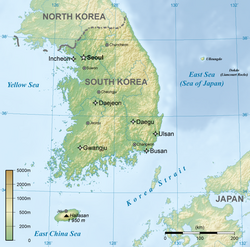
Key Facts
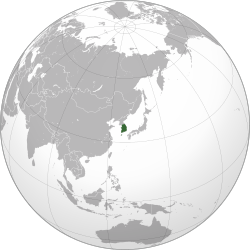
- Official Name: Republic of Korea (Daehanminguk)
- Capital City: Seoul
- Population: Approximately 50 million
- Economic Status: Developed economy; 4th largest in Asia
- Government Type: Presidential representative democratic republic
- Major Industries: Electronics, semiconductors, automotive, and robotics
A Journey Through History
The history of the Korean people is a long and complex saga. The foundation of Korean civilization is traced back to 2333 BC with the legendary figure Dangun. Over the millennia, the peninsula saw the rise of various states, including the Three Kingdoms period, which eventually led to unification under the Silla dynasty in AD 668.
Following unification, Korea progressed through the Goryeo and Joseon dynasties as a single nation. However, the 20th century brought significant upheaval, including annexation by Japan in 1910. Following Japan's defeat in World War II, the peninsula was divided, leading to the establishment of South Korea in 1948. Since then, the nation has successfully transitioned into a thriving democracy and a key global ally.
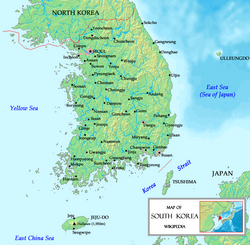
Geography and Environment
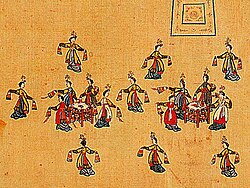
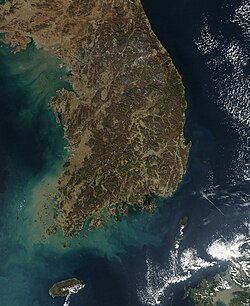
South Korea is characterized by diverse landscapes, ranging from coastal regions to mountainous interiors. The highest point in the country is Halla-san, standing at 1,950 meters. The nation's coastline stretches over 2,400 km, bordering the Yellow Sea and the Sea of Japan.
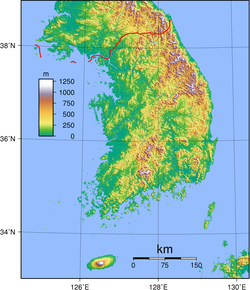
The country's environment is managed through various national parks and a focus on diverse wildlife. While the nation utilizes various energy sources, including nuclear, solar, and wind power, it continues to navigate the complexities of energy policy and environmental management.
Economic Powerhouse and Technological Innovation
South Korea boasts one of the world's most dynamic economies. After experiencing rapid growth between the 1960s and 1980s, it has matured into a highly developed economy and is a prominent member of both the G20 and the OECD.
The nation's economic strength is driven by a heavy focus on science and technology. Much of this industrial prowess is led by Chaebol—large, family-owned conglomerates that dominate sectors such as:
- Electronics and semiconductors
- LCD technology and mobile phones
- Automotive manufacturing
- Robotics and biotechnology
- Engineering and petrochemicals
Culture, Tradition, and Modernity
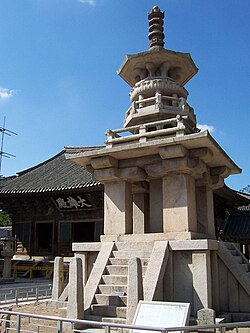
The "Korean Wave" has brought South Korean culture to the global stage, but the nation's identity is deeply rooted in centuries of tradition. This is evident in its architecture, such as Hanok (traditional houses) and ancient pagodas.
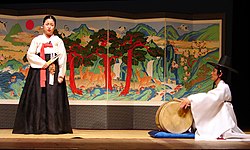
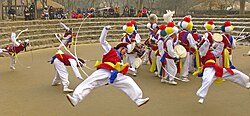
Traditional arts continue to thrive alongside modern pop culture. From the rhythmic sounds of Pansori (traditional musical storytelling) and Nongak (farmers' music) to the global phenomenon of K-pop, the country's artistic spectrum is vast.
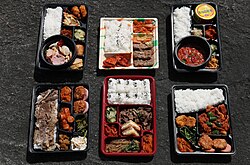
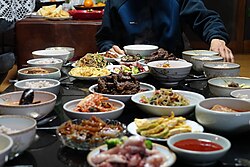
Cuisine is another cornerstone of Korean identity. The dining experience often revolves around Hanjeongsik (a full-course traditional meal) and various side dishes known as Banchan. Iconic staples like Kimchi and Bibimbap, along with traditional drinks like Makgeolli, represent the flavors of the peninsula.

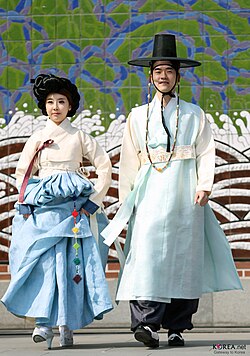
Traditional clothing, known as Hanbok, remains a symbol of elegance and cultural pride, often worn during festivals and special ceremonies.
In the realm of physical discipline, Taekwondo stands as a world-renowned martial art that originated in Korea, embodying the nation's spirit of discipline and strength.

Summary of South Korea at a Glance
| Category | Details |
|---|---|
| Official Language | Korean (Hanguk) |
| Currency | South Korean Won (KRW) |
| Time Zone | Korea Standard Time (UTC+09) |
| Land Area | 100,472.4 km² |
| Major Cities | Seoul, Busan, Incheon, Daegu |
Frequently Asked Questions
What is the official name of South Korea?
The official English name is the Republic of Korea, known endonymically as Daehanminguk.
What drives the South Korean economy?
The economy is driven by advanced technology, manufacturing, and science. Key sectors include semiconductors, electronics, automobiles, and robotics, often led by large conglomerates called Chaebol.
What are some famous aspects of Korean culture?
Famous cultural elements include the Hanbok (traditional clothing), Taekwondo (martial arts), Pansori (traditional music), and a world-renowned cuisine featuring staples like Kimchi and Bibimbap.
How is South Korea governed?
South Korea is a presidential representative democratic republic, with a President serving as both the head of state and the head of government.
What is the significance of Seoul?
Seoul is the capital and largest city of South Korea. It is a massive metropolitan hub and serves as the country's primary center for politics, economy, and culture.