International Space Station: A Marvel of Global Cooperation and Science
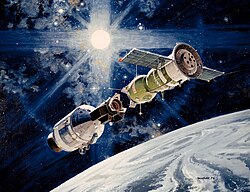
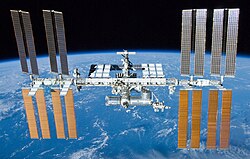
The International Space Station (ISS) represents the pinnacle of human engineering and international diplomacy. Orbiting high above the Earth, this massive modular laboratory serves as a permanent human outpost in space, allowing scientists and astronauts to conduct research that would be impossible under the influence of Earth's gravity.
Since its first module launched on November 20, 1998, the ISS has evolved from a few connected cylinders into a sprawling complex that spans the length of a football field. It is a joint venture between several space agencies, including NASA (United States), Roscosmos (Russia), ESA (Europe), and JAXA (Japan).
Key Facts
- Mass: Approximately 450,000 kg (990,000 lb).
- Dimensions: 109 meters in length and 73 meters in width (solar arrays).
- Orbital Speed: 7.67 km/s (approximately 27,600 km/h).
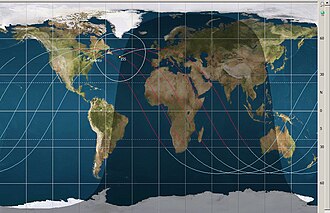
- Orbital Period: Completes one orbit of Earth every 92.9 minutes.
- Altitude: Maintains a perigee of 413 km and an apogee of 422 km.
- Atmosphere: 1 atm of pressure, consisting of 79% nitrogen and 21% oxygen.
The Architecture of the Station
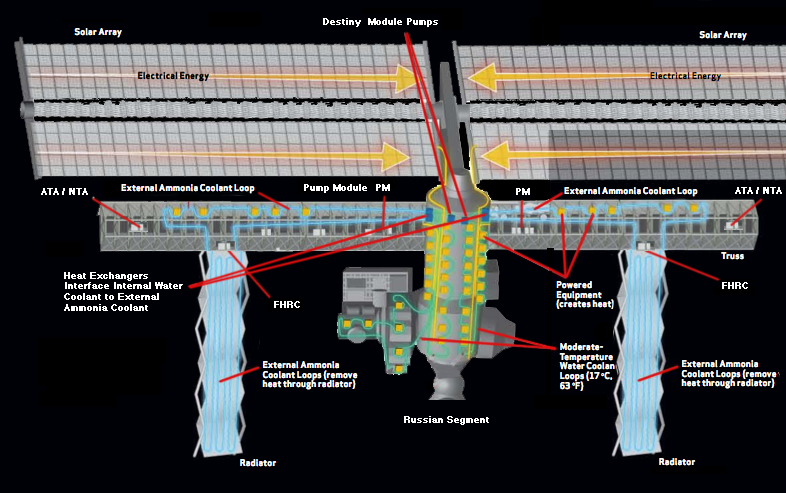
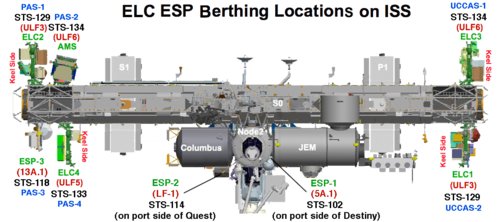
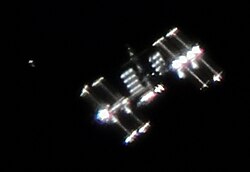
The ISS is composed of various pressurized modules—areas where the crew can live and work without spacesuits—and unpressurized elements like the Integrated Truss Structure, which supports the solar arrays and radiators.
Foundational Modules
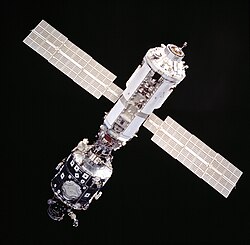
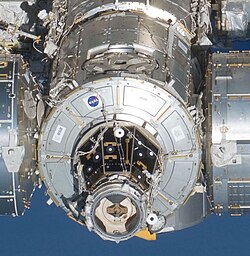
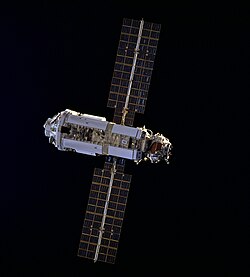
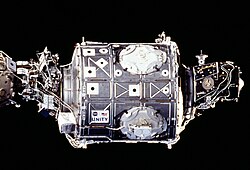
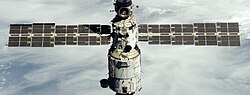
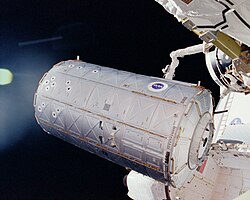
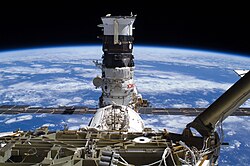
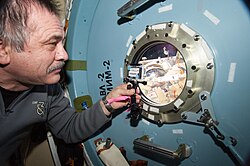
The station began with Zarya, the first module, followed quickly by Unity. These provided the initial structural backbone and power. Later, the Zvezda service module added essential living quarters and life support systems.
Specialized Laboratories and Facilities
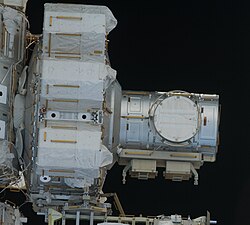
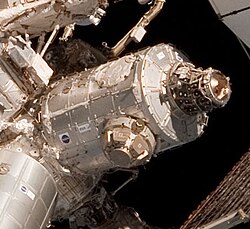
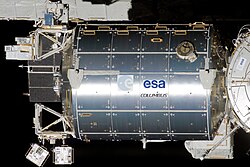
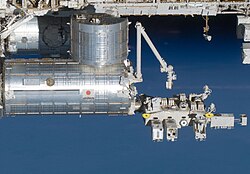
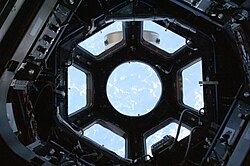
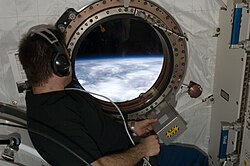
To facilitate diverse scientific goals, the station includes several dedicated labs. The Destiny module serves as the primary US laboratory, while Columbus (ESA) and Kibō (JAXA) provide additional research capabilities. The Cupola offers a panoramic view of Earth, serving as both a psychological refuge for the crew and a vital observation post.
Expansion and Modernization
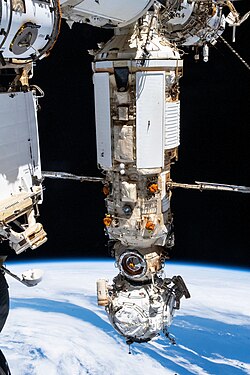
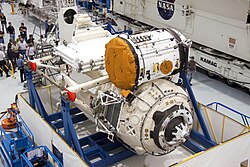
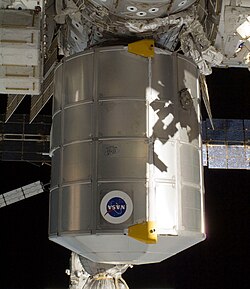
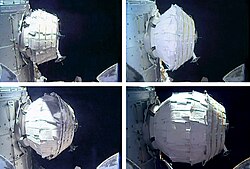
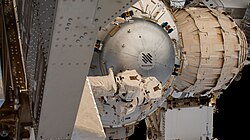
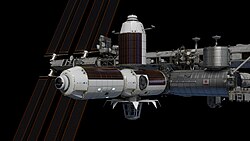
The station continues to evolve with additions like the Nauka multipurpose laboratory and the Prichal docking module. Innovative additions such as the Bigelow Expandable Activity Module (BEAM) have tested inflatable habitat technology to increase usable volume.
Science in Microgravity
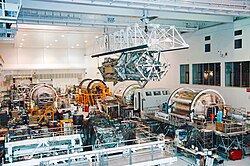
The primary purpose of the ISS is to serve as a microgravity environment. Microgravity is the condition in which people or objects appear to be weightless, allowing researchers to study physical and biological processes without the interference of gravity.
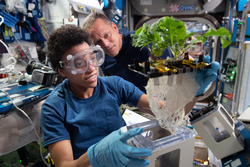
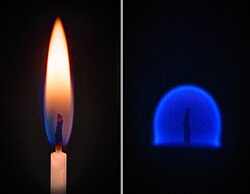
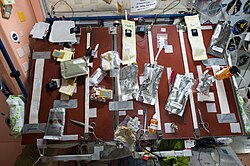
Research ranges from botany—such as the XROOTS experiment testing soilless hydroponic and aeroponic growth—to fundamental physics. For example, combustion behaves differently in space; a candle flame on the ISS is spherical and behaves differently than the teardrop shape seen on Earth.
Life Aboard the Station
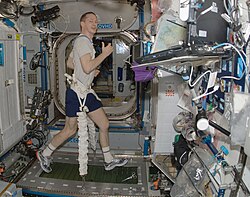
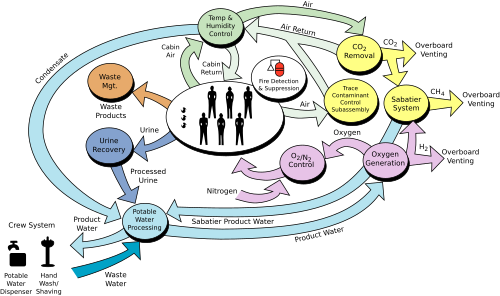
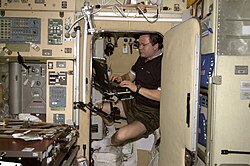
Living in space requires complex Environmental Control and Life-Support Systems (ECLSS) to recycle air and water. Crew members must follow strict health regimens to combat the effects of weightlessness, including using specialized equipment like the TVIS treadmill with bungee cords to maintain muscle and bone density.
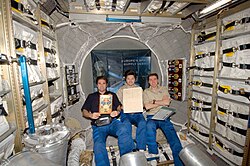
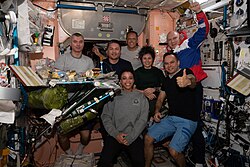
Daily life involves a mix of rigorous scientific work, station maintenance, and shared meals. The crew typically resides in the Unity and Zvezda modules, where they eat and sleep in a confined but highly efficient environment.
Station Operations and Maintenance
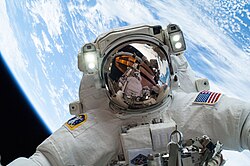
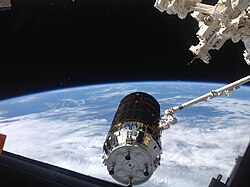
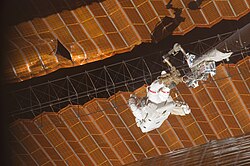
Maintaining a structure in the harsh environment of space requires constant vigilance. The station uses robotic arms, such as Canadarm2 and Dextre, to move payloads and assist astronauts during Extravehicular Activities (EVAs), commonly known as spacewalks.
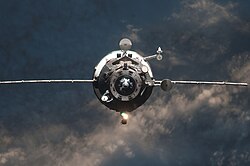
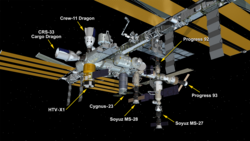
Resupply is handled by various uncrewed spacecraft, including the Russian Progress vehicles and Japan's Kounotori, which deliver food, water, and scientific equipment.
ISS Summary Specifications
| Feature | Specification |
|---|---|
| Launch Date | November 20, 1998 |
| Pressurized Volume | 1,005.0 m³ |
| Orbits per Day | 15.5 |
| Orbital Inclination | 51.64° |
| Average Speed | 27,600 km/h |
Frequently Asked Questions
How fast does the ISS travel?
The ISS travels at an orbital speed of approximately 7.67 km/s, which is roughly 27,600 kilometers per hour (17,100 mph).
Who manages the International Space Station?
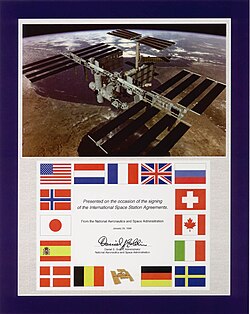
The station is a collaborative effort managed by NASA (USA), Roscosmos (Russia), ESA (Europe), and JAXA (Japan), governed by the Space Station Intergovernmental Agreement signed in 1998.
What is the purpose of the Cupola?
The Cupola is a specialized module with large windows that allows the crew to observe Earth, monitor the docking of spacecraft, and conduct robotic operations.
How do astronauts stay healthy in microgravity?
Astronauts use specialized exercise equipment, such as the TVIS treadmill and weight-lifting devices, to prevent the loss of bone density and muscle mass caused by the lack of gravity.
What happens to the ISS at the end of its mission?
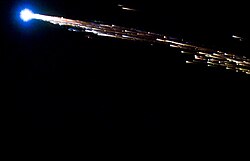
Plans include the use of a US Deorbit Vehicle to safely guide the station back into the atmosphere for a controlled re-entry.