International Committee of the Red Cross: A Legacy of Humanitarian Action
The International Committee of the Red Cross (ICRC) is one of the world's most recognized humanitarian organizations. Founded on the principles of neutrality and impartiality, the ICRC is dedicated to protecting the victims of armed conflict and providing them with essential assistance. As the oldest component of the International Red Cross and Red Crescent Movement, it works alongside the International Federation of Red Cross and Red Crescent Societies (IFRC) and 191 National Societies to alleviate human suffering globally.
Headquartered in Geneva, Switzerland, the organization operates on a global scale, guided by International Humanitarian Law (IHL)—a set of rules that seek to limit the effects of armed conflict for humanitarian reasons.
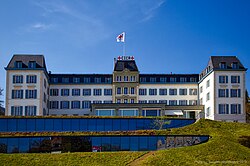
Key Facts
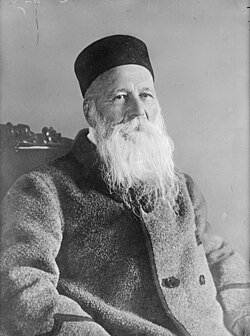
- Founded: February 17, 1863, by Henry Dunant.
- Mission: To protect and assist victims of armed conflict and monitor compliance with the Geneva Conventions.
- Recognition: Recipient of the Nobel Peace Prize in 1917, 1944, and 1963.
- Legal Basis: Primarily the four Geneva Conventions of 1949 and their Additional Protocols.
- Budget: Projected at CHF 1.8 billion for 2026, with CHF 1.6 billion dedicated to field operations.
- Leadership: Currently presided over by Mirjana Spoljaric Egger.
The Origins of the ICRC
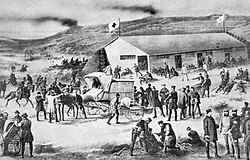
The ICRC was born from the vision of Henry Dunant, who was horrified by the suffering of wounded soldiers after the Battle of Solferino. His experiences led to the publication of A Memory of Solferino and the proposal for several revolutionary concepts: the creation of national relief societies, the guarantee of neutrality for wounded soldiers, and the use of volunteer forces on the battlefield.
These ideas culminated in the first Geneva Convention in 1864, establishing a legal framework to ensure that medical personnel and wounded soldiers were protected and treated without discrimination.

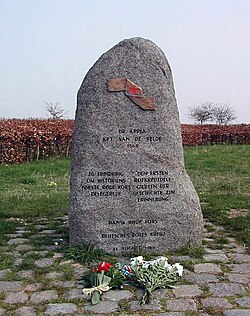
The adoption of the Red Cross symbol provided a visible sign of protection for those providing care in the midst of war.
Evolution Through Global Conflicts
World War I and the First Nobel Prize
During the First World War, the ICRC expanded its operations significantly. In recognition of its outstanding wartime efforts, the organization was awarded the Nobel Peace Prize in 1917—the only Peace Prize granted between 1914 and 1918.

World War II and the Holocaust
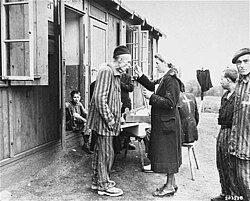
The ICRC faced immense challenges during World War II, providing aid to prisoners of war (POWs) and civilians. It received its second Nobel Peace Prize in 1944. Following the war, the organization published a comprehensive report reviewing its activities from 1939 to 1947.
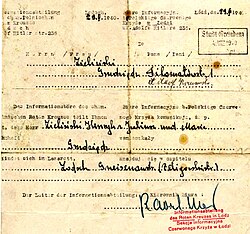
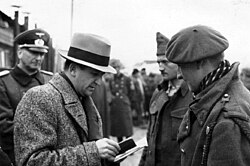
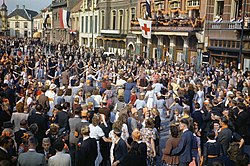
The organization has since acknowledged its failures during the Holocaust. In 2005, on the 60th anniversary of the liberation of Auschwitz, the ICRC issued an official statement reflecting on these lessons, leading to a redesign of its relationship with Switzerland to ensure greater independence.
The Late 20th Century and Modernization
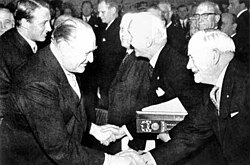
In 1963, the ICRC and the League of Red Cross Societies jointly received a third Nobel Peace Prize. The organization also evolved its staffing policies; since 1993, non-Swiss citizens have been eligible to serve as Committee delegates abroad, with international staff now making up approximately 35% of the workforce.
Core Missions and Operations
The ICRC operates as a neutral intermediary between warring parties. Its primary responsibilities include:
- Monitoring Compliance: Ensuring that warring parties adhere to the Geneva Conventions.
- Medical Care: Organizing nursing and care for the wounded on the battlefield.
- Prisoner Welfare: Supervising the treatment of prisoners of war and conducting confidential interventions with detaining authorities.
- Tracing Services: Helping families search for missing persons lost in armed conflicts.
- Civilian Protection: Organizing care and protection for civilian populations.
Legal and Financial Framework
The ICRC's operations are grounded in International Humanitarian Law, specifically the four Geneva Conventions of 1949, the Additional Protocols of 1977 and 2005, and the Statutes of the International Red Cross and Red Crescent Movement.
Funding is entirely voluntary, consisting of donations from states (including Switzerland), national Red Cross societies, and international organizations like the European Union. For example, in 2024, the operation in Ukraine was the organization's largest, costing 196 million Swiss francs.
Organizational Overview
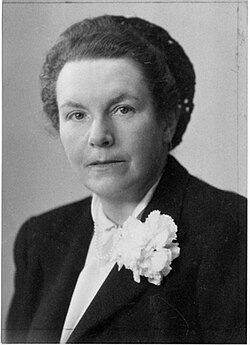
The ICRC is governed by an Assembly and an Assembly Council, led by a President. Over the decades, the presidency has transitioned from founders like Henri Dufour and Gustave Moynier to current leader Mirjana Spoljaric Egger.

| Category | Details |
|---|---|
| Founder | Henry Dunant |
| Headquarters | Geneva, Switzerland |
| Staff Size | 17,337 (2025) |
| Primary Legal Basis | Geneva Conventions (1949) |
| Funding Source | Voluntary donations from states and organizations |
Frequently Asked Questions
What is the main purpose of the ICRC?
The main purpose of the ICRC is to protect the victims of armed conflicts and provide them with humanitarian assistance, while ensuring that warring parties comply with international humanitarian law.
How is the ICRC funded?
The ICRC relies on voluntary donations. These come from signatory states of the Geneva Conventions, national Red Cross societies, and international bodies such as the European Union.
What are the Geneva Conventions?
The Geneva Conventions are a series of international treaties that form the core of international humanitarian law, establishing rules for the humane treatment of wounded soldiers, prisoners of war, and civilians during wartime.
How does the ICRC maintain neutrality?
The ICRC acts as a neutral intermediary, meaning it does not take sides in hostilities. This neutrality allows the organization to gain access to conflict zones and prisoners of war that other organizations might not be able to reach.
Who is the current president of the ICRC?
The current president of the International Committee of the Red Cross is Mirjana Spoljaric Egger, who assumed the role in October 2022.