Intangible Cultural Heritage: Preserving the Living Traditions of Humanity
When we think of cultural heritage, we often imagine towering monuments, ancient ruins, or priceless artifacts housed in museums. However, there is another form of wealth that is just as vital but far more elusive: Intangible Cultural Heritage (ICH). Unlike tangible heritage, which consists of physical sites and objects, intangible heritage lives within the people. It is the sum of the customs, beliefs, traditions, folklore, languages, and knowledge that define a community's identity.
This living heritage is expressed through the mastery of craftsmanship and the energy of performance, passing from one generation to the next to maintain a sense of continuity and belonging in an ever-changing world.
![The Viennese coffee house culture, a special form of cultural heritage[5]](/images/8b/cc/8bcc62a6f43218a3dae8ac6c9f09e582e04ce87df9aa101a301800803e1266a5.jpg)
The Global Effort to Safeguard Diversity
For many years, the global perception of world heritage was heavily skewed toward Western Europe, where historic architecture and monuments are abundant. To better valorize cultural diversity and recognize the intellectual wealth of non-Western societies, a global shift in perspective was necessary.
This movement began with early national initiatives in Japan (1950) and South Korea (1962). Building on these foundations, UNESCO conducted a comprehensive survey of states and NGOs in 2001 to establish a universal definition of intangible heritage. This culminated in the 2003 Convention for the Safeguarding of the Intangible Cultural Heritage, a landmark agreement designed to protect and promote these fragile living traditions.
![Noh mask. Japan was the first country to introduce legislation to protect and promote its intangible heritage.[11]](/images/94/a3/94a38429cc74921b65d60ee598227600f24afebf1cf19937169c5954b8a4792f.jpg)
Defining Intangible Cultural Heritage
Intangible cultural heritage is not a single category but a broad spectrum of human expression. UNESCO categorizes these manifestations into five primary domains:
- Oral traditions and expressions: This includes the use of language as a primary vehicle for transmitting heritage.
- Performing arts: Music, dance, and theater that embody the spirit of a culture.
- Social practices, rituals, and festive events: The shared celebrations and ceremonies that bind communities together.
- Knowledge and practices concerning nature and the universe: Traditional ecological knowledge and astronomical beliefs.
- Traditional craftsmanship: The skills and techniques used to create cultural artifacts.
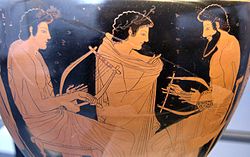
Diverse Manifestations of Living Heritage
Food and Culinary Traditions
Culinary heritage is a powerful expression of identity. Examples of recognized traditional dishes include Thieboudienne and Tom yum kung, which represent the unique flavors and histories of their respective regions.
Arts, Dance, and Sport
From the rhythmic movements of dance heritage to the strategic play of traditional sports, ICH encompasses physical expression. For instance, Kabaddi, a traditional Indian game, has grown in popularity worldwide, showcasing how local traditions can achieve global reach.
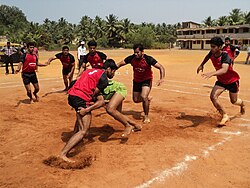
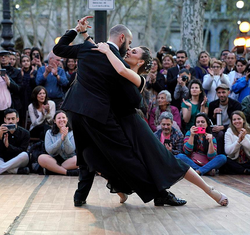
Some heritage is shared across borders, reflecting a common history. The Tango is a prime example, serving as a cultural bridge between Argentina and Uruguay.
Digital and Oral Continuity
In the modern era, the concept of digital heritage has emerged to help document and preserve traditions. Meanwhile, oral continuity remains vital, as seen in the polyphonic singing of the Albanian group from Skrapar, who maintain their identity through traditional dress, such as the qeleshe and fustanella.
![Mapping of intangible heritage phenomena (GIS technology)[18]](/images/bc/82/bc82bcea9d43b17e929d5cec58afba9522ef3c0780ded7fa00ae0ad951446979.jpg)
Global Distribution of ICH Elements
Many countries have actively worked to inscribe their traditions on UNESCO's lists. China currently leads the world in the number of inscribed elements, followed by Turkey and France.
| Rank | Country | Number of ICH Elements |
|---|---|---|
| 1 | China | 45 |
| 2 | Turkey | 32 |
| 3 | France | 30 |
| 4 | Iran | 27 |
| 5 | Spain | 26 |
| 6 | Azerbaijan | 24 |
| 7 | Croatia, Japan, South Korea | 23 |
Key Facts
- Definition: ICH includes customs, beliefs, traditions, folklore, language, and knowledge.
- UNESCO Convention: The formal framework for protection was drafted in 2003.
- Pioneers: Japan (1950) and South Korea (1962) were early adopters of intangible heritage protection.
- Scope: It covers five main areas: oral traditions, performing arts, social practices, nature-based knowledge, and craftsmanship.
- Global Reach: China holds the highest number of inscribed ICH elements (45).
Frequently Asked Questions
What is the difference between tangible and intangible cultural heritage?
Tangible heritage refers to physical objects and sites, such as monuments and artifacts. Intangible heritage refers to non-physical manifestations, such as oral traditions, performing arts, and social rituals.
Why did UNESCO create the Convention for the Safeguarding of the Intangible Cultural Heritage?
The convention was created to address the over-representation of Western Europe in World Heritage Sites and to help valorize and protect the diverse cultural expressions of all nations.
Can two countries share the same intangible heritage?
Yes. An example of this is the Tango, which is recognized as a shared cultural heritage between Argentina and Uruguay.
What are some examples of traditional craftsmanship in ICH?
Traditional craftsmanship involves the skills and knowledge required to produce cultural goods, ensuring that ancient techniques are not lost to industrialization.
Which countries have the most UNESCO-recognized intangible elements?
China has the most with 45 elements, followed by Turkey with 32 and France with 30.