Intangible Cultural Heritage of Humanity: Preserving Global Living Traditions
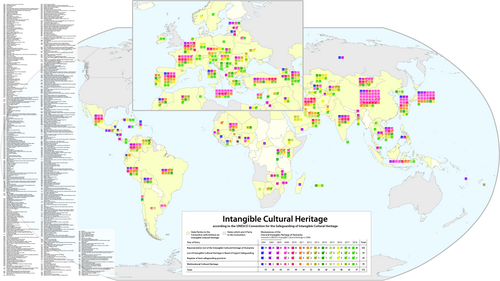
Culture is more than just monuments and museums; it lives in the skills, stories, and rituals passed down through generations. The Representative List of the Intangible Cultural Heritage of Humanity serves as a global inventory of these living expressions, ensuring that the diverse wisdom of human societies is recognized and protected from disappearance.
Unlike tangible heritage, such as buildings or artifacts, intangible heritage consists of practices, representations, expressions, knowledge, and skills. These range from the intricate art of weaving and calligraphy to the social bonds formed during traditional festivals and the specialized knowledge of ancestral medicine.
Key Facts
- Global Scope: Heritage is recognized across all major regions, including Africa (AFR), Asia-Pacific (APA), Arab States (AST), Europe and North America (ENA), and Latin America and the Caribbean (LAC).
- Diverse Categories: Includes oral traditions, performing arts, social practices, festive events, and traditional craftsmanship.
- Urgent Safeguarding: A dedicated list exists for traditions facing immediate risk of extinction, requiring priority intervention.
- Multinational Recognition: Many traditions, such as Falconry and Midwifery, are shared across multiple continents and cultures.
Categories of Living Heritage
Traditional Craftsmanship and Artistry
The list highlights the mastery of materials and the precision of ancestral techniques. Examples include the Traditional art of Azerbaijani carpet weaving, the Traditional art of Jamdani weaving in Bangladesh, and the Traditional violin craftsmanship in Cremona, Italy. From the Washi handmade paper of Japan to the Kente cloth of Ghana, these crafts represent the intersection of utility and artistic identity.
Culinary Traditions and Social Practices
Food is a primary vehicle for cultural expression. The list recognizes the Culture of Çay (tea) in Turkey, the Artisanal know-how and culture of baguette bread in France, and the Traditional Mexican cuisine. These entries emphasize not just the recipes, but the social rituals—such as the Breakfast culture in Malaysia—that foster community and hospitality.
Performing Arts and Oral Traditions
Music, dance, and storytelling preserve history and emotion. Notable examples include the Mongolian Urtiin Duu (Long Song), the Polonaise traditional dance of Poland, and the Ramlila performances of the Ramayana. These arts often accompany spiritual or seasonal events, such as the Spring festival in China or the Atā Thingyan festival in Myanmar.
Knowledge of Nature and the Universe
Humanity's relationship with the environment is captured through traditional knowledge. This includes Traditional irrigation techniques, the Date palm practices of the Arab states, and the Sake-making processes in Japan using koji mold. Even wellness practices, such as Nuad Thai (traditional Thai massage) and Acupuncture, are recognized as vital intellectual heritage.
Heritage in Need of Urgent Safeguarding
While many traditions thrive, others are under threat due to globalization, conflict, or lack of practitioners. The List of Intangible Cultural Heritage in Need of Urgent Safeguarding targets these vulnerable practices. Examples include the Chovqan horse-riding game of Karabakh and the Al Sadu weaving skills in Kuwait. Safeguarding efforts often involve community-led projects, such as the Táncház method in Hungary, to ensure these skills are transmitted to younger generations.
Summary of Global Heritage Distribution
| Region | Example Tradition | Type of Heritage |
|---|---|---|
| Asia-Pacific (APA) | Traditional Korean wrestling (Ssirum) | Performing Arts/Sport |
| Europe & North America (ENA) | Sauna culture in Finland | Social Practice |
| Africa (AFR) | Traditional skills of loincloth weaving | Craftsmanship |
| Arab States (AST) | Arabic calligraphy | Art/Knowledge |
| Latin America & Caribbean (LAC) | Traditional Mexican cuisine | Culinary Art |
Frequently Asked Questions
What is intangible cultural heritage?
It refers to the non-physical aspects of a culture, including oral traditions, performing arts, social practices, rituals, festive events, and the knowledge and skills used to produce traditional crafts.
How does the urgent safeguarding list differ from the representative list?
The Representative List celebrates and promotes diversity, while the Urgent Safeguarding List identifies traditions that are at risk of disappearing and requires immediate action to ensure their survival.
Can a tradition be recognized by more than one country?
Yes. Many traditions are multinational. For example, Falconry and Midwifery are recognized as shared heritage across multiple regions including Africa, Asia-Pacific, and Europe.
Why is the preservation of these traditions important?
Preserving intangible heritage maintains cultural identity, fosters mutual respect between different societies, and protects ancient knowledge that can offer sustainable solutions for the future.
What are some examples of traditional craftsmanship on the list?
Examples include the art of Azerbaijani carpet weaving, the craftsmanship of traditional Japanese Washi paper, and the production of silk for weaving (sericulture).