Infusoria: Microorganisms for Aquarium Fish Breeding
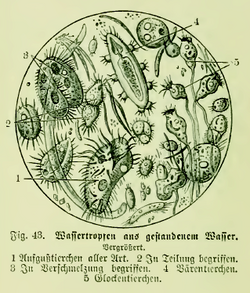
In the world of aquatic biology and fish keeping, the term infusoria refers to a diverse group of freshwater microorganisms. While the term is used colloquially today, it encompasses a wide array of life forms, including ciliates, copepods, euglenoids, planktonic crustaceans, protozoa, unicellular algae, and various small invertebrates. These tiny organisms are often found in decomposing organic matter and play a vital role in the aquatic food chain.
From a scientific perspective, the term is now considered obsolete in formal classifications. Modern taxonomy assigns these organisms to specific clades: Diaphoretickes (which includes most algae and ciliates), Amorphea (including crustaceans and other small animals), and Discoba (such as euglenids). Historically, some authors, such as Bütschli, used the term specifically as a synonym for Ciliophora.
Key Facts
- Composition: Includes protozoa, ciliates, algae, and small invertebrates.
- Primary Use: Essential supplemental food for newly-hatched fish fry.
- Availability: Sold live or as frozen cubes (e.g., by brands like Hikari).
- Cultivation: Can be grown at home using decomposing vegetable matter and chlorine-free water.
- Appearance: Visible to the naked eye as small, white motile specks once the culture matures.
The Role of Infusoria in Aquariums
For aquarists and fish breeders, infusoria are invaluable. Because of their microscopic size, they are one of the few food sources suitable for rearing fish fry (newly-hatched offspring) of both common and rare aquarium species. While some home aquaria produce these organisms naturally, the levels are often insufficient for the demands of a growing brood.
To ensure a steady food supply, hobbyists have several options. Some purchase commercial cultures or frozen cubes, while advanced aquarists with large collections often breed and cultivate their own supplies to maintain a constant, live food source.
How to Culture Infusoria at Home
Culturing infusoria is a straightforward process that involves creating an environment where microorganisms can proliferate. The process typically follows these steps:
- Prepare the Container: Fill a jar with aged, chlorine-free water. Using water from an existing aquarium setup is preferred as it already contains necessary microorganisms.
- Add Organic Matter: Soak decomposing vegetative matter, such as cucumber or papaya peels, in the water.
- Incubation: Allow the jar to sit. Depending on the available light and temperature, the culture usually begins to proliferate within two to three days.
- Observation: The water will initially turn cloudy due to a bacterial bloom. As the infusoria consume the bacteria, the water will clear, and the organisms will become visible as tiny, white moving specks.
Once the culture is ready, the infusoria can be harvested using a fine net or a large turkey-baster. To maintain hygiene and health, it is recommended to perform partial water changes—replacing up to 50% of the volume—one to two times per week.
Summary of Infusoria Characteristics
| Category | Details |
|---|---|
| Included Organisms | Ciliates, copepods, euglenoids, protozoa, unicellular algae, crustaceans |
| Modern Clades | Diaphoretickes, Amorphea, Discoba |
| Primary Application | Feeding newly-hatched fish fry |
| Home Culture Medium | Chlorine-free water and decomposing vegetables (e.g., papaya, cucumber) |
| Commercial Forms | Live cultures or frozen cubes |
Frequently Asked Questions
What exactly are infusoria?
Infusoria is a general term for various microscopic freshwater organisms, such as protozoa, ciliates, and small invertebrates, often found in decomposing organic matter.
Why are they important for fish breeders?
Their extremely small size makes them an ideal first food for newly-hatched fish fry that are too small to eat larger live foods or commercial flakes.
How do I know when my home culture is ready?
The water will first turn cloudy (bacterial growth) and then clear up. When you see small, white motile specks swimming in the water, the infusoria are ready for feeding.
Can I use tap water to grow infusoria?
It is recommended to use aged, chlorine-free water or water from an existing aquarium, as chlorine can kill the microorganisms you are trying to culture.
How should I maintain a home culture for hygiene?
To keep the culture healthy, you should drain and replace up to 50% of the water one to two times per week.