Illegal Logging: Global Drivers, Environmental Impacts, and Mitigation Efforts
Illegal logging refers to the harvesting, transportation, purchase, or sale of timber in violation of applicable laws. This criminal activity encompasses a wide range of illicit acts, from extracting timber without permission or from protected areas to the cutting of protected species and exceeding agreed harvest limits. Beyond the act of cutting trees, illegality often extends to the supply chain through wood laundering—the process of using fraudulent customs declarations, avoiding taxes, or utilizing fake certifications to make illegally sourced timber appear legal.
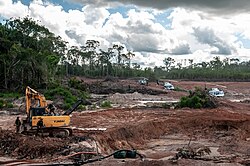
Driven by an insatiable global demand for raw materials, land grabbing, and the need for cattle pasture, illegal logging is a primary catalyst for severe environmental crises. It accelerates deforestation, triggers soil erosion, and causes massive biodiversity loss, all of which contribute to larger-scale global issues such as climate change.
Key Facts
- Global Scale: Interpol estimates that 10 million hectares of forest are lost annually to illegal logging.
- Economic Value: The illicit wood sector is valued at nearly $152 billion per year.
- Consumer Impact: Up to one-third of all wood furniture globally is made from illegally sourced timber.
- Financial Loss: The World Bank estimates that timber-producing countries lose between 10 and 15 billion euros annually.
- Regional Severity: In some South American countries like Bolivia and Peru, illegal logging is estimated to constitute 80% of all logging activities.
Regional Analysis of Illegal Logging
Africa
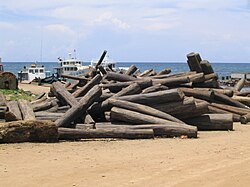
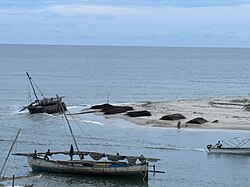
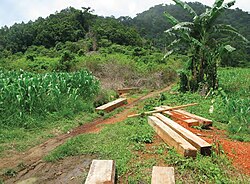
In Madagascar, extreme poverty and government corruption have fueled a decades-long crisis. The trade focuses on selective logging of high-value, fine-grained hardwoods like rosewood and ebony. Despite a 2000 ban on logging rare hardwoods in protected areas, "timber barons" exploit oscillating government policies to stockpile logs during bans and flood the market when export windows open. Between 2010 and 2015, over 350,000 trees were illegally felled in Madagascar.
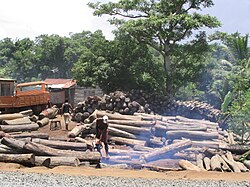
In Nigeria, indiscriminate logging for fuel wood and commercial timber has decimated forest reserves. Once covering 20% of the land area, natural forests have dwindled to approximately 10%. The Federal Department of Forestry estimated a depletion rate of 3.5% annually, leading to increased greenhouse gases, ecological imbalance, and frequent flooding.
Southeast Asia
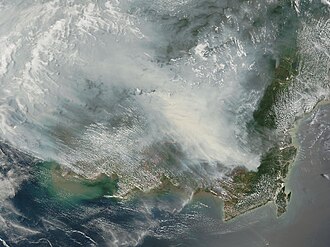
Indonesia faces significant challenges with forest conversion. A 2007 UN report estimated that 73% to 88% of timber logged in the country was illegal. More recent data suggests that 81% of forest conversion for palm oil was illegal, with the Supreme Audit Agency finding that fewer than 20% of palm oil operations complied with national laws.
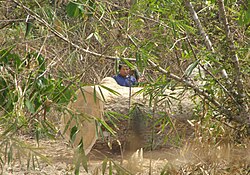
Thailand also struggles with the poaching of Siamese Rosewood, which is often described as being more valuable than gold. Illegal logging continues to persist even in protected districts such as Mae Wang in Chiang Mai Province.
The region's illegal trade often involves complex transit routes, with Malaysia serving as a key transit hub for illegal Indonesian wood products. High-profile cases include the company Korindo, which was found to be sourcing illegal timber from the Tanjung Puting National Park, a critical orangutan refuge and UN world biosphere reserve.
Other Global Hotspots
Illegal logging is pervasive in South America and the Philippines. In the Philippines, a senate committee estimated losses of $1.8 billion per year during the 1980s. In Brazil, environmental police (IBAMA) continue to fight logging within Indigenous territories.
Economic and Environmental Consequences
The impact of illegal logging is measured both in financial loss and ecological destruction. When forests are removed illegally, the land loses its ability to regulate temperature and prevent erosion, leading to crop failure and increased atmospheric carbon.
| Region/Entity | Estimated Loss or Rate | Context/Period |
|---|---|---|
| World Bank (Global) | 10–15 Billion Euros/Year | Loss to timber-producing countries |
| Indonesia | $3 Billion/Year | Government estimate (2002) |
| Philippines | $1.8 Billion/Year | Senate estimate (1980s) |
| Bolivia & Peru | 80% of operations | Estimated illegal activity rate |
| Liberia | 80% of logging | WWF estimate (2002) |
Global Mitigation and Legal Frameworks
Efforts to combat illegal logging focus on both the supply side (enforcement) and the demand side (trade regulation).
International Governance
- North and East Asia: Ministerial conferences (ENA FLEG and EA FLEG) have been held in Russia and Indonesia to coordinate forest law enforcement and governance.
- European Union: The EU Forest Law Enforcement, Governance and Trade (EU FLEGT) Action Plan uses Voluntary Partnership Agreements with producing countries. The 2010 EU Timber Regulation requires traders to exercise "due diligence" before placing timber on the market.
- United States: The Lacey Act was amended in 2008 to expand protections to a broader range of plants and plant products, making it illegal to trade in wildlife or plants taken in violation of any law.
Frequently Asked Questions
What is wood laundering?
Wood laundering is the process of making illegally harvested timber appear legal. This is typically achieved through fraudulent customs declarations, the use of fake certifications, or the avoidance of taxes and charges during transport and export.
How does illegal logging contribute to climate change?
Illegal logging leads to widespread deforestation, which removes critical carbon sinks. This results in an increase of greenhouse gases in the atmosphere and disrupts ecological balances, contributing to global warming.
Which species are most targeted by illegal loggers?
High-value, rare hardwoods are primary targets due to international demand. Examples include rosewood and ebony in Madagascar and Siamese Rosewood in Thailand.
What is the role of the Lacey Act in the US?
The Lacey Act is a US law that prohibits the trade of wildlife, fish, and plants that have been illegally taken, possessed, transported, or sold. The 2008 amendment specifically expanded these protections to combat illegal logging practices globally.
How much of the global furniture market is affected?
According to Interpol, up to one-third of all wood furniture worldwide is manufactured using illegally sourced timber.